
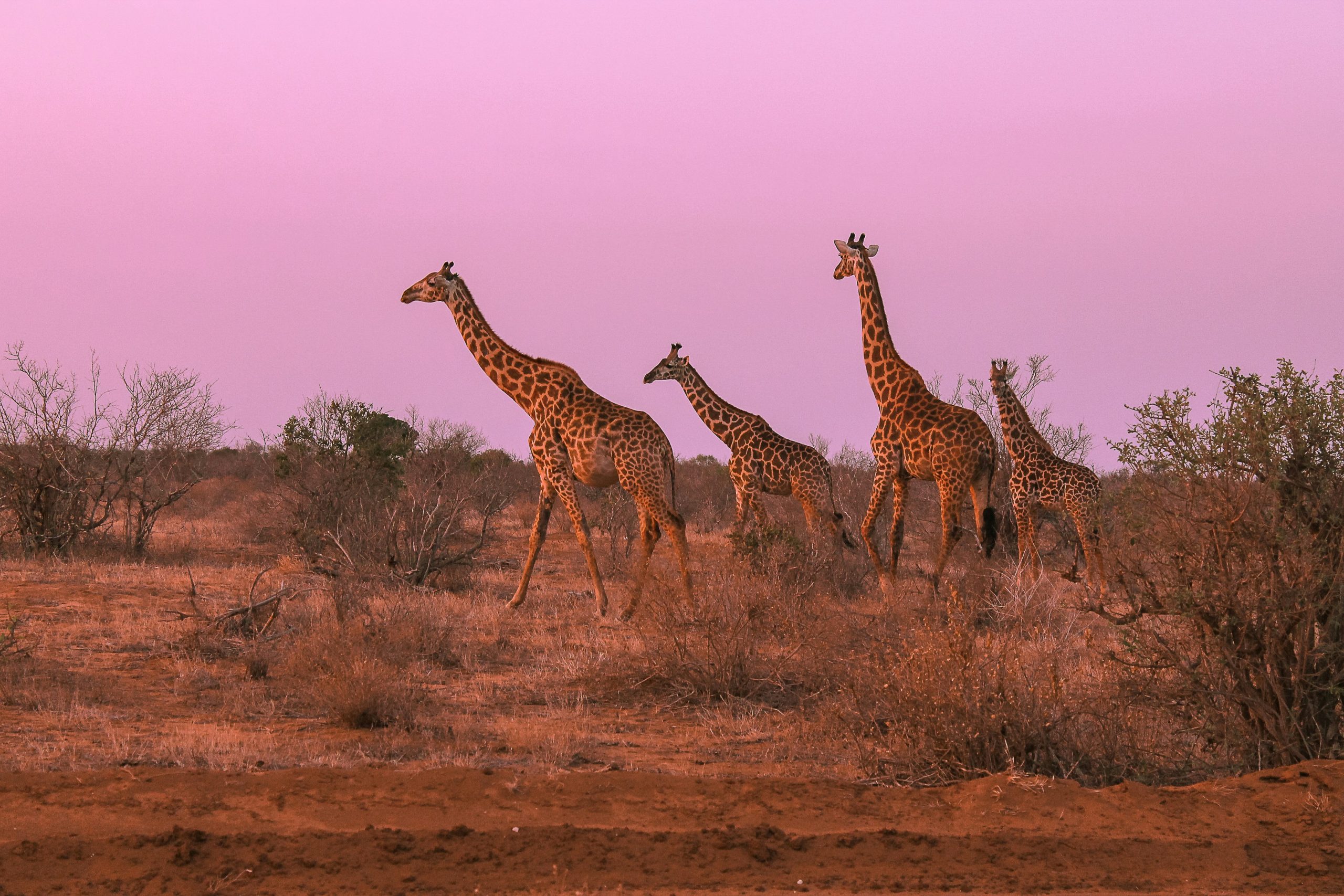
Photography Safari in Kenya
Photography Safari in Kenya
The Ultimate Guide to a Photography Safari in Kenya: Capture the Wild Like Never Before
Introduction
Embarking on a photography safari in Kenya is more than just a travel experience—it’s a journey into the heart of Africa where every moment is a frame-worthy masterpiece. From the golden savannahs of the Maasai Mara to the snow-capped peaks of Mount Kenya, this East African gem offers an unparalleled canvas for both amateur and professional photographers.
In this comprehensive guide, we’ll explore everything you need to know to plan the perfect photographic expedition in Kenya. From the best locations and seasons to gear recommendations and ethical considerations, this article is your one-stop resource for capturing the raw beauty of Kenya’s wildlife and landscapes.
Why Choose Kenya for a Photography Safari?
Kenya is a dream destination for wildlife photographers. Its diverse ecosystems, rich wildlife population, and iconic landscapes make it a top-tier location for capturing stunning imagery.
Key Reasons to Choose Kenya:
- Diverse Wildlife: Home to the Big Five—lion, leopard, rhinoceros, elephant, and Cape buffalo.
- Varied Landscapes: From the Great Rift Valley to lush forests and arid deserts.
- Cultural Richness: Interact with indigenous communities like the Maasai and Samburu.
- Photographer-Friendly Lodges: Many lodges cater specifically to photographers with specialized vehicles and guides.
For more on the Big Five, check out this detailed overview.
Best Locations for a Photography Safari in Kenya
1. Maasai Mara National Reserve
Arguably the most famous safari destination in Kenya, the Maasai Mara offers golden light, open plains, and an abundance of wildlife. It’s especially renowned for the Great Migration, where over two million wildebeest, zebras, and gazelles cross the Mara River.
Highlights:
- Big cat sightings (lions, cheetahs, leopards)
- Balloon safaris for aerial photography
- Dramatic predator-prey interactions
2. Amboseli National Park
Set against the backdrop of Mount Kilimanjaro, Amboseli is the place to photograph majestic elephants with snow-capped peaks in the background.
Highlights:
- Large elephant herds
- Swamp areas attracting diverse birdlife
- Stunning sunrise and sunset shots
3. Samburu National Reserve
Located in northern Kenya, Samburu is less crowded and offers unique species not found in the southern parks.
Highlights:
- Grevy’s zebra, reticulated giraffe, Somali ostrich
- Rugged terrain and Ewaso Nyiro River
- Rich cultural interactions with Samburu tribes
4. Lake Nakuru National Park
A paradise for bird photographers, Lake Nakuru is known for its flamingo population and rhino sanctuary.
Highlights:
- Thousands of flamingos
- Black and white rhinos
- Acacia woodland and waterfalls
5. Tsavo National Parks (East & West)
Covering over 20,000 square kilometers, Tsavo is Kenya’s largest park and offers a more rugged, off-the-beaten-path experience.
Highlights:
- Red elephants (coated in the park’s red soil)
- Lava flows and volcanic landscapes
- Lesser-known wildlife encounters
Best Time for a Photography Safari in Kenya
Timing is crucial for a successful photographic safari. Kenya’s climate varies by region, but generally, the best times are during the dry seasons.
Optimal Safari Seasons:
- June to October: Dry season, best for wildlife viewing and the Great Migration.
- January to February: Short dry season, excellent light and visibility.
- March to May: Long rains, fewer tourists, lush landscapes but challenging conditions.
Month-by-Month Breakdown:
| Month | Conditions | Highlights |
|---|---|---|
| January | Dry, hot | Calving season, predator activity |
| February | Dry, clear skies | Great for bird photography |
| March-May | Wet, green | Dramatic skies, fewer crowds |
| June | Start of dry season | Wildlife congregates around water |
| July-August | Peak migration | Iconic river crossings |
| September | Dry, golden light | Excellent for landscape shots |
| October | End of migration | Predator-prey interactions |
| November | Short rains | Lush scenery, migratory birds arrive |
| December | Green, festive season | Great lighting, cultural festivals |
Essential Photography Gear for a Kenyan Safari
Packing the right equipment is key to capturing the magic of Kenya.
Camera Bodies
- DSLR or Mirrorless: Full-frame cameras like the Canon EOS R5 or Nikon Z9 offer excellent dynamic range.
- Backup Camera: Always carry a second body in case of failure.
Lenses
- Telephoto (200-600mm): For wildlife close-ups.
- Wide-angle (16-35mm): For landscapes and lodge photography.
- Standard Zoom (24-70mm): Versatile for general use.
Accessories
- Extra batteries and memory cards
- Lens cleaning kit
- Bean bag or monopod for stability
- Rain covers for gear
- Portable hard drive for backups
For a complete gear checklist, visit this photography safari packing guide.
Tips for Capturing Stunning Safari Images
1. Understand Animal Behavior
Knowing when and how animals behave helps you anticipate the perfect shot.
2. Use Natural Light
Golden hours (sunrise and sunset) offer the best lighting conditions.
3. Patience is Key
Wait for the moment. Great shots often require time and stillness.
4. Focus on Composition
- Use the rule of thirds
- Include foreground elements
- Capture eye contact with animals
5. Shoot in RAW
Allows for better post-processing flexibility.
Ethical Considerations for Wildlife Photography
Respect for nature is paramount. Here’s how to ensure your photography is ethical:
- Never disturb wildlife for a shot.
- Avoid flash photography.
- Stay inside vehicles unless guided otherwise.
- Support eco-conscious lodges and guides.
- Do not geotag endangered species locations.
For more, refer to the Ethical Wildlife Photography Guidelines.
Cultural Photography in Kenya
Kenya’s rich cultural tapestry is as photogenic as its wildlife.
Key Communities to Photograph:
- Maasai: Known for their vibrant attire and traditional dances.
- Samburu: Semi-nomadic tribe with unique customs.
- Swahili Coast: Blend of African, Arab, and Indian influences.
Always ask for permission before photographing people and offer to share images if possible.
Where to Stay: Photographer-Friendly Lodges
Many lodges in Kenya cater specifically to photographers.
Top Picks:
- Governors’ Camp (Maasai Mara): Custom vehicles with camera mounts.
- Elephant Bedroom Camp (Samburu): Excellent lighting and close wildlife.
- Tortilis Camp (Amboseli): Stunning views of Kilimanjaro.
- Lewa Safari Camp: Exclusive access to the Lewa Conservancy.
Travel Logistics and Safety
Visas and Vaccinations
- Visa: Apply online via eVisa Kenya.
- Vaccinations: Yellow fever, typhoid, hepatitis A & B, malaria prophylaxis.
Transportation
- Fly-in Safaris: Quick and scenic.
- Road Transfers: More affordable, but time-consuming.
Safety Tips
- Use reputable tour operators.
- Avoid isolated areas at night.
- Keep valuables secure.
Post-Processing and Sharing Your Work
Editing enhances your images, but subtlety is key.
Recommended Software
- Adobe Lightroom
- Capture One
- Luminar Neo
Sharing Platforms
Frequently Asked Questions (FAQ)
1. What is the best time to go on a photography safari in Kenya?
The best time is during the dry seasons—June to October and January to February—when wildlife is easier to spot and lighting conditions are ideal. Learn more about Kenya’s climate.
2. Do I need a professional camera for a safari?
While a professional camera enhances image quality, many modern smartphones and bridge cameras can also capture stunning images. Check out this guide to safari photography gear.
3. Can I photograph people in Kenya?
Yes, but always ask for permission first. Many communities appreciate respectful interaction and may request a small fee or copy of the photo.
4. How do I protect my gear from dust and weather?
Use rain covers, ziplock bags, and padded camera bags. A lens cleaning kit is essential.
5. Are drones allowed in Kenyan national parks?
No. Drones are generally prohibited in Kenyan parks unless you have special permits from the Kenya Civil Aviation Authority. Read the drone regulations here.
Conclusion
A photography safari in Kenya is a transformative experience that combines adventure, artistry, and a deep connection with nature. Whether you’re capturing the thunderous hooves of the Great Migration or the serene gaze of a lion at dusk, Kenya offers endless opportunities for breathtaking imagery.
With the right preparation, ethical mindset, and creative eye, your Kenyan safari can yield not just photographs—but stories that last a lifetime.