
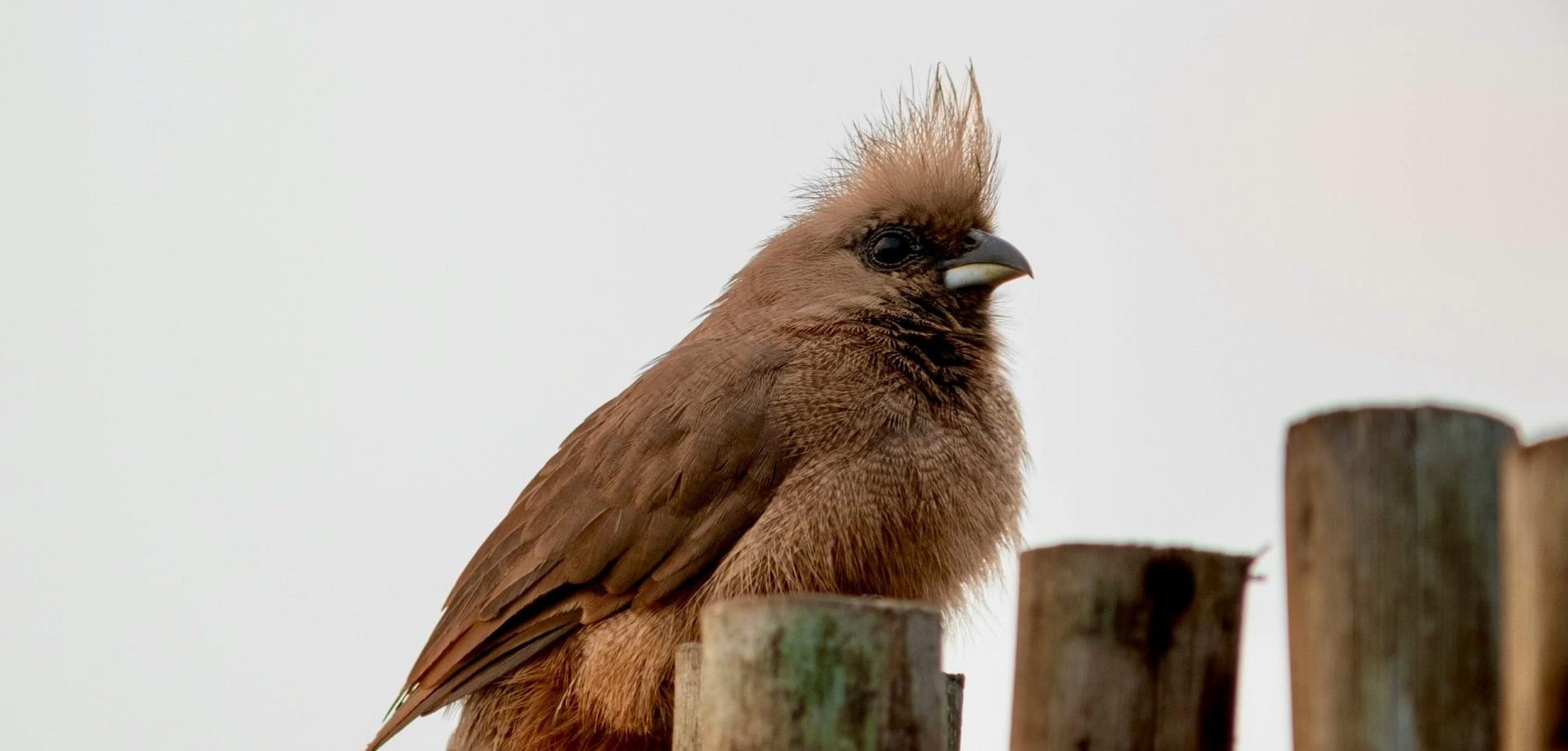
Speckled Mousebird
Speckled Mousebird
The Speckled Mousebird: Nature’s Subtle Acrobat of the African Skies
Introduction to the Speckled Mousebird
The Speckled Mousebird (Colius striatus), a charming and often overlooked avian species, is a fascinating subject for ornithologists and nature enthusiasts alike. Native to sub-Saharan Africa, this bird is a member of the Coliidae family, which is endemic to the continent. Despite its modest appearance, the Speckled Mousebird plays a significant role in its ecosystem, showcasing unique behaviors and adaptations that make it a standout among African birds.
In this comprehensive guide, we will delve into the biology, habitat, behavior, and ecological importance of the Speckled Mousebird. We will also explore its role in African cultures, its interactions with other species, and the conservation efforts aimed at preserving its natural habitat.
Physical Characteristics
The Speckled Mousebird is aptly named for its mouse-like appearance and behavior. It measures approximately 34 cm in length, including its long, graduated tail, which accounts for more than half its body length.
Key Features:
- Coloration: Soft brownish-grey plumage with subtle speckling on the underparts.
- Tail: Exceptionally long and narrow, aiding in balance and maneuverability.
- Crest: A small, erectile crest on the head gives it a distinctive silhouette.
- Feet: Zygodactyl feet (two toes forward, two backward) allow for excellent climbing and perching.
- Beak: Short, curved beak adapted for a frugivorous diet.
This bird’s muted coloration helps it blend seamlessly into the dry woodlands and scrublands it inhabits, offering protection from predators.
Habitat and Distribution
The Speckled Mousebird is widely distributed across sub-Saharan Africa, from Senegal in the west to Ethiopia in the east, and down to South Africa in the south.
Preferred Habitats:
- Savannas
- Woodlands
- Scrublands
- Suburban gardens and orchards
Unlike many birds, the Speckled Mousebird adapts well to human-altered environments, often seen in gardens and farmlands where fruit-bearing trees are present.
For a detailed map of its distribution, visit BirdLife International.
Behavior and Social Structure
One of the most intriguing aspects of the Speckled Mousebird is its highly social nature. These birds are rarely seen alone and typically move in small flocks of 6 to 20 individuals.
Social Behaviors:
- Communal Roosting: Up to 30 birds may huddle together at night for warmth and protection.
- Allopreening: Mutual grooming strengthens social bonds.
- Cooperative Breeding: Non-breeding individuals often help raise the young.
Their acrobatic movements through trees resemble those of rodents, hence the name “mousebird.” They climb and hang upside down with remarkable agility, often using their tails for support.
Diet and Foraging Habits
The Speckled Mousebird is primarily frugivorous, feeding on a wide variety of fruits, berries, and buds. However, it also consumes leaves, flowers, and occasionally insects.
Common Food Sources:
- Figs
- Guavas
- Mulberries
- Acacia pods
- Nectar-producing flowers
They forage throughout the day, often in groups, and are known to strip trees of fruit quickly. Their digestive system is uniquely adapted to process high-fiber plant material efficiently.
For more on bird diets, check out The Cornell Lab of Ornithology.
Breeding and Reproduction
Breeding occurs year-round in some regions, with peaks during the rainy season when food is abundant.
Reproductive Traits:
- Nesting: Cup-shaped nests made of twigs, leaves, and feathers, usually built in dense foliage.
- Clutch Size: 2 to 4 eggs per clutch.
- Incubation: Lasts about 14 days.
- Fledging: Chicks leave the nest approximately 17 days after hatching.
Both parents, along with helpers, participate in feeding and protecting the young, a behavior known as cooperative breeding.
Ecological Importance
Despite their small size, Speckled Mousebirds play a crucial role in their ecosystems.
Contributions to the Environment:
- Seed Dispersal: By consuming fruits and excreting seeds, they aid in plant propagation.
- Pollination: Feeding on nectar helps pollinate various flowering plants.
- Pest Control: Occasionally consume insects, contributing to natural pest management.
Their presence indicates a healthy, biodiverse environment, making them valuable bioindicators.
Threats and Conservation
Currently, the Speckled Mousebird is listed as a species of “Least Concern” by the IUCN Red List, thanks to its wide distribution and stable population.
Potential Threats:
- Habitat Loss: Due to urbanization and agricultural expansion.
- Climate Change: Alters food availability and breeding patterns.
- Pesticide Use: Affects food sources and health.
Conservation Strategies:
- Habitat Preservation: Protecting native woodlands and fruit-bearing trees.
- Public Awareness: Educating communities about the ecological role of mousebirds.
- Sustainable Agriculture: Encouraging organic farming practices.
Organizations like BirdLife Africa are actively involved in these efforts.
Cultural Significance
In various African cultures, birds are often seen as messengers or symbols of the spirit world. While the Speckled Mousebird is not as prominent in folklore as some raptors or songbirds, its presence in gardens and farms has earned it a place in local narratives.
Cultural Roles:
- Symbol of Fertility: Due to its fruit-eating habits and communal breeding.
- Good Omen: Sightings are sometimes associated with prosperity and good harvests.
- Children’s Stories: Often featured in tales teaching cooperation and family values.
Interesting Facts
- The Speckled Mousebird can enter a state of torpor to conserve energy during cold nights.
- It is one of the few bird species that can digest cellulose, thanks to specialized gut bacteria.
- Unlike most birds, it drinks water by sucking rather than scooping.
- Its tail acts as a fifth limb, aiding in climbing and balance.
- It has a unique call, a soft “tsee-tsee,” used for communication within flocks.
FAQ
1. What does the Speckled Mousebird eat?
The Speckled Mousebird primarily feeds on fruits, berries, leaves, and flowers. It occasionally consumes insects and nectar, making it an important seed disperser and pollinator. Learn more about bird diets.
2. Where can I find Speckled Mousebirds?
They are found across sub-Saharan Africa, especially in savannas, woodlands, and suburban gardens. For a detailed range map, visit BirdLife International.
3. Are Speckled Mousebirds endangered?
No, they are currently classified as “Least Concern” by the IUCN Red List, thanks to their adaptability and wide distribution.
4. Do Speckled Mousebirds migrate?
No, they are non-migratory and tend to remain in their home range year-round, although they may move locally in search of food.
5. How do Speckled Mousebirds communicate?
They use a variety of soft calls and chirps to maintain contact within flocks. These vocalizations help coordinate group movements and alert others to danger.
Conclusion
The Speckled Mousebird may not boast the vibrant plumage of tropical parrots or the majestic wingspan of raptors, but its ecological significance, social behaviors, and adaptability make it a marvel of the avian world. As a vital player in seed dispersal and pollination, it contributes immensely to the health of African ecosystems.
By learning more about this understated bird, we gain not only a deeper appreciation for biodiversity but also a clearer understanding of the intricate web of life that sustains our planet. Protecting species like the Speckled Mousebird ensures that future generations can continue to marvel at the subtle wonders of nature.