
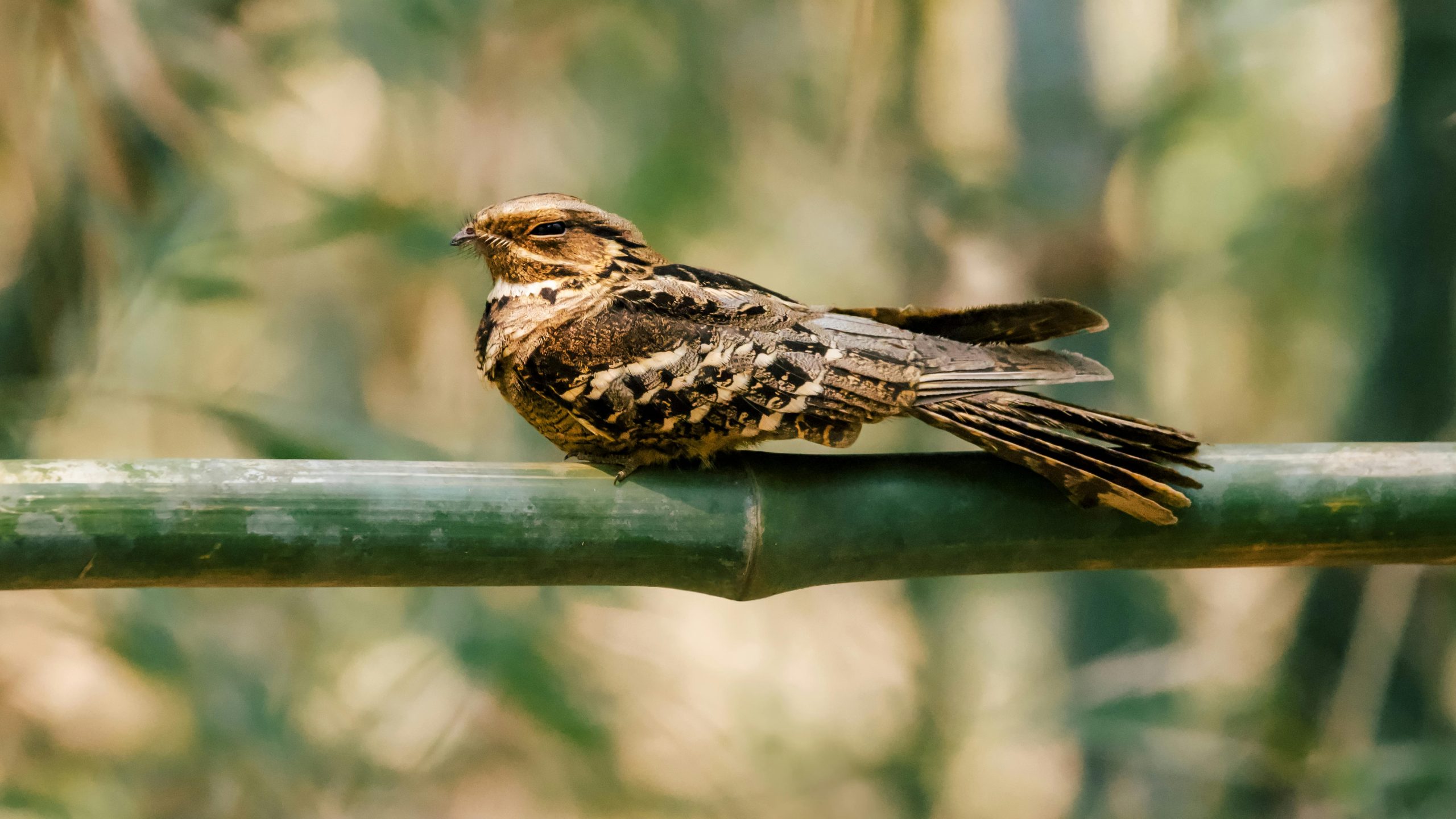
Standard-Winged Nightjar
Standard-Winged Nightjar
The Standard-Winged Nightjar: A Nocturnal Marvel of the African Skies
The Standard-Winged Nightjar (Caprimulgus longipennis) is a captivating and elusive bird species that graces the twilight skies of sub-Saharan Africa. Known for its extraordinary wing morphology and cryptic plumage, this nocturnal aviator has fascinated ornithologists, birdwatchers, and nature enthusiasts alike. In this comprehensive guide, we delve into the intricate world of this remarkable bird, exploring its habitat, behavior, physical characteristics, and ecological significance.
Introduction to the Standard-Winged Nightjar
The Standard-Winged Nightjar is a member of the Caprimulgidae family, a group of birds commonly referred to as nightjars or goatsuckers. These birds are predominantly nocturnal and are renowned for their silent flight, mottled plumage, and insectivorous diet. The species is named for the male’s spectacular wing feathers, which extend far beyond the tail during the breeding season, resembling standards or banners.
Taxonomy and Classification
- Kingdom: Animalia
- Phylum: Chordata
- Class: Aves
- Order: Caprimulgiformes
- Family: Caprimulgidae
- Genus: Caprimulgus
- Species: C. longipennis
The species was first described in 1831 by William Swainson, a British ornithologist. The genus name “Caprimulgus” translates to “goat-milker,” a reference to ancient myths surrounding nightjars.
Physical Characteristics
The Standard-Winged Nightjar is a medium-sized bird, measuring approximately 20–25 cm in length, excluding the elongated wing feathers of the male. Its plumage is a complex mosaic of browns, grays, and blacks, providing exceptional camouflage against the savanna floor.
Key Features:
- Cryptic Plumage: Ideal for blending into dry grasslands and leaf litter.
- Large Eyes: Adapted for excellent night vision.
- Wide Gape: Facilitates catching insects mid-flight.
- Short Legs: Designed for perching and minimal terrestrial movement.
Unique Wing Morphology
One of the most striking features of the male Standard-Winged Nightjar is its elongated second primary feather, which can extend up to 38 cm during the breeding season. These “standards” are not used for flight but serve as ornamental displays to attract females.
Functions of the Extended Feathers:
- Sexual Selection: Males with longer standards are often more successful in attracting mates.
- Visual Displays: Used in aerial courtship rituals.
- Species Identification: Helps differentiate from similar species like the Pennant-winged Nightjar.
Habitat and Distribution
The Standard-Winged Nightjar inhabits a wide range of dry savannas, open woodlands, and scrublands across sub-Saharan Africa. It is particularly prevalent in the Sahel region, stretching from Senegal in the west to Ethiopia in the east.
Countries of Occurrence:
- Nigeria
- Chad
- Sudan
- Mali
- Ethiopia
- Burkina Faso
- Niger
These birds are migratory, often moving southward during the dry season in search of food and breeding grounds.
Behavior and Lifestyle
This nocturnal bird is most active during dusk and dawn, a behavior known as crepuscular activity. During the day, it remains motionless on the ground, relying on its camouflage to avoid predators.
Behavioral Traits:
- Silent Flight: Aids in stealthy hunting.
- Ground Roosting: Prefers to rest on bare ground or leaf litter.
- Territorial Displays: Males perform elaborate flight routines to defend territory and attract mates.
Feeding Habits
The Standard-Winged Nightjar is an insectivore, feeding primarily on flying insects such as moths, beetles, and termites. It employs a sit-and-wait strategy, launching from a perch or the ground to snatch prey mid-air.
Diet Includes:
- Moths
- Beetles
- Termites
- Grasshoppers
- Flying ants
Its wide gape and bristle-lined mouth help funnel insects into its throat during flight, a common trait among nightjars.
Breeding and Reproduction
Breeding typically coincides with the rainy season when insect populations are at their peak. Males use their elongated wing feathers in elaborate aerial displays to court females.
Reproductive Cycle:
- Nesting: No nest is built; eggs are laid directly on the ground.
- Clutch Size: Usually 1–2 eggs.
- Incubation: Lasts approximately 18–20 days.
- Parental Care: Both parents may be involved in guarding and feeding the chicks.
The chicks are precocial, meaning they are relatively mature and mobile shortly after hatching.
Conservation Status
According to the IUCN Red List, the Standard-Winged Nightjar is currently listed as Least Concern. However, habitat degradation due to agriculture, deforestation, and climate change poses potential threats to its population.
Conservation Measures:
- Protected Areas: Presence in national parks and reserves.
- Habitat Monitoring: Ongoing research to track population trends.
- Community Engagement: Educating local communities about the ecological role of nightjars.
Cultural and Ecological Importance
In many African cultures, nightjars are surrounded by myth and folklore. Some believe they are omens, while others see them as guardians of the night. Ecologically, they play a vital role in controlling insect populations, making them essential components of their ecosystems.
Ecological Roles:
- Pest Control: Natural predators of agricultural pests.
- Food Web Support: Prey for larger nocturnal predators like owls and snakes.
- Biodiversity Indicators: Presence indicates a healthy insect population and balanced ecosystem.
How to Spot a Standard-Winged Nightjar
Spotting a Standard-Winged Nightjar requires patience, timing, and a keen eye. Their cryptic plumage makes them nearly invisible during the day.
Birdwatching Tips:
- Best Time: Dusk or dawn.
- Preferred Locations: Open savannas, near termite mounds or waterholes.
- Equipment: Binoculars with night vision or thermal imaging.
- Behavioral Cues: Listen for their soft, repetitive calls or watch for their fluttering flight patterns.
FAQs
1. What makes the Standard-Winged Nightjar unique among nightjars?
The male’s elongated wing feathers, which resemble banners, are a distinctive feature not found in most other nightjar species. These feathers are used in courtship displays and can reach up to 38 cm in length.
2. Where can I find the Standard-Winged Nightjar?
They are commonly found across the dry savannas of sub-Saharan Africa, particularly in countries like Nigeria, Sudan, and Ethiopia. Look for them during the rainy season when they are most active.
3. Is the Standard-Winged Nightjar endangered?
No, it is currently listed as Least Concern by the IUCN. However, habitat loss and environmental changes could pose future threats.
4. What do Standard-Winged Nightjars eat?
They primarily feed on flying insects such as moths, beetles, and termites. Their wide mouths and bristles help them catch prey mid-flight.
5. How can I help in conserving this species?
Support local conservation efforts, avoid disturbing their habitats, and participate in citizen science projects that monitor bird populations.
Conclusion
The Standard-Winged Nightjar is a testament to the wonders of avian evolution and adaptation. From its mesmerizing courtship displays to its silent, graceful flight, this bird embodies the mystery and beauty of the nocturnal world. As we continue to explore and understand its role in the ecosystem, it becomes increasingly clear that protecting such species is not just about conservation—it’s about preserving the intricate balance of nature itself.
Whether you’re an ornithologist, a casual birdwatcher, or simply a lover of nature, the Standard-Winged Nightjar offers a glimpse into a world that thrives under the cover of darkness, reminding us that some of the most extraordinary creatures are those that remain hidden in plain sight.