
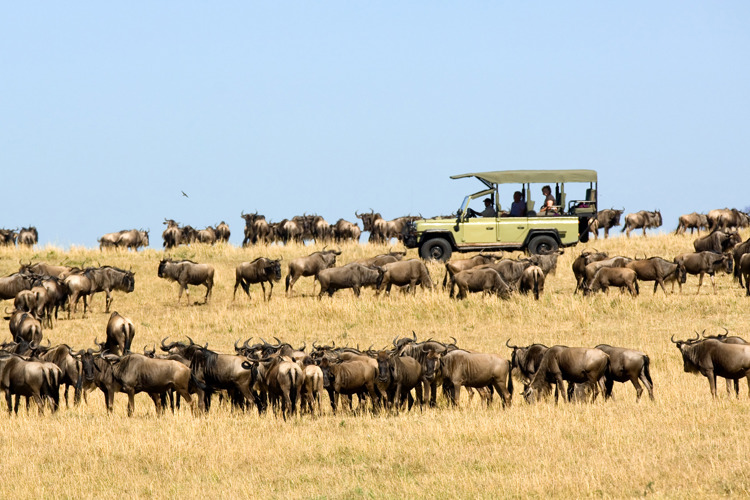
Tanzania Wildlife Migration
Tanzania Wildlife Migration
Tanzania Wildlife Migration: A Journey Through Nature’s Greatest Spectacle
Introduction
Tanzania is home to one of the most breathtaking natural phenomena on Earth—the Great Wildlife Migration. Every year, millions of animals, including wildebeest, zebras, and gazelles, embark on an epic journey across the Serengeti and Mara ecosystems. This migration is not only a marvel of nature but also a crucial event for the survival of many species. It is a cycle of life, death, and rebirth that has fascinated researchers, tourists, and wildlife enthusiasts for decades.
In this article, we will explore the intricate details of the Tanzania wildlife migration, its significance, and how it impacts the ecosystem. We will also delve into the best times and places to witness this awe-inspiring event, along with some frequently asked questions (FAQ) to help you plan your visit.
The Great Migration: A Natural Phenomenon
The Great Migration is often referred to as the “world’s largest terrestrial migration.” It involves over 1.5 million wildebeest, 200,000 zebras, and hundreds of thousands of other herbivores moving in a circular pattern across the Serengeti in Tanzania and the Maasai Mara in Kenya. This journey is driven by the search for fresh grazing land and water, as well as the need to escape predators.
Key Phases of the Migration
The migration follows a predictable pattern, although the exact timing can vary slightly due to weather conditions. Here are the main phases of the migration:
- Calving Season (January to March): During this period, the herds gather in the southern Serengeti, where the grass is lush and green. This is the time when most of the wildebeest give birth, with around 500,000 calves born within a few weeks. The abundance of newborns attracts predators like lions, cheetahs, and hyenas, making this a dramatic and dangerous time for the herds.
- The Move North (April to June): As the dry season begins, the herds start moving northward in search of greener pastures. They pass through the central Serengeti, where they face challenges such as crossing rivers and avoiding predators.
- River Crossings (July to September): One of the most iconic moments of the migration is the crossing of the Grumeti and Mara Rivers. This is a perilous journey, as the rivers are filled with crocodiles waiting to prey on the animals. The sight of thousands of wildebeest and zebras plunging into the water is both thrilling and terrifying.
- The Return South (October to December): After crossing into the Maasai Mara, the herds eventually make their way back to the Serengeti as the rains return. The cycle begins anew, with the animals once again seeking the lush grasslands of the southern Serengeti.
The Role of Predators in the Migration
The Great Migration is not just about the herbivores. Predators play a crucial role in maintaining the balance of the ecosystem. Lions, leopards, cheetahs, hyenas, and crocodiles are all part of the migration story. These predators follow the herds, taking advantage of the abundance of prey.
Lions: The Kings of the Serengeti
Lions are the top predators in the Serengeti, and the migration provides them with a feast of opportunities. They often target the weak, young, or injured animals, ensuring that only the fittest survive. The presence of lions is a reminder of the harsh realities of life in the wild.
Crocodiles: The River Killers
The river crossings are perhaps the most dangerous part of the migration, and this is where crocodiles come into play. These ancient reptiles lie in wait, ready to strike as the animals attempt to cross the rivers. The sheer number of animals crossing at once means that some will inevitably fall victim to the crocodiles.
Cheetahs and Hyenas: Opportunistic Hunters
While lions and crocodiles are the most feared predators, cheetahs and hyenas also play a significant role in the migration. Cheetahs rely on their speed to catch prey, while hyenas use their cunning and teamwork to take down larger animals or scavenge from other predators.
The Importance of the Migration to the Ecosystem
The Great Migration is not just a spectacle for tourists; it is a vital part of the Serengeti ecosystem. The movement of millions of animals helps to maintain the balance of the grasslands. As the herds graze, they stimulate new growth, which in turn supports other species. The migration also helps to disperse seeds, promoting biodiversity.
The Impact on Local Communities
The migration is also important for the local communities that live in and around the Serengeti. Tourism generated by the migration provides jobs and income for many people. However, there are also challenges, such as human-wildlife conflict and the need to balance conservation with development.
Best Time to Witness the Migration
The Tanzania wildlife migration is a year-round event, but certain times of the year offer better opportunities to witness specific parts of the migration.
- January to March: This is the best time to see the calving season in the southern Serengeti. The landscape is lush, and the presence of newborn animals makes for exciting predator-prey interactions.
- June to August: The river crossings are the highlight of this period. If you want to witness the dramatic crossings of the Grumeti and Mara Rivers, this is the time to visit.
- October to December: As the herds return to the Serengeti, the landscape is once again transformed by the arrival of the rains. This is a quieter time to visit, with fewer tourists but still plenty of wildlife action.
How to Plan Your Trip
Planning a trip to witness the Great Migration requires careful consideration of timing, location, and logistics. Here are some tips to help you plan your journey:
- Choose the Right Time: As mentioned earlier, the migration is a year-round event, but the best time to visit depends on what part of the migration you want to see.
- Book Early: The migration is a popular event, and accommodations in the Serengeti and Maasai Mara can fill up quickly. It’s a good idea to book your trip well in advance.
- Consider a Guided Tour: A guided safari is the best way to experience the migration. Knowledgeable guides can take you to the best spots to witness the action and provide insights into the behavior of the animals.
- Pack Appropriately: The Serengeti can be hot during the day and cold at night, so be sure to pack layers. Don’t forget essentials like sunscreen, insect repellent, and a good camera.
FAQ: Tanzania Wildlife Migration
1. What is the best time to see the Great Migration in Tanzania?
The best time to see the migration depends on what part of the event you want to witness. For the calving season, visit between January and March. For the dramatic river crossings, plan your trip between June and August.
2. How long does the Great Migration last?
The migration is a year-round event, with the herds moving in a circular pattern across the Serengeti and Maasai Mara. However, the most dramatic moments, such as the river crossings, occur between June and August.
3. What animals are involved in the Great Migration?
The migration primarily involves wildebeest, zebras, and gazelles, but other animals such as elephants, giraffes, and predators like lions and cheetahs also play a role.
4. Is it safe to visit Tanzania during the migration?
Yes, it is safe to visit Tanzania during the migration. However, it’s important to follow the advice of your guides and take necessary precautions, such as staying in designated areas and avoiding close contact with wildlife.
5. How can I book a safari to see the migration?
You can book a safari through a reputable tour operator. Many operators offer packages that include accommodations, guided tours, and transportation. Be sure to book early, as the migration is a popular event.
Conclusion
The Tanzania wildlife migration is one of the most awe-inspiring natural events in the world. It is a testament to the resilience and adaptability of the animals that undertake this epic journey every year. Whether you’re a seasoned wildlife enthusiast or a first-time visitor, witnessing the migration is an experience you will never forget. From the dramatic river crossings to the tender moments of new life during the calving season, the migration offers something for everyone. So, start planning your trip today and prepare to be amazed by the wonders of the Serengeti.