
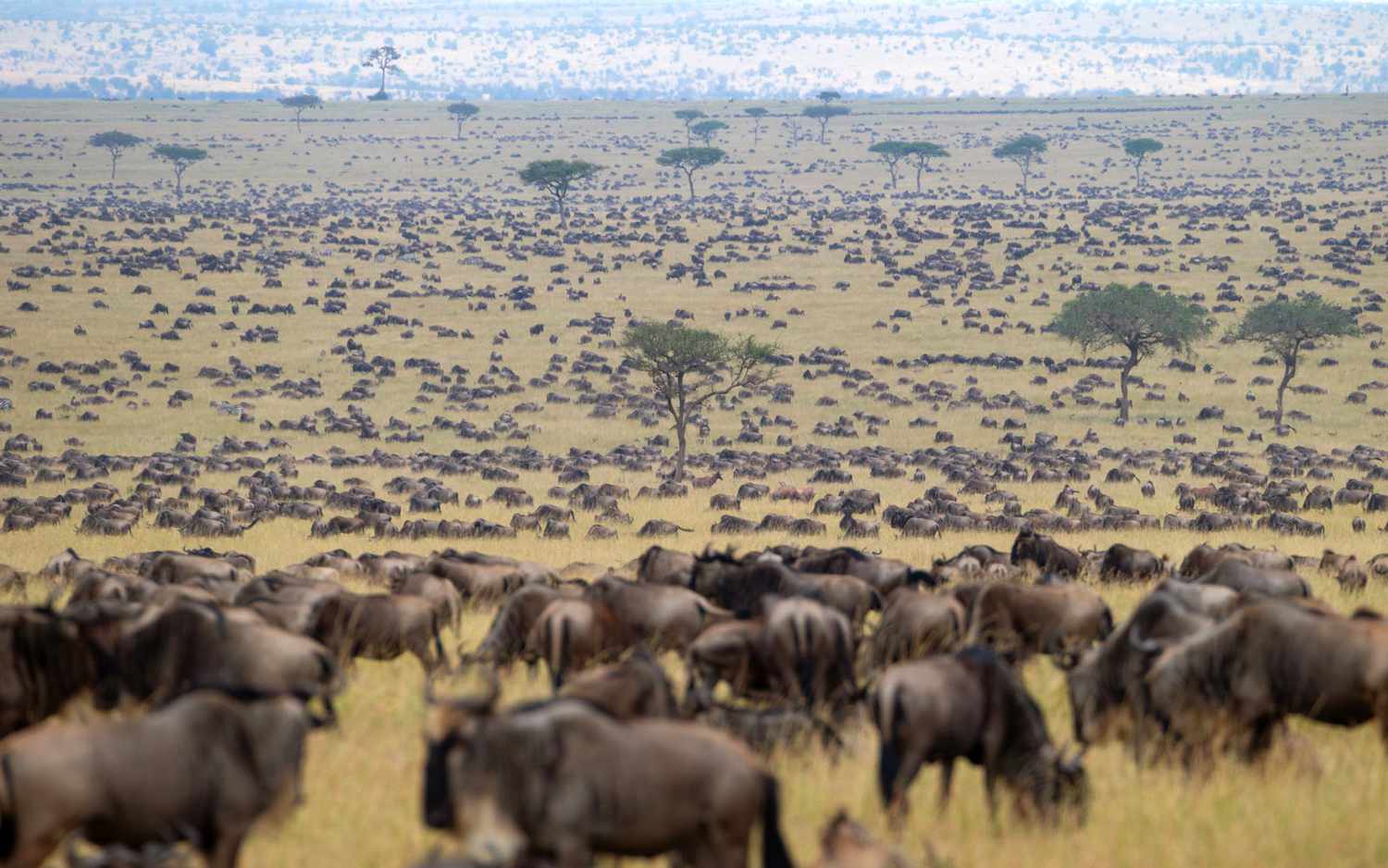
Kenya Wildlife Migration
Kenya Wildlife Migration
The Great Kenya Wildlife Migration: A Natural Wonder
Introduction to the Great Migration
The Great Migration is one of the most spectacular natural events on Earth, attracting thousands of tourists to Kenya each year. This awe-inspiring journey of millions of animals, primarily wildebeest, zebras, and gazelles, across the plains of East Africa is a sight to behold. The migration is a continuous cycle of movement, dictated by the search for fresh grazing and water, making it a true testament to the resilience and survival instincts of these animals.
Kenya, particularly the Maasai Mara National Reserve, is a key player in this epic journey. The reserve is renowned for being the stage where the most dramatic moments of the migration unfold, including the famous river crossings and the relentless pursuit by predators such as lions, cheetahs, and crocodiles.
In this article, we will delve deep into the details of the Kenya wildlife migration, exploring its significance, the best times to witness it, and the role Kenya plays in this extraordinary natural phenomenon.
The Cycle of the Great Migration
The Great Migration is a year-round event, but it is most famously associated with the dramatic river crossings in the Maasai Mara. The migration follows a circular route through Tanzania’s Serengeti and Kenya’s Maasai Mara, covering a distance of around 1,800 miles. The animals are constantly on the move, driven by the rains and the availability of fresh grazing land.
Key Stages of the Migration
- Calving Season (January – March): The migration begins in the southern Serengeti, where the wildebeest give birth to around 500,000 calves. This period is crucial for the survival of the species, as the young must quickly learn to keep up with the herd to avoid predators.
- The Journey North (April – June): As the dry season approaches, the herds begin their journey north, moving towards the Grumeti River in the western Serengeti. This is a dangerous time, as the animals must navigate through predator-rich areas.
- The Mara River Crossings (July – October): The most famous and dramatic part of the migration occurs when the herds reach the Mara River in Kenya. The river crossings are fraught with danger, as crocodiles lie in wait, and the strong currents can sweep away the weaker animals. This is the best time to witness the migration in Kenya, particularly in the Maasai Mara.
- Return to the Serengeti (November – December): After grazing in the Maasai Mara, the herds begin their journey back to the Serengeti, completing the cycle.
Why Kenya is the Best Place to Witness the Migration
While the migration spans both Tanzania and Kenya, the Maasai Mara is often considered the best place to witness the event. This is due to several factors:
- The Mara River Crossings: The river crossings in the Maasai Mara are the most dramatic and iconic moments of the migration. Watching thousands of wildebeest and zebras plunge into the river, risking their lives to reach the other side, is a once-in-a-lifetime experience.
- Abundance of Predators: The Maasai Mara is home to a large population of predators, including lions, cheetahs, and leopards. This makes it one of the best places to witness the predator-prey interactions that are a key part of the migration.
- Accessibility: Kenya’s tourism infrastructure is well-developed, making it easier for visitors to access the Maasai Mara and witness the migration. There are numerous luxury lodges, camping options, and safari tours available to suit all budgets.
Best Time to Visit Kenya for the Migration
The best time to visit Kenya to witness the Great Migration is between July and October. This is when the herds are in the Maasai Mara, and the river crossings are at their peak. However, it’s important to note that the exact timing of the migration can vary from year to year, depending on the rains.
Key Months to Consider:
- July: The herds begin arriving in the Maasai Mara, and the first river crossings occur.
- August – September: This is the peak of the migration, with the most dramatic river crossings happening during this time.
- October: The herds start to move back towards the Serengeti, but there are still opportunities to witness the migration in the Maasai Mara.
The Role of Conservation in the Migration
The Great Migration is not only a natural wonder but also a crucial part of the ecosystem in East Africa. The movement of millions of animals helps to maintain the balance of the savannah, as the grazing patterns of the herds prevent overgrowth and promote the regeneration of grasslands.
However, the migration faces several threats, including:
- Habitat Loss: Human encroachment and the expansion of agriculture and settlements are reducing the available grazing land for the herds.
- Climate Change: Changes in rainfall patterns due to climate change could disrupt the timing and routes of the migration, potentially leading to food shortages for the animals.
- Poaching: While poaching is less of a threat to the migration itself, it poses a significant risk to the predators that rely on the herds for food.
Conservation efforts in Kenya, such as the establishment of protected areas like the Maasai Mara and the promotion of sustainable tourism, are crucial in ensuring the survival of the migration for future generations.
How to Plan Your Safari to Witness the Migration
Planning a safari to witness the Great Migration requires careful consideration of several factors, including the timing, location, and type of safari experience you want. Here are some tips to help you plan your trip:
Choose the Right Time
As mentioned earlier, the best time to visit Kenya for the migration is between July and October. However, if you’re interested in seeing other aspects of the migration, such as the calving season or the journey north, you may want to visit at different times of the year.
Select the Right Accommodation
There are numerous accommodation options in the Maasai Mara, ranging from luxury lodges to budget-friendly campsites. Some of the most popular options include:
- Luxury Lodges: These offer the ultimate safari experience, with comfortable accommodations, gourmet meals, and guided game drives.
- Tented Camps: For a more authentic experience, consider staying in a tented camp. These camps offer a closer connection to nature while still providing essential amenities.
- Mobile Camps: These camps move with the migration, allowing you to stay close to the action as the herds move through the Maasai Mara.
Book a Guided Safari
While it’s possible to explore the Maasai Mara on your own, booking a guided safari is highly recommended. Experienced guides have in-depth knowledge of the migration patterns and can take you to the best spots to witness the action. Many safari companies also offer specialized migration safaris that focus on the river crossings and predator-prey interactions.
FAQs About the Kenya Wildlife Migration
1. What is the Great Migration?
The Great Migration is the annual movement of millions of wildebeest, zebras, and gazelles across the plains of East Africa, primarily between Tanzania’s Serengeti and Kenya’s Maasai Mara. The migration is driven by the search for fresh grazing and water.
2. When is the best time to witness the migration in Kenya?
The best time to witness the migration in Kenya is between July and October, when the herds are in the Maasai Mara and the dramatic river crossings occur.
3. What animals are involved in the migration?
The main animals involved in the migration are wildebeest, zebras, and gazelles. However, the migration also attracts a variety of predators, including lions, cheetahs, and crocodiles.
4. How long does the migration last?
The migration is a year-round event, but the most famous part of the migration, the river crossings in the Maasai Mara, typically occurs between July and October.
5. What are the main threats to the migration?
The main threats to the migration include habitat loss, climate change, and poaching. Conservation efforts are crucial in protecting the migration and the ecosystems it supports.
Conclusion
The Kenya wildlife migration is a breathtaking natural phenomenon that showcases the beauty and resilience of the animal kingdom. From the dramatic river crossings to the predator-prey interactions, every moment of the migration is a testament to the power of nature. By visiting Kenya and witnessing the migration firsthand, you not only experience one of the greatest wildlife spectacles on Earth but also contribute to the conservation efforts that are essential in preserving this incredible event for future generations.
For more information on planning your safari to witness the Great Migration, visit the official Maasai Mara National Reserve website or consult with a reputable safari tour operator.