
Travel Guides
Travel Guides
Travel Guides to Uganda: The Ultimate Expert Guide for First-Time & Returning Visitors.
Uganda is one of Africa’s most diverse and rewarding destinations often called the “Pearl of Africa” for good reason. From misty mountain forests where mountain gorillas live, to classic savannah parks packed with wildlife, to the Nile’s adventures and the warm hospitality of its people, Uganda offers an unusually complete travel experience in one country.
This Uganda travel guide is designed to help you plan confidently covering where to go, when to travel, what to pack, how to move around, how much to budget, and what to do for different travel styles.
Travel Guides Uganda: Plan a Safe, Scenic, and Unforgettable Journey
Uganda sits at a crossroads of ecosystems savannah, rainforest, wetlands, alpine mountains making it ideal for travelers who want wildlife, primates, culture, scenery, and adventure in a single itinerary. While neighboring destinations may be more famous for one highlight, Uganda’s strength is variety: gorilla trekking, chimp tracking, Big Five-style game drives, boat safaris, crater lakes, community encounters, and dramatic landscapes.
If you’re deciding where to start, a strong foundation is to think in terms of regions:
- Southwest Uganda: gorillas, crater lakes, scenic highlands, Bwindi & Mgahinga
- Western Rift Valley: Queen Elizabeth, Kibale (chimps), crater lakes, Kazinga Channel
- North: Murchison Falls, Nile cruises, wildlife, big landscapes
- East: Mount Elgon hiking, Sipi Falls, cultural experiences
- Central: Kampala/Entebbe logistics, Lake Victoria, cultural sites
For curated tour ideas and safari planning, you can browse itineraries and trip styles via Turkana Wildlife Safaris.
Why Visit Uganda? (Beyond the Gorilla Trek)
Uganda is often marketed for gorilla trekking and yes, it’s one of the world’s best places for it—but the country’s appeal is much broader.
Top reasons travelers choose Uganda
- Gorilla trekking in Bwindi Impenetrable Forest or Mgahinga
- Chimpanzee tracking in Kibale Forest (high success rates)
- Classic safaris in Queen Elizabeth and Murchison Falls National Parks
- Boat safaris (Kazinga Channel; Nile in Murchison)
- Remarkable birding (over 1,000 recorded species)
- Authentic cultural experiences (less commercialized than many destinations)
- Adventure travel (white-water rafting, hikes, waterfalls)
If you want a one-stop place to start exploring guided options, see Uganda safari tours and compare routes and trip lengths.
Best Time to Visit Uganda (Weather, Wildlife, and Trekking Conditions)
Uganda is equatorial, but climate varies by altitude and region. In general, it’s a year-round destination, though conditions change.
Dry seasons (best for trekking & road conditions)
- June to August
- December to February
These months typically bring:
- Better hiking trails for gorillas/chimps
- Easier road travel
- Reliable wildlife viewing around water sources
Wet seasons (lush landscapes + fewer crowds)
- March to May
- September to November
Advantages include:
- Greener scenery
- Better photography light after rains
- Often fewer visitors (sometimes better lodge availability)
Tip: Gorilla permits are limited; plan permits first, then build your itinerary around your confirmed dates.
Uganda’s Top Destinations (What to See and Why It’s Worth It)
Below is a practical breakdown of the most iconic and high-value places to include in a travel plan.
Bwindi Impenetrable National Park (Gorilla Trekking Capital)
Bwindi is one of the best places on Earth to see mountain gorillas in the wild. Trek difficulty ranges from moderate to challenging—forest trails can be steep and slippery, but the experience is unmatched.
What to expect
- Early start with briefing
- Treks can take 2–8 hours (sometimes more)
- One hour with gorillas once located
Helpful planning notes
- Porters are highly recommended (supports local employment and helps on slippery trails)
- Pack gloves, rain gear, and waterproof shoes
Explore organized gorilla safari options through Turkana Wildlife Safaris (ideal if you want logistics handled end-to-end).
Mgahinga Gorilla National Park (Gorillas + Golden Monkeys)
Mgahinga is smaller and often quieter than Bwindi, with spectacular volcanic scenery. It’s also the place for golden monkey tracking, a unique and very photogenic primate experience.
Best for:
- Travelers wanting fewer crowds
- Scenic treks with volcanic backdrops
- Combining gorillas + golden monkeys
Queen Elizabeth National Park (Game Drives + Kazinga Channel)
Queen Elizabeth is often Uganda’s “most balanced” safari park excellent wildlife variety plus one of Africa’s best boat safaris.
Highlights
- Kazinga Channel boat cruise: hippos, crocodiles, elephants, birds
- Ishasha sector: famous for tree-climbing lions
- Beautiful landscapes in the western rift valley
If you’re building a classic Uganda circuit, this park is a strong core stop.
Kibale Forest National Park (Chimpanzee Tracking)
Kibale is the premier place for chimpanzee trekking in Uganda. It’s also rich in other primates, and the nearby crater lakes area is perfect for relaxed downtime between activities.
Recommended add-ons:
- Bigodi Wetland Sanctuary walk (birds + community benefits)
- Crater lakes viewpoints and village visits
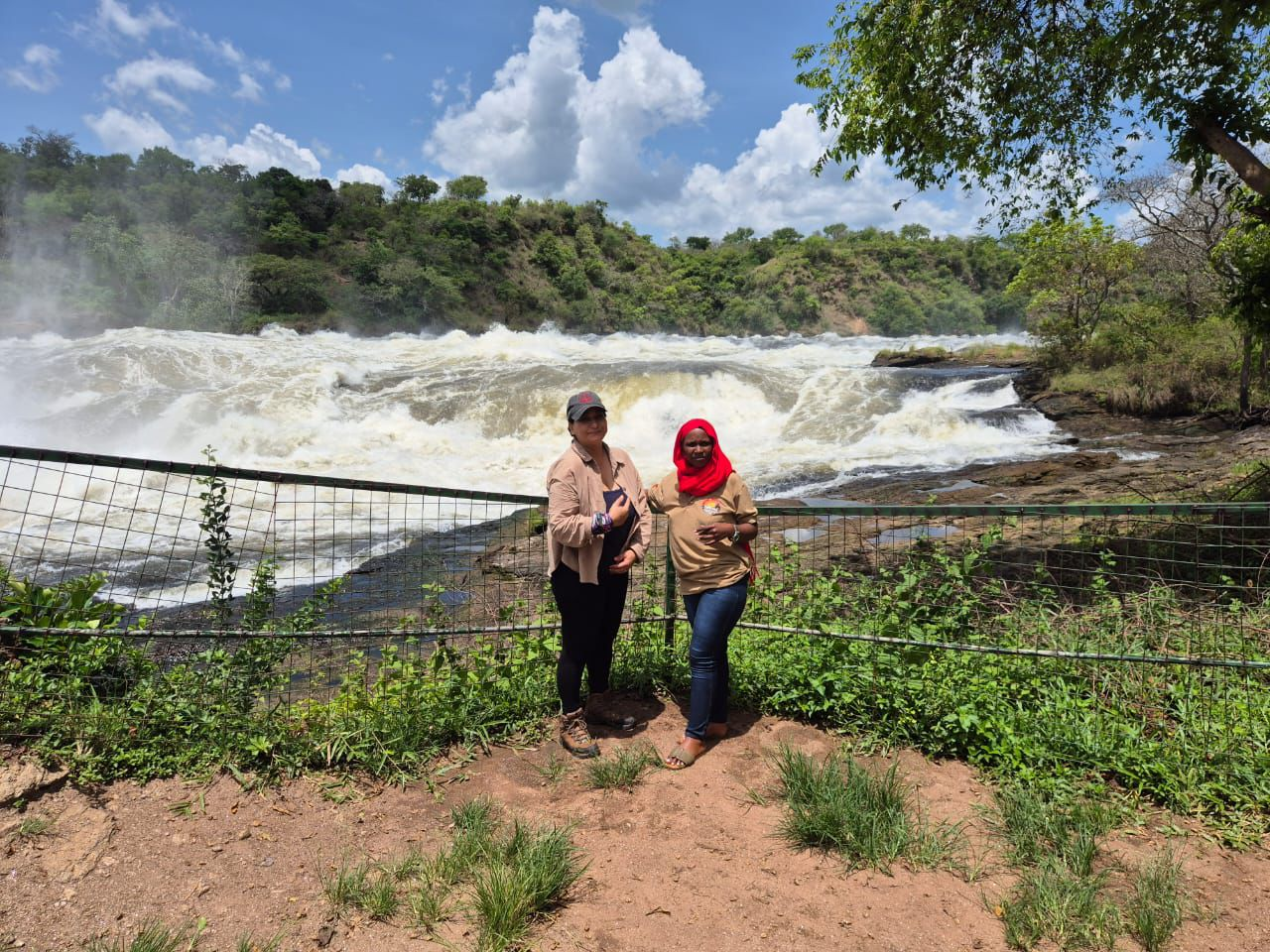
Murchison Falls National Park (Nile Safari + Big Landscapes)
Murchison Falls is dramatic and diverse savannah wildlife, river cruises, and one of the most powerful waterfalls on the planet.
Don’t miss:
- Boat cruise to the base of the falls
- Hike to the top of the falls
- Game drives for giraffe, elephants, lions, and more
Jinja (Adventure Capital on the Nile)
Jinja is known for:
- White-water rafting
- Kayaking
- Quad biking
- Relaxed riverside cafés and lodges
It’s a great “decompression stop” after safari days.
Mount Elgon + Sipi Falls (Hiking and Scenery)
Eastern Uganda’s landscapes are a hidden gem. Consider this region if you want:
- Cooler temperatures
- Multi-day hikes
- Waterfalls and cultural interaction
Uganda Travel Planning: Logistics, Safety, and Practical Tips
Entry Requirements and Visas
Most travelers need a visa, often available as an e-visa. The East Africa Tourist Visa can be useful if you’re combining Uganda with Kenya and Rwanda.
Before you go:
- Confirm passport validity requirements
- Confirm your visa type and entry points
- Consider travel insurance that covers trekking activities
Currency, Costs, and Budgeting
Uganda is generally good value compared to many safari destinations, but certain activities are premium.
Typical cost drivers:
- Gorilla permits
- Chimp permits
- Private vehicle + guide
- Lodges in/near parks
Budget-saving strategies
- Travel in shoulder season
- Mix lodge levels (splurge in key areas, save elsewhere)
- Consider small group or shared transport options
Transportation in Uganda (How to Move Around)
Uganda’s road network is improving, but travel times can be longer than distances suggest.
Common ways to travel
- Private safari vehicle with driver-guide (most convenient)
- Domestic flights between key parks (time-saving)
- Public transport (possible, but less practical for tight itineraries)
If you’re aiming for a smooth multi-park itinerary, a tour operator can eliminate the biggest pain points: timing, permits, and vehicle reliability. You can compare options at Turkana Wildlife Safaris.
Safety in Uganda (What Travelers Should Know)
Uganda is generally safe for tourists, especially in the main travel circuits. The usual travel precautions apply:
- Keep valuables secure in cities
- Use reputable transport
- Follow park ranger instructions on treks
- Don’t walk alone at night in unfamiliar areas
- Keep digital copies of documents
For gorilla and chimp trekking:
- Maintain the required distance
- Do not trek if you feel ill
- Follow all ranger guidance for safety and conservation
Suggested Uganda Itineraries (7–14+ Days)
Here are sample frameworks you can tailor based on your interests and time.
7 Days: Primates + Classic Safari
- Day 1: Entebbe/Kampala
- Day 2–3: Kibale (chimps)
- Day 4–5: Queen Elizabeth (game drives + boat)
- Day 6–7: Bwindi (gorillas) + return
10 Days: Uganda Highlights Circuit
- Kibale (chimps)
- Queen Elizabeth (Kazinga + Ishasha)
- Bwindi (gorillas)
- Lake Bunyonyi (relaxation)
- Return via scenic route
14 Days: Full Adventure + Wildlife + Primates
- Murchison Falls (boat + drives)
- Kibale (chimps)
- Queen Elizabeth (safari + boat)
- Bwindi/Mgahinga (gorillas + optional golden monkeys)
- Jinja (rafting)
For ready-made route ideas and trip lengths, browse Uganda tour packages and adapt them to your dates and priorities.
What to Pack for Uganda
Uganda’s conditions vary hot savannah days, cool evenings, wet forest trails. Pack for layers and rain.
Safari essentials
- Neutral-colored clothing
- Hat and sunglasses
- Sunscreen and insect repellent
- Binoculars
Gorilla/chimp trekking essentials
- Waterproof hiking boots
- Long-sleeve shirt + long trousers (bugs/brush)
- Rain jacket or poncho
- Light gloves (for gripping vegetation)
- Daypack + water + snacks
- Gaiters (optional but useful in mud)
Responsible Travel and Conservation Etiquette
Uganda’s primate tourism is conservation-driven. Your behavior matters.
- Keep quiet and calm near wildlife
- Never feed animals
- Stay on designated trails where required
- Support community projects and local crafts
- Choose operators that reinvest in conservation
When in doubt, ask your guide what best practices are in each park.
FAQ: Travel Guides Uganda.
1) Is Uganda good for first-time safari travelers?
Yes. Uganda is beginner-friendly, especially with a reputable guide. It combines wildlife viewing with cultural warmth and relatively straightforward travel circuits.
2) Is gorilla trekking in Uganda worth the cost?
For most travelers, yes. It’s a rare, once-in-a-lifetime experience with strong conservation impact. Plan permits early because availability is limited.
3) How many days do I need in Uganda?
A meaningful trip starts around 7–10 days, but 10–14 days is ideal to combine chimps, gorillas, and a major savannah park without rushing.
4) Which is better: Bwindi or Mgahinga for gorillas?
Both offer incredible encounters. Bwindi has more habituated gorilla families and lodge options; Mgahinga is quieter and scenic and pairs well with golden monkeys.
5) Should I book independently or use a tour operator?
If you’re visiting multiple parks or trekking primates, using an operator often saves time, reduces risk (permits/logistics), and improves the experience. You can explore guided options at Turkana Wildlife Safaris.