
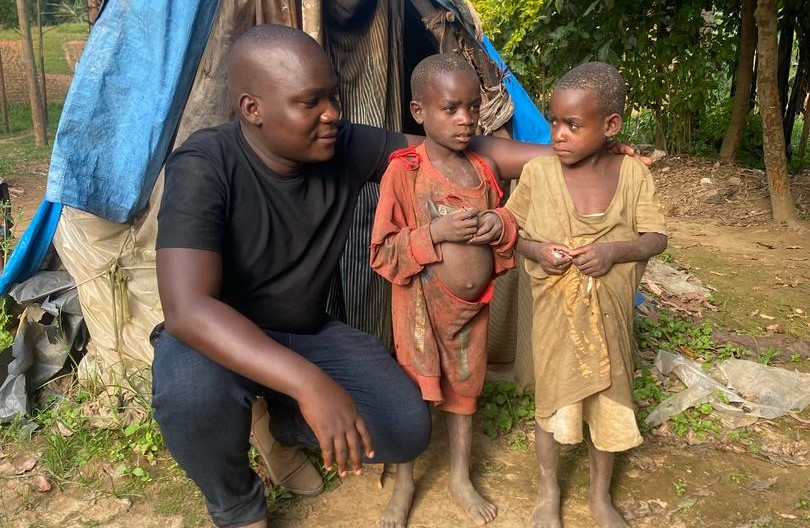
Uganda Batwa
Uganda Batwa
The Forgotten Voices of the Forest: A Comprehensive Exploration of the Batwa People of Uganda
Introduction
In the heart of Central Africa, nestled within the misty highlands and dense rainforests of southwestern Uganda, lives one of the most marginalized and historically displaced Indigenous communities on the continent — the Batwa people. Often referred to as the “keepers of the forest,” the Batwa are an Indigenous pygmy group whose ancestral ties to the Bwindi Impenetrable Forest and Mgahinga Gorilla National Park stretch back thousands of years.
This article delves into the rich cultural heritage, historical injustices, and ongoing struggles of the Batwa in Uganda. It aims to shed light on their unique identity, the challenges they face in the modern world, and the efforts being made to preserve their legacy.
Who Are the Batwa?
The Batwa are an Indigenous ethnic group traditionally known for their hunter-gatherer lifestyle. They are among the oldest surviving forest-dwelling communities in Africa, with a history that predates modern national borders and colonial interventions.
Cultural Identity and Way of Life
- Hunter-Gatherers: The Batwa lived in harmony with the forest, relying on it for food, medicine, and shelter.
- Spiritual Beliefs: Their cosmology is deeply rooted in nature, with sacred rituals performed in caves and groves.
- Oral Traditions: Knowledge is passed down through storytelling, songs, and dance, preserving their history and values.
Their intimate knowledge of flora, fauna, and forest ecology made them invaluable stewards of biodiversity long before conservation became a global concern.
Historical Displacement and Marginalization
The Creation of National Parks
In the early 1990s, the Ugandan government, under international pressure to protect endangered species like the mountain gorilla, designated the Batwa’s ancestral lands as protected areas. This led to their forced eviction from:
These conservation efforts, while noble in intent, came at a devastating cost to the Batwa, who were neither consulted nor compensated.
Consequences of Eviction
- Loss of Livelihood: Stripped of access to the forest, the Batwa could no longer hunt or gather.
- Cultural Erosion: Sacred sites and traditional practices were abandoned or lost.
- Poverty and Discrimination: Today, many Batwa live in extreme poverty, facing systemic discrimination and limited access to education, healthcare, and land rights.
The Batwa Today: Struggles and Resilience
Despite decades of marginalization, the Batwa continue to fight for recognition, dignity, and the right to return to their ancestral lands.
Socioeconomic Challenges
- Landlessness: Most Batwa communities live on the fringes of society, often squatting on land owned by others.
- Health Disparities: Limited access to clean water, sanitation, and healthcare services has led to high mortality rates.
- Educational Barriers: Discrimination and poverty hinder access to formal education, perpetuating cycles of illiteracy and unemployment.
Legal and Human Rights Advocacy
Organizations like Minority Rights Group International and Forest Peoples Programme have been instrumental in advocating for Batwa rights. Key legal milestones include:
- Constitutional Petitions: In 2013, the Batwa filed a landmark case in the Ugandan High Court demanding restitution and compensation.
- International Recognition: The Batwa are recognized as an Indigenous people under international law, including the UN Declaration on the Rights of Indigenous Peoples.
Cultural Preservation and Revitalization
Reviving Traditional Practices
Efforts are underway to document and revive Batwa cultural expressions, including:
- Traditional Music and Dance: Performances are used both for cultural education and tourism.
- Medicinal Knowledge: Elders are working with researchers to record traditional herbal remedies.
- Language Preservation: The Batwa speak a dialect of the Bantu language family, which is at risk of extinction.
Community-Based Tourism
Some Batwa communities have embraced eco-tourism as a means of income and cultural education. Initiatives include:
- Guided Forest Walks: Led by Batwa guides who share their ancestral knowledge.
- Cultural Villages: Reconstructed traditional homes where visitors can learn about Batwa life.
- Handicrafts and Art: Sale of woven baskets, jewelry, and carvings.
These initiatives not only generate income but also foster pride in Batwa identity.
Environmental Stewardship and Indigenous Knowledge
The Batwa’s deep understanding of forest ecosystems positions them as invaluable allies in conservation efforts.
Indigenous Conservation Practices
- Sustainable Harvesting: Only taking what is needed, ensuring regeneration.
- Sacred Sites: Certain areas were off-limits, preserving biodiversity hotspots.
- Animal Tracking: Skills in tracking and interpreting animal behavior are unmatched.
Collaborations with Conservationists
Progressive conservation models now recognize the importance of Indigenous participation. Some NGOs and researchers are working with Batwa communities to:
- Co-manage Protected Areas
- Integrate Traditional Knowledge into Biodiversity Studies
- Promote Indigenous-Led Conservation
The Road Ahead: Empowerment Through Inclusion
Policy Recommendations
To ensure justice and sustainability, several policy shifts are necessary:
- Land Restitution: Return or compensate for ancestral lands.
- Legal Recognition: Enshrine Batwa rights in national legislation.
- Inclusive Conservation: Adopt models that integrate Indigenous stewardship.
- Education and Health Access: Provide culturally appropriate services.
The Role of the International Community
Global actors must support Batwa empowerment through:
- Funding Indigenous-Led Initiatives
- Monitoring Human Rights Violations
- Amplifying Indigenous Voices in Global Forums
Frequently Asked Questions (FAQ)
1. Who are the Batwa of Uganda?
The Batwa are an Indigenous pygmy group native to the forests of southwestern Uganda. Traditionally hunter-gatherers, they have lived in the Bwindi and Mgahinga forests for centuries.
2. Why were the Batwa evicted from their land?
In the 1990s, the Ugandan government designated their ancestral forests as national parks for gorilla conservation, leading to the forced displacement of the Batwa without compensation or resettlement plans.
3. What challenges do the Batwa face today?
The Batwa face extreme poverty, landlessness, limited access to healthcare and education, and systemic discrimination. Their cultural identity is also under threat due to displacement and marginalization.
4. How are the Batwa preserving their culture?
Through community tourism, traditional performances, and documentation of oral histories, the Batwa are working to preserve their language, rituals, and forest knowledge.
5. What can be done to support the Batwa?
Support can come through advocacy for land rights, funding Indigenous-led projects, promoting inclusive conservation, and amplifying Batwa voices in national and international platforms.
Key Takeaways
- The Batwa are one of Africa’s oldest forest-dwelling Indigenous peoples.
- They were evicted from their ancestral lands in the name of conservation.
- Today, they face severe marginalization but continue to fight for their rights.
- Cultural preservation and eco-tourism offer pathways to empowerment.
- Inclusive policies and global solidarity are essential for justice.
Final Thoughts
The story of the Batwa is one of resilience in the face of adversity. As the world grapples with questions of climate justice, Indigenous rights, and sustainable development, the Batwa offer a living testament to the power of ancestral knowledge, cultural endurance, and the urgent need for inclusive conservation.
Let us not allow the voices of the forest to be silenced. Instead, may we amplify them — with dignity, justice, and respect.