
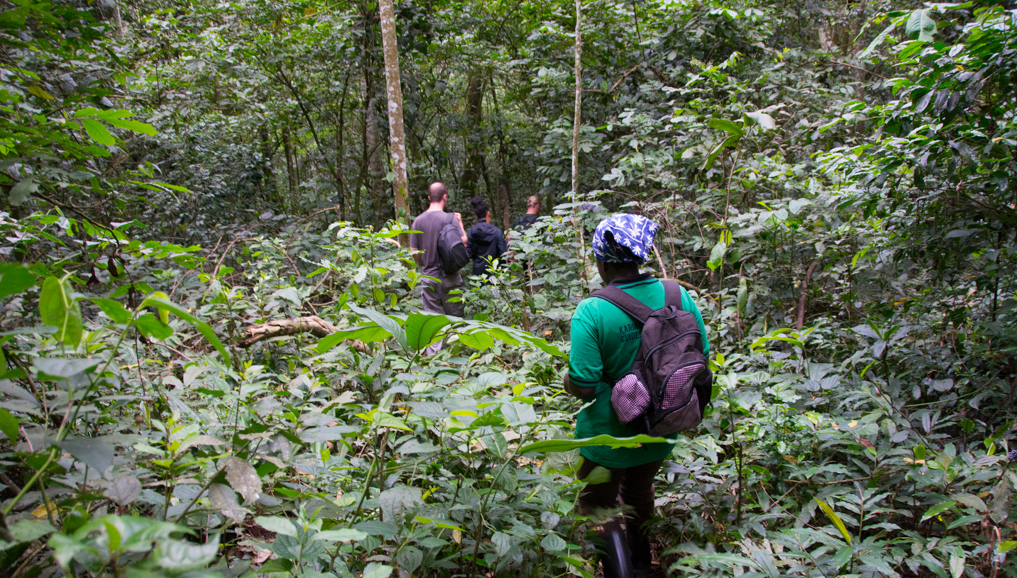
Uganda Forest Hiking
Uganda Forest Hiking
Uganda Forest Hiking: A Complete Guide to Exploring the Pearl of Africa
Introduction
Uganda, often referred to as the “Pearl of Africa”, is home to some of the most breathtaking forests in the world. With its lush greenery, diverse wildlife, and scenic landscapes, Uganda forest hiking offers an unforgettable adventure for nature lovers and trekking enthusiasts. Whether you’re exploring the Bwindi Impenetrable Forest, the Mabira Forest, or the Kibale National Park, each trail provides a unique experience filled with exotic flora and fauna.
In this comprehensive guide, we will explore the best hiking destinations in Uganda, what to expect, essential tips, and how to make the most of your adventure.
Best Forest Hiking Destinations in Uganda
1. Bwindi Impenetrable Forest
One of the most famous forests in Uganda, Bwindi Impenetrable National Park, is a UNESCO World Heritage Site and home to nearly half of the world’s remaining mountain gorillas.
Highlights:
- Gorilla trekking: A once-in-a-lifetime experience to see mountain gorillas in their natural habitat.
- Diverse wildlife: Home to over 120 mammal species, including forest elephants and chimpanzees.
- Scenic trails: Offers breathtaking views of waterfalls, dense vegetation, and mountainous terrain.
2. Kibale National Park
Known as the “Primate Capital of the World”, Kibale Forest is one of the best places to see chimpanzees in Uganda.
Highlights:
- Chimpanzee tracking: Get up close with these intelligent primates.
- Birdwatching: Over 375 bird species, including the rare African pitta.
- Nature walks: Explore the Bigodi Wetland Sanctuary and its rich biodiversity.
3. Mabira Forest
Located between Kampala and Jinja, Mabira Forest is a perfect getaway for those looking for a short but thrilling hiking experience.
Highlights:
- Canopy walks: Enjoy a bird’s-eye view of the forest from the treetop walkway.
- Butterfly watching: Over 200 butterfly species inhabit this forest.
- Cycling trails: Ideal for adventure seekers who want to explore on two wheels.
4. Mount Elgon National Park
If you’re looking for a mix of forest hiking and mountain climbing, Mount Elgon is the perfect destination.
Highlights:
- Sipi Falls: A stunning series of waterfalls perfect for photography.
- Caves and hot springs: Explore ancient caves and natural geothermal springs.
- Wildlife encounters: Spot colobus monkeys, antelopes, and unique bird species.
5. Budongo Forest
Situated in Murchison Falls National Park, Budongo Forest is famous for its mahogany trees and chimpanzee tracking.
Highlights:
- Chimpanzee tracking: One of the best places to see chimpanzees in Uganda.
- Birdwatching paradise: Over 360 bird species, including the chocolate-backed kingfisher.
- Eco-tourism activities: Guided nature walks and community tourism experiences.
Essential Tips for Uganda Forest Hiking
1. Best Time to Visit
- Dry season (June to September & December to February): Ideal for hiking as trails are less muddy.
- Rainy season (March to May & October to November): Lush vegetation but trails can be slippery.
2. What to Pack
- Hiking boots: Essential for navigating rugged terrain.
- Lightweight clothing: Long-sleeved shirts and pants to protect against insects.
- Rain jacket: Weather can be unpredictable in the forests.
- Binoculars: Perfect for spotting birds and distant wildlife.
- Camera: Capture the breathtaking scenery and wildlife encounters.
3. Safety Precautions
- Hire a guide: Local guides are knowledgeable about the terrain and wildlife.
- Stay on marked trails: Avoid getting lost in the dense forests.
- Carry enough water and snacks: Some hikes can be long and strenuous.
- Respect wildlife: Maintain a safe distance from animals.
Why Uganda Forest Hiking is a Must-Do Experience
1. Unique Wildlife Encounters
Uganda’s forests are home to rare primates, colorful birds, and exotic plant species, making every hike a wildlife enthusiast’s dream.
2. Stunning Landscapes
From misty mountains to crystal-clear waterfalls, the scenery in Uganda’s forests is truly breathtaking.
3. Cultural Experiences
Many hiking trails pass through local communities, offering a chance to interact with indigenous tribes such as the Batwa pygmies.
4. Eco-Tourism Opportunities
Uganda is committed to conservation and sustainable tourism, ensuring that hiking activities benefit both nature and local communities.
Frequently Asked Questions (FAQ)
1. Is Uganda safe for forest hiking?
Yes, Uganda is generally safe for hiking. However, it is recommended to hire a local guide and follow all safety precautions.
2. Do I need a permit for gorilla trekking?
Yes, a gorilla trekking permit is required for Bwindi Impenetrable Forest and Mgahinga Gorilla National Park. It is advisable to book in advance.
3. What is the best time to go hiking in Uganda?
The dry season (June to September & December to February) is the best time for hiking as trails are more accessible.
4. What should I wear for forest hiking in Uganda?
Wear sturdy hiking boots, long-sleeved clothing, a rain jacket, and a hat to protect against the sun and insects.
5. Can I combine forest hiking with other activities in Uganda?
Absolutely! You can combine hiking with safari tours, boat cruises, and cultural experiences for a well-rounded adventure.
Conclusion
Uganda forest hiking is an extraordinary experience that offers a perfect blend of adventure, wildlife, and cultural encounters. Whether you’re trekking through the Bwindi Impenetrable Forest, exploring the primate-rich Kibale National Park, or witnessing the stunning Sipi Falls, each hike promises a unique and unforgettable journey.
By following this guide, you’ll be well-prepared to embark on an incredible hiking adventure in Uganda, the Pearl of Africa. So, pack your gear, lace up your boots, and get ready to explore the untamed beauty of Uganda’s forests!