
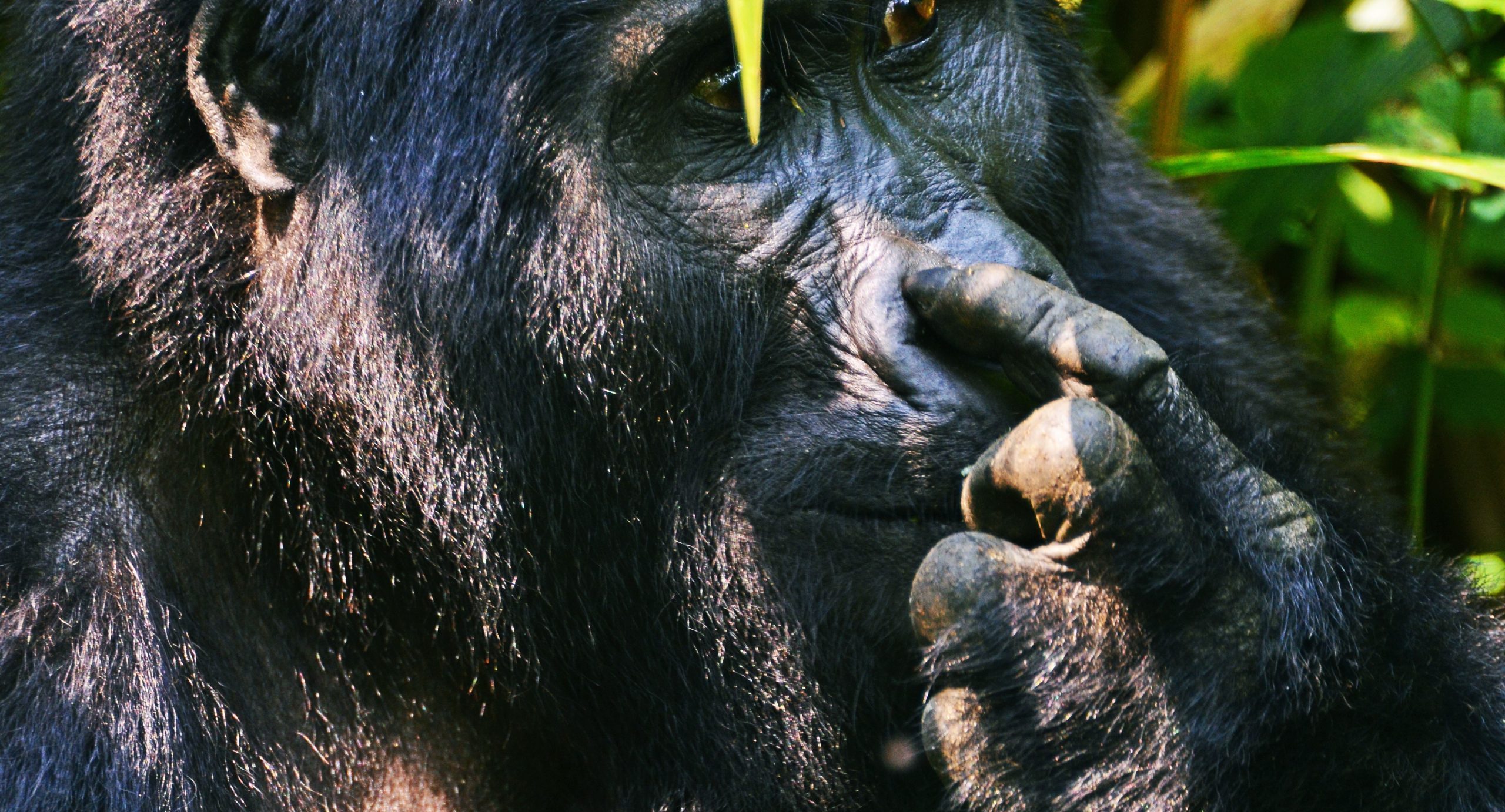
Virunga Mountains Gorilla Trekking
Virunga Mountains Gorilla Trekking
Virunga Mountains Gorilla Trekking: A Complete Guide to an Unforgettable Adventure
Introduction
Nestled in the heart of Central Africa, the Virunga Mountains are a chain of majestic volcanic peaks that span the borders of Rwanda, Uganda, and the Democratic Republic of Congo (DRC). These lush, mist-covered highlands are not only a geological marvel but also the last refuge of the critically endangered mountain gorillas, making them a top destination for eco-tourism and conservation enthusiasts.
Gorilla trekking in the Virunga Mountains offers a rare opportunity to witness these gentle giants in their natural habitat. This comprehensive guide explores everything you need to know about this once-in-a-lifetime experience—from the best trekking locations and required permits to ethical travel practices and conservation efforts.
What Are the Virunga Mountains?
The Virunga Mountains are a chain of eight major volcanoes forming part of the Albertine Rift, the western branch of the East African Rift. These mountains are characterized by dense rainforests, rich biodiversity, and dramatic volcanic landscapes. Among the most famous peaks are:
- Mount Karisimbi (4,507 m) – the highest of the Virunga range
- Mount Nyiragongo – home to one of the world’s most active lava lakes
- Mount Mikeno – a key gorilla habitat in the DRC
This region is one of the most biologically diverse places on Earth and is home to over half of the remaining mountain gorilla population.
Why Trek for Gorillas?
Gorilla trekking is more than just an adventure—it’s a transformative experience. Here’s why it’s so compelling:
- Rare Wildlife Encounter: Mountain gorillas cannot survive in captivity, making this the only way to see them.
- Support Conservation: Permit fees directly fund conservation efforts and support local communities.
- Immersive Nature Experience: Trekking through ancient forests and volcanic slopes is an unforgettable journey.
- Cultural Exchange: Engage with local communities and learn about their traditions and conservation roles.
Top Gorilla Trekking Destinations
Volcanoes National Park, Rwanda
Located in northern Rwanda, Volcanoes National Park is perhaps the most accessible and popular destination for gorilla trekking. The park is home to 12 habituated gorilla families and offers well-organized treks.
Highlights:
- Dian Fossey’s Karisoke Research Center
- Easy access from Kigali (2-3 hours)
- High-quality lodges and eco-tourism infrastructure
Bwindi Impenetrable Forest & Mgahinga, Uganda
Uganda offers two prime locations for gorilla trekking:
- Bwindi Impenetrable National Park: A UNESCO World Heritage Site with over 400 gorillas.
- Mgahinga Gorilla National Park: Smaller but equally rewarding, located in the Virunga range.
Why Uganda?
- More affordable permits
- Chance to see golden monkeys in Mgahinga
- Diverse trekking routes and terrain
Virunga National Park, DRC
Virunga National Park is Africa’s oldest national park and a UNESCO World Heritage Site. It offers a raw, off-the-beaten-path experience for adventurous travelers.
Unique Features:
- Fewer tourists, more intimate encounters
- Combine gorilla trekking with a hike to Mount Nyiragongo
- Direct support for local conservation efforts
How to Prepare for Gorilla Trekking
Preparation is key to a successful trek. Here’s what you need to know:
Physical Fitness
Gorilla trekking can be strenuous, involving steep climbs and dense vegetation. Moderate to good fitness is recommended.
Vaccinations and Health
- Yellow fever vaccination (mandatory for most countries)
- Malaria prophylaxis
- COVID-19 regulations may apply
Travel Insurance
Ensure your insurance covers high-altitude trekking and medical evacuation.
Gorilla Trekking Permits & Costs
Permits are mandatory and limited to reduce environmental impact. Here’s a breakdown:
| Country | Permit Cost (USD) | Booking in Advance |
|---|---|---|
| Rwanda | $1,500 | 3–6 months |
| Uganda | $800 | 3–6 months |
| DRC | $400 | 2–4 months |
Where to Buy:
What to Expect During the Trek
Each trek begins with a briefing at the park headquarters. You’ll be assigned to a gorilla group based on your fitness level and preferences.
The Trekking Experience
- Duration: 1 to 6 hours (depending on gorilla location)
- Group Size: Max 8 people per gorilla group
- Time with Gorillas: Strictly 1 hour
Rules & Etiquette
- Maintain a 7-meter distance
- No flash photography
- Do not trek if you’re ill (gorillas are susceptible to human diseases)
Best Time to Visit the Virunga Mountains
The region has two dry seasons, which are ideal for trekking:
- June to September
- December to February
During these months, trails are more accessible, and visibility is better. However, gorilla sightings are excellent year-round.
Conservation and Ethical Tourism
Gorilla trekking plays a vital role in conservation. Here’s how:
Community Involvement
- Revenue-sharing programs benefit local communities
- Employment opportunities for guides, porters, and rangers
Anti-Poaching Efforts
- Park rangers patrol and protect gorilla habitats
- NGOs and governments collaborate on enforcement
Responsible Travel Tips
- Choose eco-certified lodges
- Avoid single-use plastics
- Respect local customs and wildlife
Packing List for Gorilla Trekking
Here’s what to bring for a safe and comfortable trek:
Clothing
- Long-sleeved shirts and trousers
- Waterproof hiking boots
- Rain jacket or poncho
- Gaiters (to protect from mud and insects)
Essentials
- Daypack with water and snacks
- Insect repellent
- Sunscreen and hat
- Camera (no flash)
Optional
- Hiking poles
- Gardening gloves (for grabbing vegetation)
- Binoculars
Frequently Asked Questions
1. Is gorilla trekking safe?
Yes, it is generally safe. Treks are led by trained guides and armed rangers. However, always follow instructions and be aware of your surroundings.
2. Can children participate in gorilla trekking?
Children under 15 are not allowed to participate due to safety and conservation concerns.
3. How close can I get to the gorillas?
You must maintain a distance of at least 7 meters, though gorillas may approach you out of curiosity.
4. What happens if I don’t find gorillas?
Sightings are highly likely (over 95% success rate), but if not, some parks offer a second trek at no extra cost, subject to availability.
5. Can I combine gorilla trekking with other activities?
Absolutely. Consider adding:
Final Thoughts
Gorilla trekking in the Virunga Mountains is not just a travel experience—it’s a journey into the heart of one of the planet’s most awe-inspiring ecosystems. Whether you choose the misty slopes of Rwanda, the dense jungles of Uganda, or the untamed wilderness of the DRC, this adventure will leave an indelible mark on your soul.
By participating in this responsible form of tourism, you contribute directly to the survival of mountain gorillas and the well-being of local communities. So lace up your boots, grab your permit, and prepare for one of the most profound wildlife encounters on Earth.