
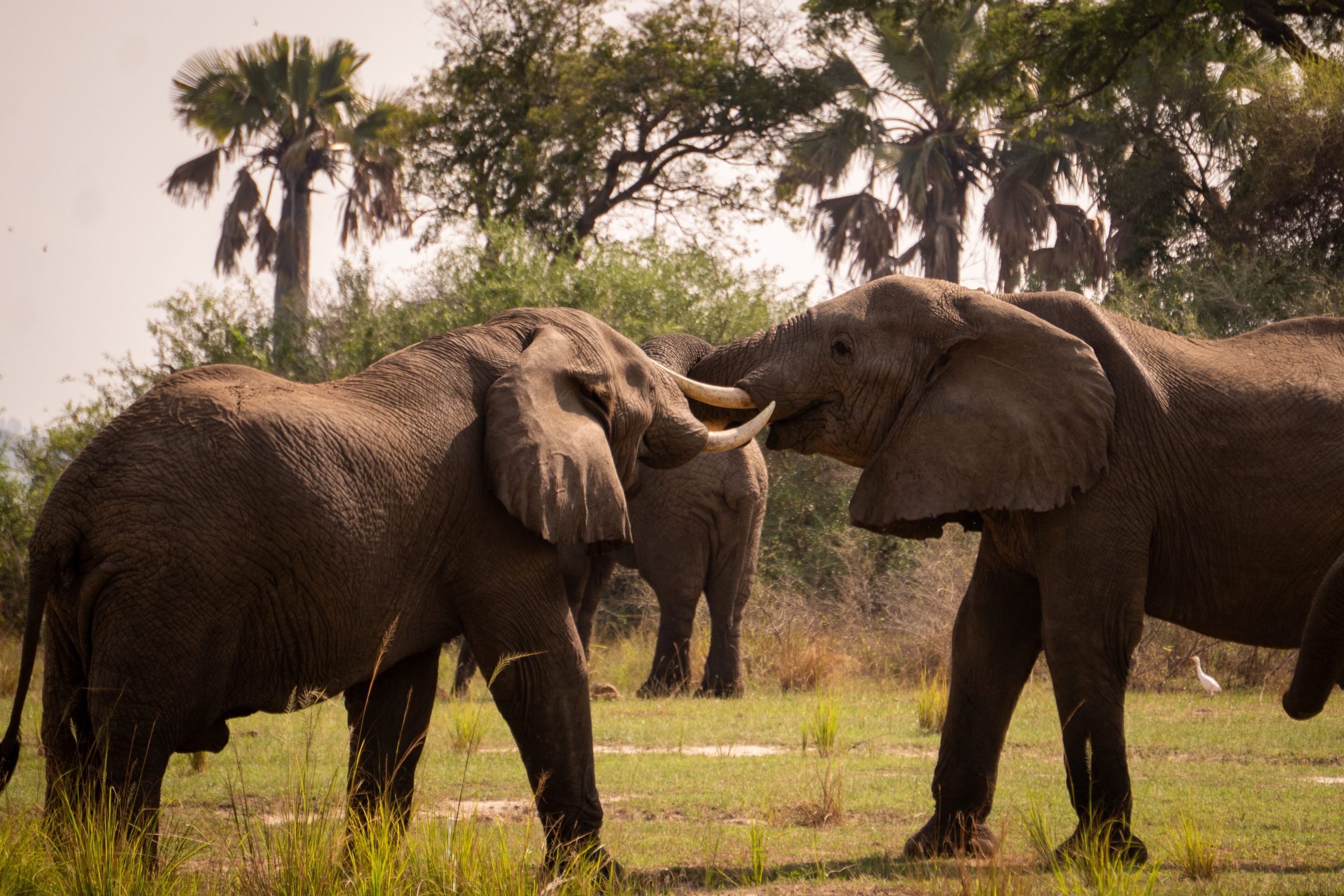
What is the Low Season for Safaris in Uganda
What is the Low Season for Safaris in Uganda
What Is the Low Season for Safaris in Uganda? A Complete Guide
Uganda is a year-round safari destination, but the number of visitors, weather conditions, wildlife-viewing conditions, and safari prices change throughout the year. If you are looking for a more affordable Uganda safari with fewer tourists, the low season can be an excellent time to travel.
The main low-season periods for Uganda safaris are generally March to May and October to November, which correspond with the country’s wetter periods. These months usually attract fewer visitors than the dry-season peak periods of June to September and December to February.
For travelers who do not mind occasional rain and muddy roads, the low season can offer beautiful green landscapes, excellent birdwatching, fewer crowds, and potentially lower accommodation and safari costs.
Understanding Uganda’s Low Safari Season
Uganda lies along the Equator, so it does not experience the extreme summer and winter seasons found in many other parts of the world. Instead, rainfall patterns largely determine the safari seasons.
Uganda generally has two wetter periods:
- March to May – Long rains
- October to November – Short rains
The drier periods are generally:
- June to September – Long dry season
- December to February – Short dry season
The dry periods are traditionally the busiest safari periods because roads and trails are generally easier to navigate and wildlife can be easier to spot in savannah parks.
The low season should therefore not be interpreted as a time when Uganda’s national parks are closed or wildlife disappears. Uganda can be visited throughout the year, and many safari activities continue during the rainy months.
When Is the Low Season for Safaris in Uganda?
March to May: The Main Low Season
March, April, and May are generally associated with Uganda’s long rainy season.
April is typically among the wettest months, and heavy rainfall can affect some roads and forest trails. However, the rains also transform Uganda’s landscapes into lush green environments.
For budget-conscious travelers, this period can provide opportunities for lower accommodation and safari rates because demand is generally lower.
The season can also be rewarding for:
- Green landscapes and photography
- Birdwatching
- Fewer visitors in national parks
- Newborn wildlife
- More flexible accommodation availability
- Budget-focused safari planning
October to November: The Short-Rains Low Season
October and November form another important low-season window.
The short rains can be less disruptive than the longer rainy period in some parts of Uganda, although rainfall varies by region. The countryside becomes green and scenic, while tourist numbers generally remain lower than during the major dry-season periods.
For travelers who want a quieter safari experience without completely avoiding favorable travel conditions, October and November can be worth considering.
Why Travel to Uganda During the Low Season?
There are several reasons why travelers choose the low season.
1. Potentially Lower Safari Costs
One of the biggest attractions of traveling during the low season is the possibility of finding lower rates.
Some lodges, camps, and safari operators offer reduced rates or special packages when demand is lower. This can make it possible to allocate more of your travel budget toward activities, accommodation upgrades, gorilla trekking, chimpanzee tracking, or extending your itinerary.
However, discounts vary between properties and operators, so travelers should compare actual package prices rather than assuming every safari is automatically cheaper.
2. Fewer Tourists
Low-season travel generally means fewer visitors in Uganda’s parks compared with the busiest dry-season periods.
This can make the experience feel quieter, particularly for travelers who prefer spending time in nature without large numbers of other safari vehicles.
Uganda’s parks are not generally known for the same level of mass tourism found in some other East African destinations, but visitor numbers still vary considerably by season.
3. Beautiful Green Scenery
Rain brings new life to Uganda’s landscapes.
During the wet months, grasslands and forests become lush and green, creating excellent conditions for landscape photography. The combination of green vegetation, dramatic skies, forests, wetlands, and wildlife can produce a very different safari experience from the drier months.
4. Excellent Birdwatching
The wet season can be particularly attractive to birdwatchers.
Uganda is already a major birdwatching destination, and the wetter months can bring increased bird activity as well as migratory species. Tourism sources highlight the wet season as a particularly rewarding period for birding.
Popular birdwatching destinations include:
- Queen Elizabeth National Park
- Murchison Falls National Park
- Kibale Forest
- Bwindi Impenetrable Forest
- Mabamba wetlands
- Semuliki National Park
5. Newborn Wildlife
The rainy season provides favorable feeding conditions because vegetation becomes abundant.
In some parks, travelers may have opportunities to see young animals during this period. Murchison Falls National Park, for example, is noted for lush scenery and opportunities to see young wildlife during wetter periods.
What Are the Disadvantages of a Low-Season Uganda Safari?
Although the low season has many benefits, it is important to understand the trade-offs.
Rainfall
Rain is the biggest consideration.
Rain showers can sometimes be short and followed by sunshine, but heavier rainfall can also last longer and affect travel plans.
Uganda’s official tourism information notes that rain can occur throughout the year, particularly in forest and mountainous environments.
Muddy Roads
Some safari roads and tracks can become muddy during heavy rains.
This is particularly important when traveling to remote parks or areas where roads are unpaved. Safari vehicles and experienced drivers can handle many conditions, but journeys may take longer.
Slippery Gorilla Trekking Trails
If your Uganda safari includes gorilla trekking in Bwindi Impenetrable National Park or Mgahinga Gorilla National Park, expect potentially wetter and more slippery trails.
Gorilla trekking continues during the rainy season, but wet conditions can make hiking more physically demanding.
Wildlife Can Be More Difficult to Spot
During dry months, vegetation is often thinner and animals may gather around remaining water sources, making wildlife easier to locate.
During the rainy season, abundant water and thicker vegetation can spread wildlife across larger areas and make some animals harder to see.
This does not mean wildlife viewing is poor, it simply requires different expectations.
Low Season vs. High Season in Uganda
| Feature | Low Season | High Season |
|---|---|---|
| Main months | March–May, October–November | June–September, December–February |
| Rainfall | Higher | Generally lower |
| Tourist numbers | Lower | Higher |
| Safari prices | Often lower | Often higher |
| Roads | Can be muddy | Generally easier |
| Vegetation | Lush and green | Often thinner/drier |
| Wildlife visibility | Can be more challenging | Generally easier |
| Birdwatching | Excellent | Good to excellent |
| Gorilla trekking | Available | Available |
| Photography | Excellent green scenery | Excellent wildlife visibility |
These are general seasonal patterns, and conditions vary between regions and individual parks.
Is the Low Season Good for Gorilla Trekking?
Yes. Gorilla trekking in Uganda takes place throughout the year.
The main difference is the condition of the forest trails. During wetter months, trails can become muddy and slippery, while the drier months generally provide easier hiking conditions.
For travelers who are comfortable hiking in wet conditions, the low season can provide a quieter forest experience.
Because weather in tropical forests can change quickly, proper preparation is important regardless of when you trek.
Is the Low Season Good for Game Drives?
Yes, although game drives can require more patience.
During the rainy months, grass and vegetation can become thicker, while water is more widely available. These factors can make some animals less predictable to locate.
On the other hand, the green landscapes can create excellent photography opportunities, and the parks remain rich in wildlife.
Destinations such as Murchison Falls National Park, Queen Elizabeth National Park, and Kidepo Valley National Park continue to offer safari experiences outside the peak dry season.
Best Uganda National Parks to Visit During Low Season
Murchison Falls National Park
Murchison Falls can be particularly attractive during the wet season because the landscape becomes lush and green. Birdwatching can also be rewarding, while wildlife remains present throughout the year.
Queen Elizabeth National Park
Queen Elizabeth National Park offers game drives, boat cruises, birdwatching, and diverse landscapes.
The wet season can provide beautiful scenery and birding opportunities, although some unpaved tracks may become more challenging after heavy rainfall.
Kibale National Park
Kibale is famous for chimpanzee tracking and forest experiences.
Because it is a rainforest environment, some rainfall is possible throughout the year. Visitors traveling during the low season should therefore be prepared for wet and slippery conditions.
Bwindi Impenetrable National Park
Bwindi is one of Uganda’s premier destinations for mountain gorilla trekking.
The forest receives substantial rainfall, and wet-season trekking can be more challenging. Nevertheless, gorilla trekking is conducted year-round, making Bwindi an option for travelers who are flexible about weather conditions.
Kidepo Valley National Park
Kidepo is located in northeastern Uganda and has different rainfall patterns from many parts of southern Uganda. This means seasonal conditions should be considered specifically when planning a Kidepo safari rather than relying only on nationwide season labels.
What Should You Pack for a Low-Season Uganda Safari?
Travelers visiting Uganda during the rainy season should prepare for both sunshine and rain.
Consider packing:
- Waterproof jacket
- Waterproof hiking boots
- Lightweight quick-drying clothing
- Long trousers
- Warm fleece or sweater
- Hat
- Sunscreen
- Sunglasses
- Insect repellent
- Waterproof backpack cover
- Camera protection
- Binoculars
- Small daypack
- Reusable water bottle
For gorilla trekking, good-quality hiking boots and rain protection are particularly useful because forest trails can become slippery.
Tips for Planning a Low-Season Uganda Safari
Choose Flexible Travel Dates
If possible, allow some flexibility in your itinerary. Weather can affect road conditions and travel times.
Work With an Experienced Local Safari Operator
A local safari company can help select suitable routes and accommodation according to current conditions.
Allow Extra Travel Time
Wet roads can sometimes make journeys slower, so avoid creating an itinerary where every activity depends on arriving at a destination at an exact time.
Bring Waterproof Protection for Your Camera
Uganda’s wildlife and scenery can be spectacular during rainy weather. Protect your camera, phone, binoculars, and other electronics.
Don’t Assume Rain Means Rain All Day
Uganda’s rainfall patterns vary by region, and rain does not necessarily mean continuous rainfall throughout the day. Official tourism information notes that Uganda can experience short periods of rain followed by clearer conditions.
Why Choose Turkana Wildlife Safaris Uganda?
Turkana Wildlife Safaris Uganda can help travelers plan Uganda safari experiences around their preferred travel dates, budget, destinations, and activities.
A low-season safari can be tailored around experiences such as:
- Uganda wildlife safaris
- Gorilla trekking
- Chimpanzee tracking
- Game drives
- Boat safaris
- Birdwatching tours
- Cultural experiences
- Private safaris
- Family safaris
- Budget safaris
- Luxury Uganda safaris
- Multi-day Uganda safari packages
For travelers considering March–May or October–November, Turkana Wildlife Safaris Uganda can help build an itinerary that takes seasonal road and weather conditions into account.
Frequently Asked Questions About Uganda’s Low Safari Season
1. What is the low season for safaris in Uganda?
The main low-season periods are generally March to May and October to November, corresponding broadly with Uganda’s wetter seasons.
2. Is Uganda worth visiting during the low season?
Yes. Uganda remains open to tourism throughout the year, and low-season travel can offer lower visitor numbers, greener scenery, excellent birdwatching, and potentially lower safari prices.
3. Is March a good month for a Uganda safari?
March marks the beginning of the long-rains period in many parts of Uganda. It can be a good option for travelers interested in green scenery, birdwatching, fewer tourists, and potentially lower prices, while accepting wetter conditions.
4. Is April a good month for a Uganda safari?
April is generally one of the wetter months, so travelers should be prepared for heavy rain and potentially difficult road conditions. However, the low visitor numbers and lush landscapes can appeal to adventurous travelers.
5. Is May a low season in Uganda?
Yes. May is generally part of the long rainy season and is commonly considered a low-season month for Uganda safaris.
6. Is October a good month for a Uganda safari?
October is part of the short-rains period. It can offer green scenery, fewer tourists, and potentially lower rates, although rainfall can affect roads and trekking trails.
7. Is November a low season for Uganda safaris?
Yes. November is generally considered part of Uganda’s low season, although conditions vary across the country.
8. Can I go gorilla trekking during the low season?
Yes. Gorilla trekking takes place throughout the year. The primary difference is that wet-season trails can be muddier and more slippery.
9. Will I see wildlife during the rainy season?
Yes. Uganda’s wildlife can be viewed throughout the year. However, thick vegetation and widespread water can sometimes make animals more difficult to locate than during the drier months.
10. Are Uganda safari prices cheaper during the low season?
They can be. Lower demand may lead some lodges and safari operators to offer discounted rates, although prices vary according to accommodation, destination, safari length, and activities.
11. Is the low season good for birdwatching?
Yes. The wet season can be particularly rewarding for birdwatchers, including opportunities to see migratory birds and increased bird activity.
12. Which is better for wildlife viewing, the dry or wet season?
The dry season generally provides easier wildlife viewing because vegetation is thinner and animals often concentrate around water sources. The wet season offers greener landscapes, birdwatching opportunities, and a quieter safari atmosphere.
13. Does Uganda close its national parks during the low season?
No. Uganda is a year-round tourism destination, and the country’s parks and forest destinations continue to receive visitors during wetter months.
Conclusion
The low season for safaris in Uganda is generally March to May and October to November. These months bring more rainfall, but they also provide several advantages, including fewer tourists, greener scenery, excellent birdwatching opportunities, and the possibility of lower safari and accommodation costs.
The main trade-off is that rain can make some roads and trekking trails muddy and can sometimes make wildlife more difficult to spot. For travelers who value a quieter experience and are willing to be flexible with weather, however, the low season can be a rewarding way to explore Uganda.
With Turkana Wildlife Safaris Uganda, travelers can plan a customized Uganda safari around their budget, preferred destinations, wildlife interests, and travel dates. Whether you want a budget adventure, private wildlife safari, chimpanzee tracking experience, or unforgettable gorilla trekking adventure, Uganda’s low season can offer a different and often more intimate way to discover the Pearl of Africa.