
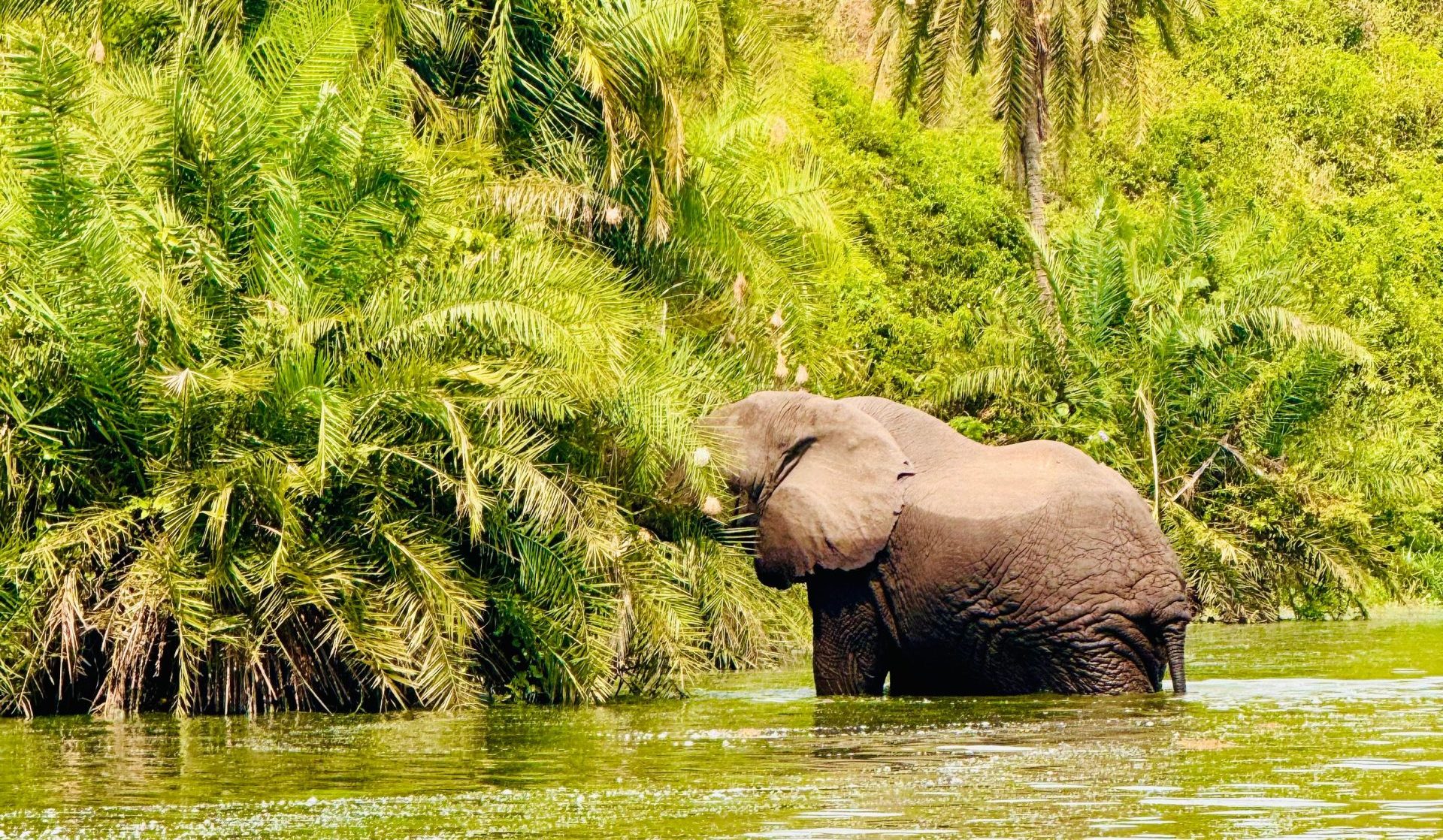
What is the Peak Tourist Season in Uganda
What is the Peak Tourist Season in Uganda
What Is the Peak Tourist Season in Uganda? A Complete Guide for Safari Travelers
Uganda, famously known as the Pearl of Africa, is a year-round destination offering exceptional wildlife safaris, gorilla trekking, chimpanzee tracking, bird watching, cultural experiences, and mountain adventures. However, some months are traditionally more popular with international travelers because of their drier weather and favorable conditions for wildlife viewing.
For most safari travelers, Uganda’s main peak tourist season is generally June to September, with another favorable dry period occurring from December to February. Uganda Wildlife Authority identifies June–August and December–February as dry-season periods that are particularly suitable for wildlife viewing in savannah reserves.
If you are planning a Uganda safari with Turkana Wildlife Safaris Uganda, understanding the differences between peak, shoulder, and rainy seasons can help you choose the period that best matches your interests, budget, and preferred safari experience.
Understanding Uganda’s Peak Tourist Season
Uganda does not have just one short peak season. Tourism patterns are influenced by weather, wildlife viewing conditions, school holidays, gorilla trekking demand, and international travel patterns.
The June to September period is commonly considered the main high-demand period for safari travel. These months generally have relatively drier conditions, making many roads, savannah tracks, and walking trails easier to navigate.
The second dry period is generally December to February. It can also provide excellent conditions for wildlife viewing, particularly in destinations such as Murchison Falls, Queen Elizabeth, and Kidepo Valley National Parks.
This does not mean that Uganda’s rainy seasons are unsuitable for tourism. In fact, travelers visiting during wetter months can experience lush scenery, fewer tourists, excellent birding opportunities, and potentially different wildlife experiences.
When Is Uganda’s Main Peak Safari Season?
June to September
June through September is one of the most popular periods for Uganda safaris.
During this period, many parts of the country experience relatively drier conditions. In savannah parks, vegetation can become less dense and wildlife may be easier to locate around water sources.
Uganda Wildlife Authority notes that the dry season is particularly favorable for wildlife viewing in savannah reserves.
Why Travelers Choose June to September
There are several reasons why this period attracts safari visitors:
- Generally lower rainfall in many safari areas
- Easier road conditions
- Better conditions for game drives
- Good opportunities for wildlife photography
- Comfortable conditions for combining several destinations
- Favorable conditions for gorilla and nature activities
- Excellent birding opportunities, particularly from late May through September
For travelers planning a classic Uganda safari involving several national parks, June through September can be a convenient time to travel.
December to February: Uganda’s Second Dry Season
December, January, and February form another important dry-season period.
Uganda Wildlife Authority describes December to February as a dry season and notes that these months can be favorable for wildlife observation.
This period can be particularly attractive to travelers who cannot travel during the June–September season.
Advantages of December to February
Visitors may enjoy:
- Drier safari conditions
- Good game-viewing opportunities
- Easier access to many safari destinations
- Warm temperatures
- Excellent opportunities for photography
- Good conditions for combining wildlife and primate experiences
January and February can become relatively warm in some northern areas, so travelers should consider the specific destinations included in their itinerary.
Is Uganda Busy During Peak Season?
Uganda’s safari experience can feel different from some of Africa’s most heavily visited safari destinations.
Even during popular travel periods, many Ugandan parks can provide opportunities for relatively intimate wildlife experiences. However, popular activities such as gorilla trekking can have limited availability because trekking groups and permits are controlled.
Therefore, travelers planning to visit during June–September or around the December–February period should consider arranging important permits, accommodation, transportation, and safari activities in advance.
This is especially important for travelers who have specific dates or particular gorilla families, lodges, or safari routes in mind.
Peak Season for Gorilla Trekking in Uganda
Gorilla trekking is one of Uganda’s most sought-after tourism experiences, particularly in Bwindi Impenetrable National Park and Mgahinga Gorilla National Park.
The drier months of June–August and December–February can be attractive for trekking because trails are generally less wet than during the main rainy periods.
However, gorilla trekking takes place throughout the year.
The weather in Bwindi can also differ from Uganda’s savannah parks because of the forest’s elevation and local climate. Uganda Wildlife Authority documentation describes Bwindi as having two rainy seasons and two dry seasons, with June–July and December–February being the principal drier periods.
For this reason, it is better to think of peak season as a period of higher travel demand and generally favorable conditions, rather than a guarantee of perfect weather.
What About Chimpanzee Tracking?
Chimpanzee experiences are available throughout the year.
Interestingly, the ideal period can depend on the exact activity. Uganda Wildlife Authority states that chimpanzee tracking and habituation take place year-round and notes that tracking can actually be productive during the rainy season, despite muddy conditions, because chimpanzees may move deeper into the forest during dry periods.
This is a good example of why there is no single “perfect” month for every Uganda safari.
If your priority is combining chimpanzee tracking with traditional savannah game drives, your itinerary should be designed around the complete experience rather than simply choosing the driest month.
Peak Season for Wildlife Safaris
For classic wildlife safaris, the dry months are particularly attractive.
In parks such as Murchison Falls National Park, the dry season generally occurs from December to February and June to September. During this time, rainfall is lower and wildlife may become more concentrated around available water sources.
A typical peak-season safari might include:
- Murchison Falls National Park
- Queen Elizabeth National Park
- Kibale National Park
- Bwindi Impenetrable National Park
- Lake Mburo National Park
- Kidepo Valley National Park
Each destination has its own climate and wildlife characteristics, so an experienced safari operator can help match your travel dates to the destinations you want to visit.
Is the Rainy Season a Bad Time to Visit Uganda?
Not at all.
Uganda is a year-round tourism destination, and traveling outside the main dry season can have its own advantages.
The rainy periods can transform the landscapes into vibrant green environments. Birdlife can also be particularly rewarding, and some travelers prefer the quieter atmosphere that may accompany lower tourist numbers.
Uganda Wildlife Authority describes Uganda as suitable for bird watching throughout the year, while noting that late May through September generally provides favorable conditions because of lower rainfall.
Travelers should simply understand that rain can affect road conditions and forest trails.
Uganda Safari Seasons at a Glance
| Season | Approximate Months | Typical Conditions | Safari Considerations |
|---|---|---|---|
| Main dry season | June–September | Generally drier | Excellent for game drives and many trekking itineraries |
| Second dry season | December–February | Generally drier | Good wildlife viewing and safari conditions |
| Long rains | March–May | Wetter | Green scenery, fewer travelers, muddy roads possible |
| Short rains | October–November | Wetter in many areas | Lush landscapes and potentially fewer visitors |
These seasons are general guides rather than strict national rules because Uganda’s climate varies significantly by region and elevation. For example, the Rwenzori Mountains have a much wetter and colder mountain climate than many savannah parks.
Advantages of Traveling During Peak Season
1. Better Road Conditions
Drier weather can make many safari roads easier to navigate, particularly in savannah parks.
2. Wildlife Viewing
Reduced vegetation and the concentration of some animals around water sources can make wildlife easier to locate.
3. Good Photography Conditions
Clearer skies and open landscapes can provide excellent opportunities for wildlife photography.
4. Easier Multi-Park Itineraries
If you want to combine several destinations, the drier months can make road-based travel more predictable.
5. Popular Travel Period
Travelers who prefer the traditional African safari season often choose June–September.
Disadvantages of Traveling During Peak Season
Peak season is not perfect for everyone.
Because demand can be higher:
- Some accommodations may sell out earlier.
- Gorilla permits should be arranged ahead of time.
- Popular safari dates may have less flexibility.
- Some services may cost more depending on the operator and accommodation selected.
- You may encounter more travelers at popular attractions.
For travelers with flexible schedules, shoulder or low-season travel can sometimes provide a different experience and greater flexibility.
How Far in Advance Should You Book a Uganda Safari?
There is no single booking deadline that applies to every safari.
However, travelers visiting during the popular June–September and December–February periods should consider planning well in advance, particularly when their itinerary includes gorilla trekking.
Early planning gives you more choice regarding:
- Gorilla permits
- Safari lodges
- Camps
- Private vehicles
- Domestic flights
- Guides
- Preferred travel dates
A reputable Uganda safari company can also help coordinate the different components of your itinerary.
Why Choose Turkana Wildlife Safaris Uganda?
Turkana Wildlife Safaris Uganda can help travelers organize customized Uganda safari experiences around their preferred travel season, destinations, budget, and interests.
Whether you are planning a first safari to Uganda or returning for a more specialized adventure, an itinerary can be built around experiences such as:
- Gorilla trekking
- Chimpanzee tracking
- Big-game safaris
- Wildlife photography
- Bird watching
- Cultural experiences
- Nature walks
- Boat cruises
- Multi-park Uganda safaris
- Rwanda–Uganda safari combinations
The advantage of working with a local safari company is the ability to plan around actual travel conditions and the specific experiences you want rather than choosing dates based only on a general “best time to visit” recommendation.
How to Choose the Best Month for Your Uganda Safari
The best month depends on what you want to see and do.
For classic wildlife safaris
Consider June–September or December–February.
For gorilla trekking
The drier months can provide more favorable trail conditions, although trekking is available throughout the year.
For bird watching
Uganda offers birding opportunities throughout the year, with late May through September identified by UWA as a favorable period because of lower rainfall.
For fewer tourists
Consider traveling outside the main high-demand periods.
For lush green landscapes
The wetter periods can provide beautiful scenery and strong photographic opportunities.
For chimpanzee tracking
Consider the specific forest and activity rather than choosing solely according to the general safari season.
Frequently Asked Questions About Uganda’s Peak Tourist Season
1. What is the peak tourist season in Uganda?
The main peak safari period is generally June to September, when many areas experience relatively dry conditions. December to February is another important dry-season period and can also be popular with safari travelers.
2. What are the best months for a Uganda safari?
For traditional wildlife viewing, June, July, August, September, December, January, and February are generally among the most favorable months because they fall within Uganda’s principal dry periods.
3. Is June a good month for Uganda?
Yes. June marks the beginning of one of Uganda’s important dry periods and can be an excellent time for wildlife safaris and many outdoor activities.
4. Is July a peak month for Uganda safaris?
July falls within the main June–September dry period and is commonly considered part of the high-demand safari season.
5. Is August a good time to visit Uganda?
August is within the main dry period and can provide favorable conditions for wildlife viewing and many safari activities.
6. Is December a good month for Uganda safari?
Yes. December begins the second principal dry season in many parts of Uganda and can be a good time for wildlife viewing.
7. Can I visit Uganda during the rainy season?
Absolutely. Uganda is open to tourism throughout the year. Rain can produce lush scenery and excellent conditions for some activities, although muddy roads and wet forest trails can sometimes make travel more challenging.
8. Is Uganda expensive during peak season?
Costs vary according to accommodation, transportation, permits, itinerary length, and safari style. Peak-season demand can affect accommodation availability, so booking early can provide more choices.
9. When should I book a gorilla trekking safari?
If you have fixed travel dates, particularly during popular dry-season months, it is sensible to arrange your gorilla permit and accommodation well ahead of your trip.
10. Does Turkana Wildlife Safaris Uganda operate safaris throughout the year?
A Uganda safari can be planned throughout the year, with the itinerary adjusted according to the season, destinations, activities, and traveler’s preferences.
Conclusion
So, what is the peak tourist season in Uganda?
For most safari travelers, June to September is the country’s principal peak travel period, while December to February provides another important dry-season window. These periods generally offer favorable conditions for wildlife viewing, road travel, and many outdoor activities.
However, Uganda is much more than a dry-season destination. Different activities can have different ideal conditions, and traveling during the wetter months can offer lush landscapes, birding opportunities, and a quieter safari atmosphere.
Whether you want to track mountain gorillas in Bwindi, search for chimpanzees in Kibale, watch elephants and lions on a game drive, cruise along the Nile, or explore Uganda’s spectacular landscapes, Turkana Wildlife Safaris Uganda can help you create a safari itinerary around your preferred dates, interests, and budget.
Start planning your Uganda safari with Turkana Wildlife Safaris Uganda and discover the Pearl of Africa in the season that suits your adventure.