
What makes Bwindi Impenetrable Forest famous
What makes Bwindi Impenetrable Forest famous
What Makes Bwindi Impenetrable Forest Famous?
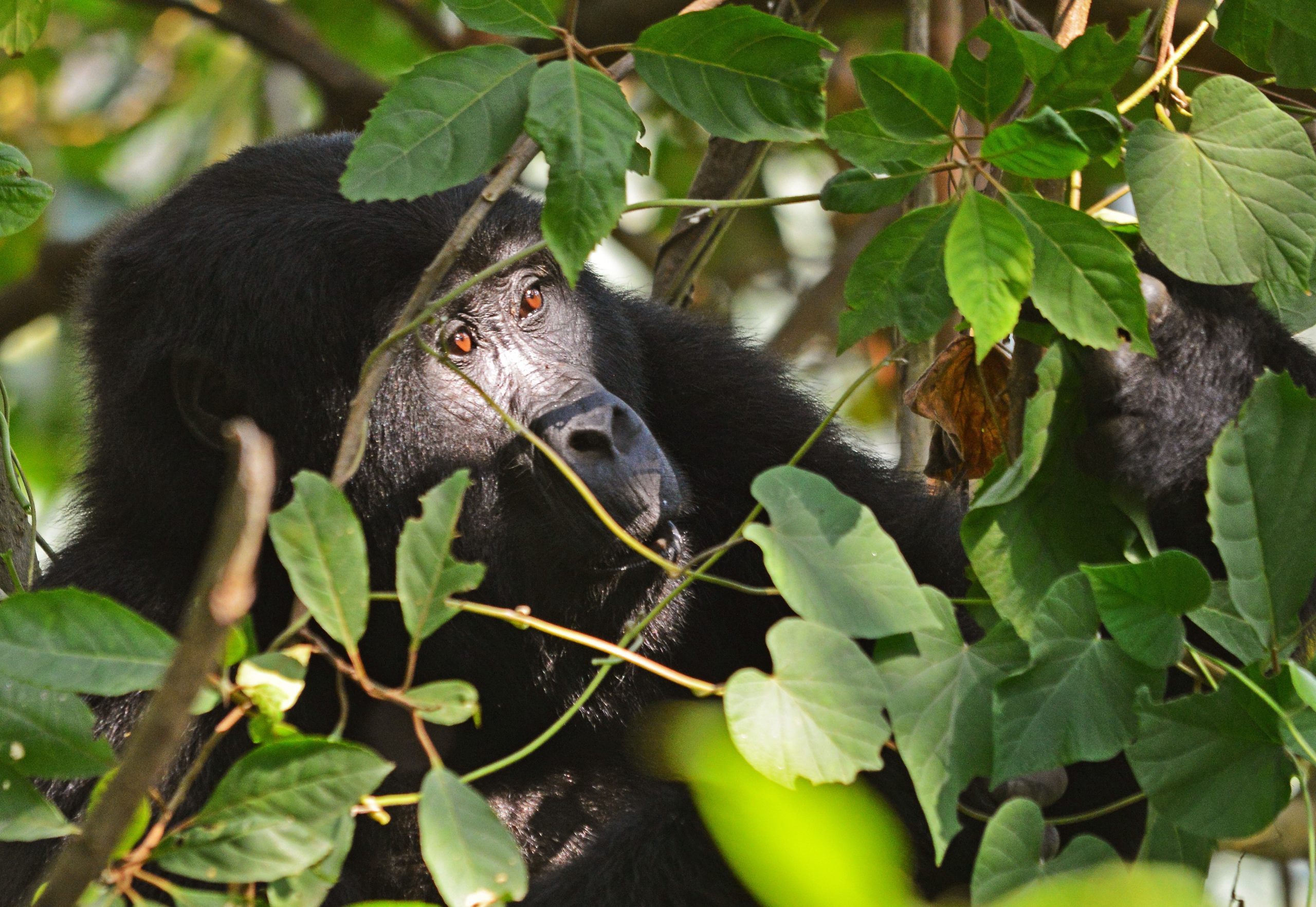
Bwindi Impenetrable Forest is famous primarily because it is one of the world’s most important sanctuaries for mountain gorillas, offering some of the best and most reliable gorilla trekking experiences on Earth. Located in southwestern Uganda, this ancient rainforest is also celebrated for its extraordinary biodiversity, dramatic landscapes, and cultural richness making it far more than “just” a gorilla destination.
Whether you’re planning a once-in-a-lifetime primate safari, a birding-focused expedition, or a rainforest hiking holiday, Bwindi stands out as a globally significant conservation area and one of Uganda’s flagship attractions.
1) Bwindi is one of the best places on Earth for Mountain Gorilla Trekking
The single biggest reason Bwindi is famous is its role as a stronghold for endangered mountain gorillas (Gorilla beringei beringei). A substantial portion of the world’s remaining mountain gorillas live in the Bwindi–Virunga landscape, and Bwindi is among the most visited sites because it offers multiple habituated gorilla families spread across several trekking sectors.
Why gorilla trekking here is so special
- High conservation value: permit fees support protection, ranger programs, and community initiatives.
- Multiple trekking sectors: helps distribute visitors and offers varied terrain/forest experiences.
- Authentic rainforest setting: dense vegetation, misty valleys, and ancient forest ambiance.
- Powerful wildlife encounter: a regulated, intimate hour with gorillas (after locating them) is deeply memorable.
2) It’s a UNESCO World Heritage Site with an Ancient, “Impenetrable” Rainforest
Bwindi’s fame is also tied to its global recognition as a UNESCO World Heritage Site. The “Impenetrable” description is not just marketing: the forest is dense, tangled, and lush shaped by steep ridges, narrow valleys, and thick undergrowth that historically made it difficult to traverse.
What that means for visitors
- The scenery is dramatic and wild, with frequent mist and layered green hills.
- Trekking can be physically demanding, which adds to its reputation as a true adventure.
- The rainforest ecosystem feels untamed compared to more open savannah parks.
3) Bwindi is a Biodiversity Hotspot
While gorillas dominate headlines, Bwindi is famous among nature lovers for its sheer ecological richness. The park shelters an exceptional variety of plant and animal life, including numerous endemic and Albertine Rift specialties.
Highlights beyond gorillas
- Primates: chimpanzees (less commonly seen than in other parks), L’Hoest’s monkey, black-and-white colobus, blue monkey, and more.
- Birdlife: Bwindi is a world-class birding destination, known for Albertine Rift endemics.
- Butterflies and botany: prolific insect life and diverse forest flora contribute to its scientific importance.
4) It’s One of Africa’s Top Birding Destinations
Bwindi’s fame in birding circles is enormous. The mix of altitude, forest type, and Albertine Rift geography supports a high number of species including many that are difficult to see elsewhere.
Why birders love Bwindi
- Excellent chances to spot Albertine Rift endemics
- Trails that pass through different forest strata and habitats
- Options to combine birding with gorilla trekking for an “all-in-one” rainforest trip
Tip: If birding is a priority, ask for an itinerary that includes extra forest walks (not just the gorilla trek day).
5) It Offers Multiple Trekking Sectors and Visitor Experiences
Bwindi is not a single trail or a single “entry.” It’s a large park with multiple trekking areas (often referred to as sectors). Each sector has different access routes, lodge options, and gorilla families contributing to Bwindi’s popularity because it can accommodate diverse travel styles and budgets.
Common traveler experiences include
- Gorilla trekking (standard)
- Gorilla habituation experience (where available; longer time with a group under habituation protocols)
- Guided forest walks and waterfall hikes
- Community and cultural visits around the park edges
6) Strong Conservation Success Story
Bwindi is famous as a conservation model where protected areas, tourism revenue, research, and community involvement intersect. Gorilla tourism when carefully regulated has helped fund protection and create incentives for conservation.
What makes the conservation approach notable
- Strict permit controls to manage visitor impact
- Ranger protection and ongoing monitoring of gorilla groups
- Community benefits (jobs, enterprise opportunities, revenue sharing in some cases)
- International interest and research into gorilla ecology and health
This conservation reputation is part of why Bwindi is referenced so often in documentaries, academic studies, and global tourism features.
7) Deep Cultural Significance: Communities Around Bwindi
The human story around Bwindi also adds to its fame. Local communities, including the Batwa (often referred to as forest peoples), have cultural traditions closely tied to the forest landscape. Many visitors choose to add community based experiences to better understand the region’s history and present-day livelihoods.
Cultural activities often include
- Guided community walks
- Traditional storytelling and dance (where offered)
- Craft markets and local enterprise visits
- Interpretive experiences discussing forest heritage
When done thoughtfully, these activities can enrich a trip beyond wildlife viewing.
8) Bwindi is a Photographer’s Dream
Bwindi’s visual signature mist, shafts of light, mossy trees, and layered greenery—has made it famous among photographers. The forest mood is cinematic, and the gorilla encounter is one of the most compelling wildlife photography moments in Africa.
Photography tips (practical)
- Bring rain protection (for gear and yourself)
- Use a fast lens (forest light can be dim)
- Keep ISO flexibility for shaded conditions
- Expect mud and moisture—plan accordingly
9) When to Visit Bwindi (Seasons & Conditions)
Bwindi can be visited year-round, but conditions shift based on rainfall patterns. Many travelers aim for drier months for easier hiking, though the forest is always humid and can still be wet.
General planning considerations
- Drier periods: trails are less slippery; hikes may be easier
- Wetter periods: lush scenery and fewer crowds, but trekking can be more strenuous
- Permit demand: popular periods book up; plan well ahead
10) How Bwindi Fits into a Larger Uganda Safari
Another reason Bwindi is famous is how well it pairs with Uganda’s other iconic experiences. Many visitors combine gorilla trekking with:
- Queen Elizabeth National Park (savannah wildlife + Kazinga Channel boat)
- Kibale Forest (chimpanzee trekking)
- Lake Bunyonyi (rest and scenery near Bwindi)
- Murchison Falls (waterfalls + big game)
Practical Tips for Visiting Bwindi (What to Expect)
Trekking difficulty
Bwindi trekking can range from moderate to hard depending on where the gorillas are that day. Expect steep slopes, thick vegetation, and variable hiking time.
What to pack (essentials)
- Sturdy hiking boots with good grip
- Long sleeves/trousers (nettles, insects, vegetation)
- Rain jacket/poncho
- Garden gloves (helpful for grabbing vines/branches)
- Water, snacks, and a small daypack
- Trekking pole (often available locally)
Health and etiquette
- Follow ranger instructions closely
- Keep a respectful distance from gorillas
- Don’t trek if you are unwell (respiratory illnesses are a major concern)
FAQ: Bwindi Impenetrable Forest
1) Why is Bwindi called “Impenetrable”?
Because of its dense vegetation and rugged terrain thick undergrowth, tangled vines, and steep valleys historically made it difficult to pass through.
2) Is Bwindi the best place to see mountain gorillas in Uganda?
It is one of the best and most famous places, with many habituated groups and established trekking sectors. Another key gorilla area in Uganda is Mgahinga Gorilla National Park, but Bwindi generally offers more trekking options.
3) How long does a gorilla trek in Bwindi take?
It varies widely anywhere from about 2 to 8 hours total (sometimes more), depending on where the gorilla family is located that day and the terrain.
4) Can I do Bwindi as part of a longer Uganda safari?
Yes. Many travelers combine Bwindi with Queen Elizabeth, Kibale, Lake Bunyonyi, and/or Murchison Falls for a broader wildlife and landscape experience.
5) What else can I do in Bwindi besides gorilla trekking?
You can add guided nature walks, birding, waterfall hikes, and community/cultural experiences around the park making it a strong destination even for travelers who want more than a single trek.