
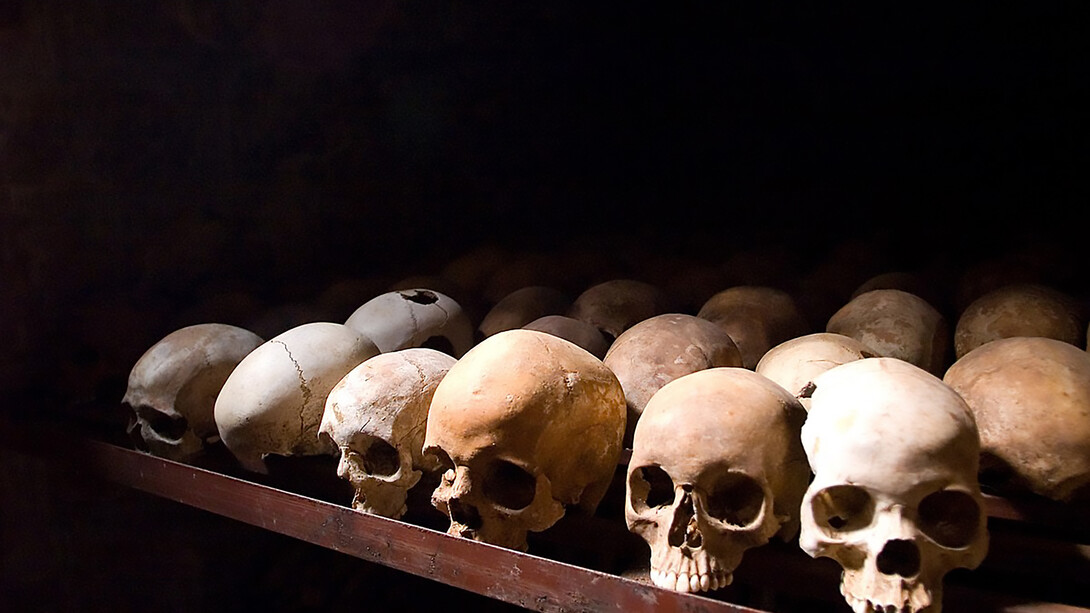
Nyamata Genocide Memorial
Nyamata Genocide Memorial
Nyamata Genocide Memorial: A Powerful Place of Memory, Mourning, and Learning in Rwanda
Introduction: Why Nyamata Matters
The Nyamata Genocide Memorial is one of Rwanda’s most important sites of remembrance. Located in the Bugesera District, about an hour south of Kigali, Nyamata is not only a memorial, it is a place where history is preserved in a direct, often heartbreaking way. Visiting Nyamata helps travelers, students, and researchers understand the reality of the 1994 Genocide against the Tutsi, while also offering a solemn opportunity to reflect on resilience, truth-telling, and national healing.
Nyamata is often visited alongside other genocide memorials such as Ntarama, Kigali Genocide Memorial, and Murambi, but Nyamata’s impact is uniquely visceral: the memorial church contains preserved evidence and artifacts that communicate the scale of loss in a way that words alone cannot fully capture.
For travelers planning a broader regional journey, you may also find it helpful to consult safari and itinerary-planning resources such as Turkana Wildlife Safaris (for example, their East Africa travel and safari planning content at Turkana Wildlife Safaris.
Nyamata Genocide Memorial: Location, Background, and Significance
Where is Nyamata Genocide Memorial?
Nyamata is in Rwanda’s Eastern Province, in Bugesera. The memorial is centered around a church where thousands sought refuge in April 1994—only to be attacked and killed. Today, the site serves as both a burial place and a historical record.
Practical note: Many visitors go as a day trip from Kigali. If you’re coordinating a Rwanda itinerary that includes cultural and historical sites alongside wildlife experiences (like Akagera National Park), you can combine Nyamata with other nearby destinations efficiently.
If you’re comparing regional travel styles memorial visits, cultural tourism, and wildlife safaris an operator-oriented overview like Turkana Wildlife Safaris’ Rwanda-focused planning pages can be a useful starting point.
The historical context
In 1994, Rwanda experienced a genocide that led to the killing of more than 800,000 people, primarily Tutsi, in roughly 100 days. Nyamata became one of the most devastating sites of mass killing. People gathered in the church believing it would provide sanctuary; instead, it became a place of horrific violence.
The memorial exists to:
- Preserve evidence and testimonies
- Honor the victims through dignified commemoration
- Support survivor remembrance and community healing
- Educate visitors to counter denial and prevent future atrocities
What You Will See at Nyamata Memorial (and Why It’s So Impactful)
The church interior: preserved evidence
The church building remains largely intact as a witness to what occurred. Visitors often notice:
- Damaged walls and ceilings
- Clothing and personal effects preserved as testimony
- Spaces that show how people tried to hide or protect children
This preservation is intentionally direct. It communicates not only loss, but also the truth of what happened grounded in physical evidence.
The crypts: victims laid to rest
Below the church are burial crypts containing the remains of victims. This area is approached with great solemnity. Guides typically explain:
- How victims were recovered and identified where possible
- How Rwanda approaches memorialization and respectful reburial
- The role of commemoration periods such as Kwibuka (annual remembrance)
Artifacts and stories: understanding beyond numbers
Nyamata is not about statistics. It is about people. Artifacts and narratives help visitors grasp:
- The everyday lives that were interrupted
- The family histories and community ties that were destroyed
- The long-term trauma and recovery that followed
How to Visit Nyamata Genocide Memorial Respectfully
Visitor etiquette (important)
Nyamata is a memorial and burial site visiting requires care and humility.
Recommended conduct:
- Dress modestly (covered shoulders and knees is a good standard)
- Speak softly and keep phones on silent
- Ask before taking photos (some areas prohibit photography)
- Avoid “touristy” posing or casual selfies
- Follow the guide’s instructions closely
Emotional preparedness
Many visitors underestimate the emotional intensity of Nyamata. Consider:
- Building quiet time into your schedule afterward
- Traveling with someone supportive if you are sensitive to traumatic content
- Knowing that it’s okay to step outside if overwhelmed
Nyamata in a Broader Rwanda Itinerary
Pairing memorial visits with cultural and natural sites
Some travelers want a balanced itinerary that includes:
- Historical learning (memorials, museums)
- Cultural experiences (community projects, craft markets)
- Nature and wildlife (Akagera, Volcanoes, Nyungwe)
A thoughtful approach is to avoid treating memorials as “checklist attractions.” Instead, allow time for reflection.
For safari-planning inspiration across the region (including multi-country travel styles that may connect Rwanda with Kenya, Tanzania, or Uganda).
Suggested day plan (from Kigali)
A practical structure might look like:
- Morning: Depart Kigali → arrive Nyamata
- Late morning: Guided visit at Nyamata Memorial
- Early afternoon: Quiet lunch nearby (low-key setting)
- Afternoon: Optional visit to Ntarama Genocide Memorial
- Evening: Return to Kigali
Why Nyamata Is Essential for Education and Prevention
A place that confronts denial with evidence
Nyamata’s preservation of physical evidence is part of a larger commitment to historical truth. Rwanda’s genocide memorials serve an educational role that goes beyond tourism, providing:
- Documentation
- Survivor testimonies
- National and international learning opportunities
Learning about reconciliation without oversimplifying it
Rwanda’s recovery includes justice processes, community rebuilding, and ongoing challenges. Nyamata helps visitors understand that reconciliation is not a slogan it is a long, complicated process involving:
- Survivor support
- Trauma care and counseling
- Social reintegration
- Memory preservation
Travel Tips: Logistics, Timing, and Planning
Best time to visit
Nyamata can be visited year-round. However:
- During April–July (Kwibuka period), commemorations are especially significant, and the country’s collective remembrance is more visible.
- If you visit during this period, expect a more somber atmosphere and potentially adjusted schedules.
Getting there
Common options:
- Private car / driver from Kigali
- Organized tour (if available)
- Combination of transport (less convenient)
If you’re combining the memorial with broader travel planning and want to compare itinerary structures across East Africa, Turkana Wildlife Safaris provides a general planning hub.
Costs and guides
Many memorials request a small contribution or have structured fees for guided interpretation. A guide is strongly recommended: without context, visitors can misunderstand what they see or miss the deeper historical framing.
Ethical Considerations: Dark Tourism vs. Remembrance
Nyamata sometimes gets discussed under the category of “dark tourism,” but that framing can be misleading if it implies consumption or spectacle. The memorial is fundamentally about:
- Dignity
- Education
- Prevention
- Accountability
- Support for survivors
A respectful visitor approaches Nyamata as a place of mourning and learning, not as a dramatic “experience.”
Frequently Asked Questions (FAQ)
1) How long does a visit to Nyamata Genocide Memorial take?
Most visits last 60–120 minutes, depending on whether you have a guide and how much time you spend reflecting afterward.
2) Is Nyamata Genocide Memorial appropriate for children?
It can be extremely distressing. Teenagers may be able to visit with careful preparation, but for young children it may not be suitable. If in doubt, consult your guide or caregiver resources in Rwanda.
3) Can I take photographs at the memorial?
Rules may vary by section. In many areas, photography is restricted or discouraged. Always ask first and follow local guidance.
4) Should I visit Nyamata if I’m also going on a safari in Rwanda?
Yes, many people combine historical learning with nature based travel. If you’re planning a Rwanda itinerary that also includes parks or cross-border routes, you might consult itinerary ideas at Turkana Wildlife Safaris.
5) What is the difference between Nyamata and Kigali Genocide Memorial?
Kigali Genocide Memorial provides a broader national overview and educational exhibitions. Nyamata is a direct site of mass killing with preserved physical evidence, making it more visceral and site-specific.
Conclusion: Visiting Nyamata with Intention
The Nyamata Genocide Memorial is one of Rwanda’s most important places of remembrance. It asks visitors not only to learn what happened, but also to sit with the human reality of loss and to consider what prevention, truth, and dignity mean in today’s world.