
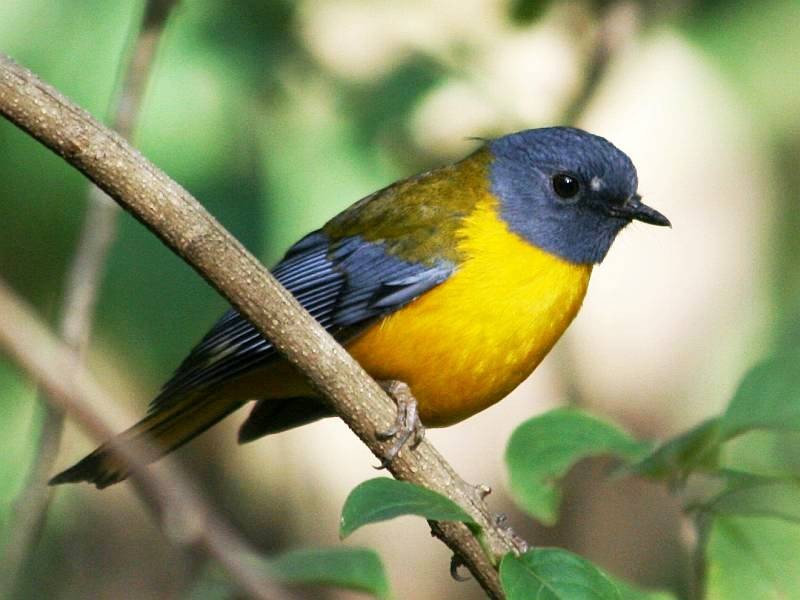
White-Starred Robin
White-Starred Robin
The Enigmatic White-starred Robin: A Deep Dive into Africa’s Hidden Avian Gem
Introduction
Tucked away in the dense, misty forests of sub-Saharan Africa, a small yet striking songbird flits between branches, its melodious call echoing through the undergrowth. This elusive creature is the White-starred Robin (Pogonocichla stellata), a bird that, while not widely known, plays a vital role in the ecological tapestry of its habitat. With its vivid plumage, distinctive white throat patch, and secretive behavior, the White-starred Robin is a marvel of avian evolution and a subject of fascination for ornithologists and birdwatchers alike.
In this comprehensive guide, we will explore the biology, habitat, behavior, conservation status, and cultural significance of this remarkable bird. Whether you’re a seasoned birder or a curious nature enthusiast, this article offers a detailed look into one of Africa’s most captivating feathered inhabitants.
Taxonomy and Classification
The White-starred Robin belongs to the Muscicapidae family, commonly known as the Old World flycatchers. This family includes a diverse range of insectivorous birds known for their agility and vibrant songs.
- Scientific Name: Pogonocichla stellata
- Family: Muscicapidae
- Genus: Pogonocichla (monotypic, containing only this species)
- Common Names: White-starred Robin, Starred Forest Robin
The genus name Pogonocichla is derived from Greek, meaning “bearded thrush,” a nod to the bird’s subtly ruffled throat feathers.
Physical Description
The White-starred Robin is a small to medium-sized bird, measuring approximately 15–17 cm in length. Its most distinctive feature is the white star-shaped patch on its throat, which contrasts sharply with its otherwise dark, olive-green and yellow plumage.
Key Features:
- Throat: Bright white patch in the shape of a star
- Underparts: Vivid yellow belly and flanks
- Upperparts: Olive-green to dark gray back and wings
- Eyes: Large, dark eyes with a curious expression
- Bill: Short, straight, and black—ideal for catching insects
This striking appearance allows it to blend into the forest shadows while still being identifiable to those with a keen eye.
Geographic Range and Habitat
The White-starred Robin is native to the montane forests of central and eastern Africa. Its range spans several countries, including:
- Democratic Republic of Congo
- Uganda
- Rwanda
- Burundi
- Tanzania
- Malawi
- Zambia
- Mozambique
Preferred Habitats:
- Moist montane forests
- Dense undergrowth and forest edges
- Elevations between 1,000 and 3,000 meters
These birds are particularly fond of Afromontane forests, where the cool, humid climate supports a rich diversity of flora and fauna. Their elusive nature makes them difficult to spot, but their distinctive song often gives away their presence.
Behavior and Ecology
Feeding Habits
The White-starred Robin is primarily insectivorous, feeding on a variety of small invertebrates. It forages close to the ground, flicking through leaf litter and probing mossy logs.
Diet Includes:
- Beetles
- Caterpillars
- Spiders
- Ants
- Occasionally small fruits and berries
Its foraging behavior is both methodical and energetic, often accompanied by tail flicks and wing quivers.
Vocalizations
One of the most captivating aspects of this bird is its melodic song, which consists of a series of clear, whistled notes. Males sing to establish territory and attract mates, often from concealed perches.
Listen to the White-starred Robin’s song on Xeno-canto.
Breeding and Nesting
The breeding season varies by region but generally coincides with the rainy season when food is abundant.
- Nest: Cup-shaped, built from moss, leaves, and rootlets
- Location: Hidden in dense vegetation or tree crevices
- Clutch Size: 2–3 eggs
- Incubation: Primarily by the female, lasting about 14–16 days
Both parents participate in feeding the chicks, which fledge roughly two weeks after hatching.
Conservation Status
According to the IUCN Red List, the White-starred Robin is currently listed as Least Concern. However, this status does not imply immunity from threats.
Threats to Survival:
- Deforestation: Logging and agricultural expansion are the primary threats
- Habitat Fragmentation: Isolates populations and reduces genetic diversity
- Climate Change: Alters montane ecosystems and food availability
Conservation efforts focus on preserving montane forest habitats and promoting sustainable land-use practices.
Cultural and Ecological Significance
In many African cultures, birds are seen as messengers or omens, and the White-starred Robin is no exception. Its elusive nature and haunting song have earned it a place in local folklore as a guardian of the forest.
Ecologically, it plays a crucial role in insect population control and seed dispersal, contributing to the health and regeneration of forest ecosystems.
Birdwatching Tips: Spotting the White-starred Robin
Catching a glimpse of this shy bird requires patience and a bit of luck. Here are some tips for birdwatchers:
- Visit Early: Dawn is the best time to hear and see them
- Stay Quiet: Sudden movements or noise will scare them off
- Use Binoculars: Look for movement near the forest floor
- Listen for Songs: Their calls are often the first clue
Top birding locations include:
- Nyungwe Forest National Park, Rwanda
- Udzungwa Mountains, Tanzania
- Mount Mulanje, Malawi
The Role of Citizen Science
Birdwatchers and nature enthusiasts can contribute to the conservation of the White-starred Robin by participating in citizen science platforms such as:
These platforms help track population trends and habitat changes, providing valuable data for researchers.
Fascinating Facts About the White-starred Robin
- 🐦 It is the only species in its genus, making it taxonomically unique.
- 🌲 It prefers forests that are at least 100 years old, indicating its reliance on mature ecosystems.
- 🎶 Its song is often mistaken for that of other forest robins, showing the complexity of avian communication.
- 🧭 It exhibits altitudinal migration, moving to lower elevations during colder months.
- 🐛 It can consume up to 50 insects per hour during peak feeding times.
How You Can Help
Even if you’re not in Africa, there are ways to support the conservation of the White-starred Robin:
- Donate to organizations like BirdLife International
- Support eco-tourism initiatives in African countries
- Raise awareness through social media and educational programs
- Reduce your carbon footprint to combat climate change
Frequently Asked Questions (FAQ)
1. What makes the White-starred Robin unique among African birds?
The White-starred Robin stands out due to its distinctive white throat patch, melodic song, and its status as the only species in its genus. It occupies a specialized niche in montane forests, making it an important indicator of forest health.
2. Where can I see the White-starred Robin in the wild?
You can spot this bird in montane forests across central and eastern Africa, particularly in protected areas like Nyungwe Forest in Rwanda and the Udzungwa Mountains in Tanzania. Early morning birdwatching tours increase your chances of a sighting.
3. Is the White-starred Robin endangered?
Currently, it is listed as Least Concern by the IUCN, but ongoing threats like deforestation and climate change could impact its population in the future.
4. What does the White-starred Robin eat?
Its diet consists mainly of insects such as beetles, spiders, and caterpillars. It also consumes small fruits and berries, particularly during the breeding season.
5. How can I contribute to its conservation?
You can support conservation efforts by donating to reputable organizations, participating in citizen science, and advocating for the protection of montane forest habitats.
Conclusion
The White-starred Robin is a symbol of the rich biodiversity hidden within Africa’s montane forests. Though small and secretive, it plays a vital role in maintaining ecological balance and serves as a reminder of the intricate interdependence of life. As we continue to explore and understand our natural world, birds like the White-starred Robin inspire us to protect the fragile ecosystems they call home.
Whether you’re an ornithologist, a conservationist, or simply someone who appreciates the beauty of nature, the story of the White-starred Robin is one worth knowing—and preserving.