
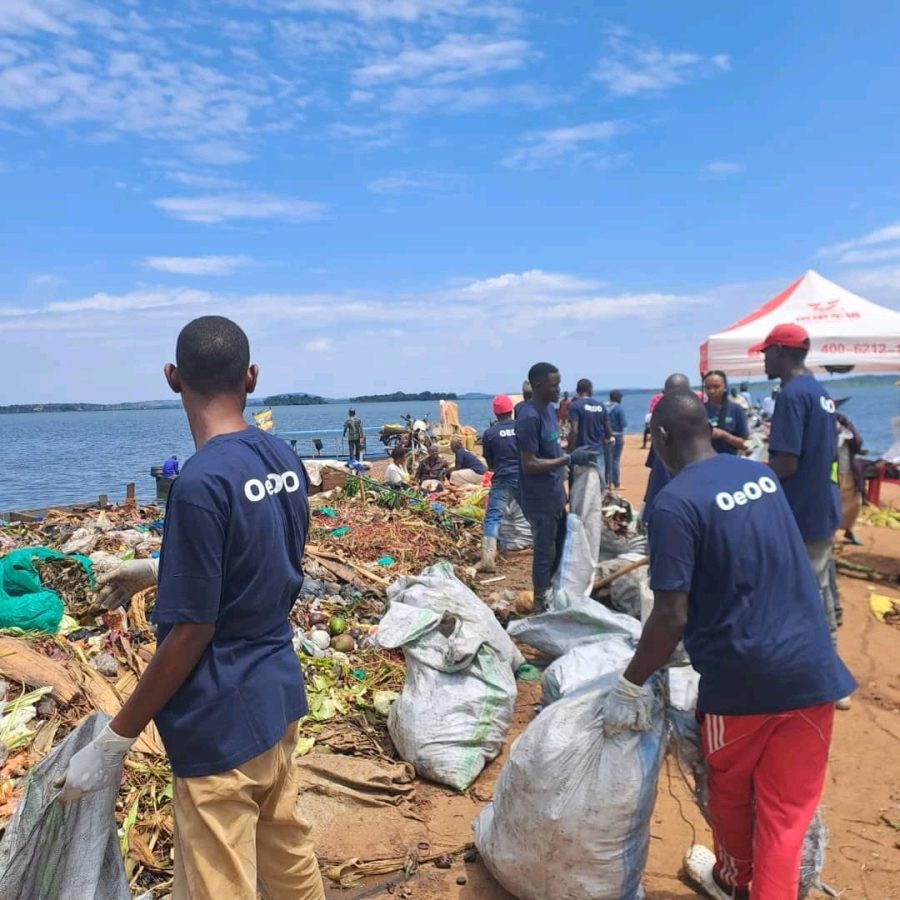
Lake Victoria Conservation
Lake Victoria Conservation
Lake Victoria Conservation: A Comprehensive Guide to Protecting Africa’s Largest Lake
Introduction
Lake Victoria, the largest lake in Africa and the second-largest freshwater lake in the world, is a vital resource for millions of people across East Africa. Spanning three countries—Tanzania, Uganda, and Kenya—this vast body of water provides not only sustenance but also economic opportunities through fishing, agriculture, and transportation. However, Lake Victoria is facing numerous environmental challenges, including pollution, invasive species, and climate change, which threaten its biodiversity and the livelihoods of those who depend on it.
In this article, we will explore the importance of Lake Victoria conservation, the threats it faces, and the ongoing efforts to protect it. We will also provide actionable steps that individuals, governments, and organizations can take to contribute to the preservation of this critical ecosystem.
The Importance of Lake Victoria
Ecological Significance
Lake Victoria is home to a diverse range of species, including over 500 species of fish, many of which are endemic to the lake. The lake’s rich biodiversity supports not only the local ecosystem but also the global environment. For example, the Nile perch, an invasive species introduced in the 1950s, has drastically altered the lake’s ecosystem, leading to the extinction of many native fish species. However, the lake still harbors a wealth of biodiversity that is crucial to maintaining ecological balance.
Economic Importance
The lake supports the livelihoods of over 40 million people who live in its basin. Fishing is a major industry, with Lake Victoria providing approximately 1 million tons of fish annually. The lake also supports agriculture, transportation, and tourism, making it a cornerstone of the regional economy. However, the degradation of the lake’s ecosystem threatens these industries, making conservation efforts all the more critical.
Threats to Lake Victoria
Pollution
One of the most significant threats to Lake Victoria is pollution. Industrial waste, agricultural runoff, and untreated sewage are major contributors to the lake’s declining water quality. The excessive use of fertilizers and pesticides in agriculture leads to nutrient pollution, which causes eutrophication—a process that depletes oxygen in the water and leads to the death of aquatic life.
Key Sources of Pollution:
- Industrial waste: Factories around the lake discharge untreated waste directly into the water.
- Agricultural runoff: Fertilizers and pesticides used in farming wash into the lake, contributing to nutrient pollution.
- Sewage: Many urban areas around the lake lack proper sewage treatment facilities, leading to the direct discharge of waste into the lake.
Invasive Species
The introduction of non-native species, such as the Nile perch and water hyacinth, has had devastating effects on Lake Victoria’s ecosystem. The Nile perch, a predatory fish, has decimated populations of native fish species, leading to a loss of biodiversity. The water hyacinth, a fast-growing aquatic plant, clogs waterways, disrupts fishing, and depletes oxygen levels in the water.
Climate Change
Climate change is exacerbating the challenges faced by Lake Victoria. Rising temperatures and changing rainfall patterns are affecting the lake’s water levels and altering its ecosystem. Increased evaporation rates and reduced rainfall are leading to lower water levels, while more frequent and intense storms are causing greater runoff and pollution.
Conservation Efforts
Government Initiatives
Governments in the Lake Victoria basin have recognized the importance of conserving the lake and have implemented various initiatives to address the environmental challenges it faces. The Lake Victoria Basin Commission (LVBC), an organization established by the East African Community, coordinates efforts to manage and conserve the lake’s resources.
Key Government Initiatives:
- The Lake Victoria Environmental Management Project (LVEMP): A multi-phase project aimed at reducing pollution, controlling invasive species, and promoting sustainable fishing practices.
- National policies: Each of the three countries bordering the lake—Tanzania, Uganda, and Kenya—has implemented national policies aimed at protecting the lake’s ecosystem.
NGO and Community Efforts
Non-governmental organizations (NGOs) and local communities are also playing a crucial role in Lake Victoria conservation. Organizations such as The Nature Conservancy and World Wildlife Fund (WWF) are working to restore the lake’s ecosystem through reforestation, pollution control, and the promotion of sustainable fishing practices.
Key NGO and Community Efforts:
- Reforestation projects: Planting trees around the lake to reduce soil erosion and runoff.
- Pollution control: Working with local industries and communities to reduce pollution entering the lake.
- Sustainable fishing: Promoting fishing practices that protect fish populations and the lake’s biodiversity.
International Support
International organizations and donors are also contributing to the conservation of Lake Victoria. The Global Environment Facility (GEF) and the World Bank have provided funding for various conservation projects, including the Lake Victoria Environmental Management Project.
How You Can Help
While governments, NGOs, and international organizations are leading the charge in Lake Victoria conservation, individuals can also play a role in protecting this vital resource. Here are some ways you can contribute:
- Reduce plastic use: Plastic waste is a major pollutant in Lake Victoria. By reducing your use of plastic, you can help reduce the amount of waste that ends up in the lake.
- Support sustainable products: Choose products that are sustainably sourced and produced, particularly when it comes to fish and agricultural products from the Lake Victoria region.
- Get involved: Support NGOs and community organizations working to protect Lake Victoria by donating your time or money.
The Future of Lake Victoria
The future of Lake Victoria depends on the collective efforts of governments, organizations, and individuals. While the challenges are significant, there is hope that with continued conservation efforts, the lake’s ecosystem can be restored and preserved for future generations.
Key Actions for the Future:
- Strengthening pollution control measures: Governments and industries must work together to reduce pollution entering the lake.
- Controlling invasive species: Efforts to control the spread of invasive species, such as the Nile perch and water hyacinth, must be intensified.
- Promoting sustainable development: Economic development in the Lake Victoria basin must be balanced with environmental conservation to ensure the long-term health of the lake.
Conclusion
Lake Victoria is a vital resource for millions of people and a unique ecosystem that must be protected. The challenges it faces—pollution, invasive species, and climate change—are significant, but with coordinated efforts from governments, NGOs, and individuals, there is hope for the future of this critical lake. By taking action now, we can ensure that Lake Victoria continues to provide for the people and wildlife that depend on it for generations to come.
FAQ
1. What is the main cause of pollution in Lake Victoria?
The main causes of pollution in Lake Victoria are industrial waste, agricultural runoff, and untreated sewage. These pollutants lead to nutrient pollution, which causes eutrophication and depletes oxygen levels in the water.
2. How does the Nile perch affect Lake Victoria’s ecosystem?
The Nile perch is an invasive species that preys on native fish species, leading to a significant loss of biodiversity in Lake Victoria. Its introduction has caused the extinction of many native fish species.
3. What role do NGOs play in Lake Victoria conservation?
NGOs play a crucial role in Lake Victoria conservation by implementing projects such as reforestation, pollution control, and promoting sustainable fishing practices. They work alongside governments and local communities to protect the lake’s ecosystem.
4. How is climate change affecting Lake Victoria?
Climate change is affecting Lake Victoria by altering rainfall patterns and increasing evaporation rates, which leads to lower water levels. More frequent and intense storms also contribute to greater runoff and pollution.
5. How can individuals contribute to Lake Victoria conservation?
Individuals can contribute to Lake Victoria conservation by reducing plastic use, supporting sustainable products, and getting involved with NGOs and community organizations working to protect the lake.