
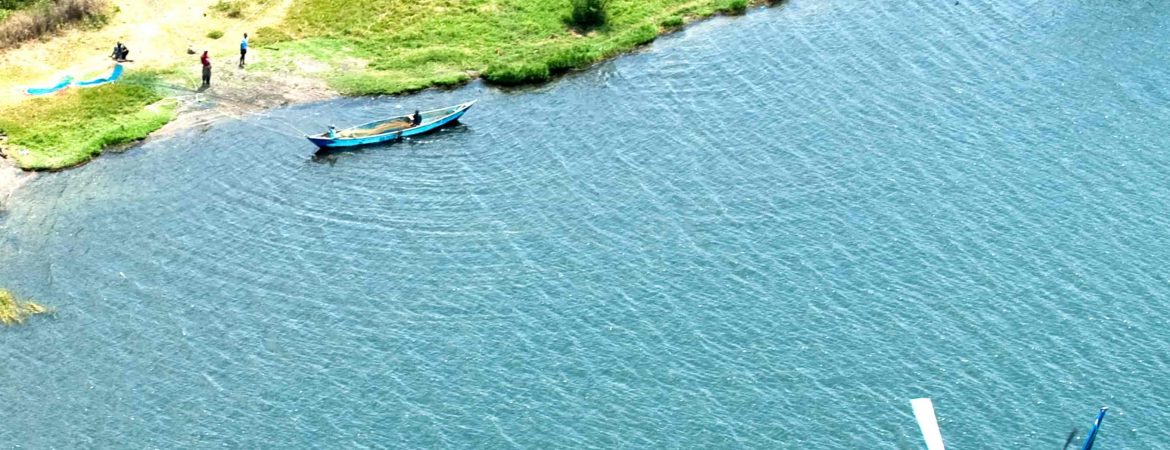
Lake Victoria Countries
Lake Victoria Countries
Lake Victoria Countries: A Comprehensive Overview
Introduction
Lake Victoria, the largest lake in Africa and the second-largest freshwater lake in the world by surface area, is a vital natural resource. It spans three countries—Tanzania, Uganda, and Kenya—and plays a crucial role in the economy, ecology, and culture of these nations. This article will delve into the significance of Lake Victoria, its surrounding countries, and the challenges they face in managing this shared resource.
The Geography of Lake Victoria
Lake Victoria covers an impressive 68,800 square kilometers, making it a dominant feature in the East African landscape. The lake is part of the Great African Lakes system and is fed by numerous rivers, the most significant being the Kagera River. The lake is also the source of the White Nile, which eventually flows into the Mediterranean Sea.
Countries Surrounding Lake Victoria
1. Tanzania
Tanzania holds the largest portion of Lake Victoria, covering approximately 49% of the lake’s surface area. The Tanzanian city of Mwanza, located on the southern shore of the lake, is a key economic hub, particularly for the fishing industry. Tanzania’s portion of the lake is rich in biodiversity, including the famous Nile perch, which has become both a blessing and a curse for the local ecosystem.
2. Uganda
Uganda controls about 45% of Lake Victoria, with the city of Entebbe being a major urban center on its shores. The lake is a critical resource for Uganda, providing water, transportation, and food. Uganda also benefits from the lake’s connection to the Nile River, which is a significant source of hydroelectric power.
3. Kenya
Kenya has the smallest share of Lake Victoria, with only 6% of the lake’s surface area. However, the Kenyan city of Kisumu is an important port and commercial center. Kenya’s portion of the lake is vital for the country’s fishing industry, although it faces significant environmental challenges, including pollution and overfishing.
The Importance of Lake Victoria
Lake Victoria is not just a geographical feature; it is a lifeline for millions of people in East Africa. The lake supports a wide range of activities, including:
- Fishing: Lake Victoria is home to a thriving fishing industry, particularly for Nile perch and tilapia. This industry provides employment for millions of people in the surrounding countries.
- Transportation: The lake serves as a major transportation route, with ferries and boats connecting various cities and towns along its shores.
- Agriculture: The fertile lands around Lake Victoria are ideal for agriculture, particularly for crops like bananas, maize, and cassava.
- Tourism: The lake’s scenic beauty and rich biodiversity attract tourists from around the world, contributing to the local economies.
Environmental Challenges
Despite its importance, Lake Victoria faces numerous environmental challenges. These include:
- Pollution: Industrial waste, agricultural runoff, and untreated sewage are major sources of pollution in the lake. This has led to the growth of harmful algae blooms, which deplete oxygen levels and threaten aquatic life.
- Overfishing: The introduction of the Nile perch in the 1950s has led to the decline of native fish species, disrupting the lake’s ecosystem. Overfishing has further exacerbated this problem, putting pressure on fish stocks.
- Invasive Species: In addition to the Nile perch, other invasive species like the water hyacinth have spread across the lake, choking waterways and making navigation difficult.
- Climate Change: Rising temperatures and changing rainfall patterns are affecting the water levels in Lake Victoria, which could have long-term consequences for the millions of people who depend on the lake for their livelihoods.
Efforts to Protect Lake Victoria
Recognizing the importance of Lake Victoria, the governments of Tanzania, Uganda, and Kenya have taken steps to address the environmental challenges facing the lake. Some of these efforts include:
- The Lake Victoria Basin Commission (LVBC): Established in 2001, the LVBC is a regional body that coordinates efforts to manage and protect the lake’s resources. The commission works on issues such as water quality, fisheries management, and pollution control.
- Community-Based Conservation: Local communities around the lake are increasingly involved in conservation efforts, such as reforestation projects and sustainable fishing practices.
- International Support: Various international organizations, including the World Bank and the United Nations, have provided funding and technical assistance for projects aimed at improving the health of Lake Victoria.
The Future of Lake Victoria
The future of Lake Victoria depends on the ability of Tanzania, Uganda, and Kenya to work together to address the environmental challenges facing the lake. While progress has been made, much more needs to be done to ensure that the lake remains a viable resource for future generations.
Key Areas for Future Action
- Sustainable Fishing Practices: Implementing stricter regulations on fishing and promoting sustainable practices will be crucial for preserving the lake’s fish stocks.
- Pollution Control: Reducing pollution from industrial and agricultural sources will be essential for improving water quality and protecting aquatic life.
- Climate Change Adaptation: Developing strategies to cope with the impacts of climate change, such as fluctuating water levels and changing weather patterns, will be vital for the long-term health of the lake.
Conclusion
Lake Victoria is a vital resource for Tanzania, Uganda, and Kenya, providing food, water, and livelihoods for millions of people. However, the lake faces significant environmental challenges that require coordinated action from all three countries. By working together and implementing sustainable practices, it is possible to protect Lake Victoria for future generations.
Frequently Asked Questions (FAQ)
1. What countries border Lake Victoria?
Lake Victoria is bordered by three countries: Tanzania, Uganda, and Kenya.
2. Why is Lake Victoria important?
Lake Victoria is important for its role in supporting the fishing industry, providing transportation routes, and serving as a source of water for agriculture and hydroelectric power.
3. What are the main environmental challenges facing Lake Victoria?
The main environmental challenges include pollution, overfishing, the spread of invasive species, and the effects of climate change.
4. What is being done to protect Lake Victoria?
Efforts to protect Lake Victoria include the work of the Lake Victoria Basin Commission, community-based conservation projects, and international support from organizations like the World Bank.
5. How does climate change affect Lake Victoria?
Climate change affects Lake Victoria by altering rainfall patterns and water levels, which can impact the lake’s ecosystem and the livelihoods of people who depend on it.