
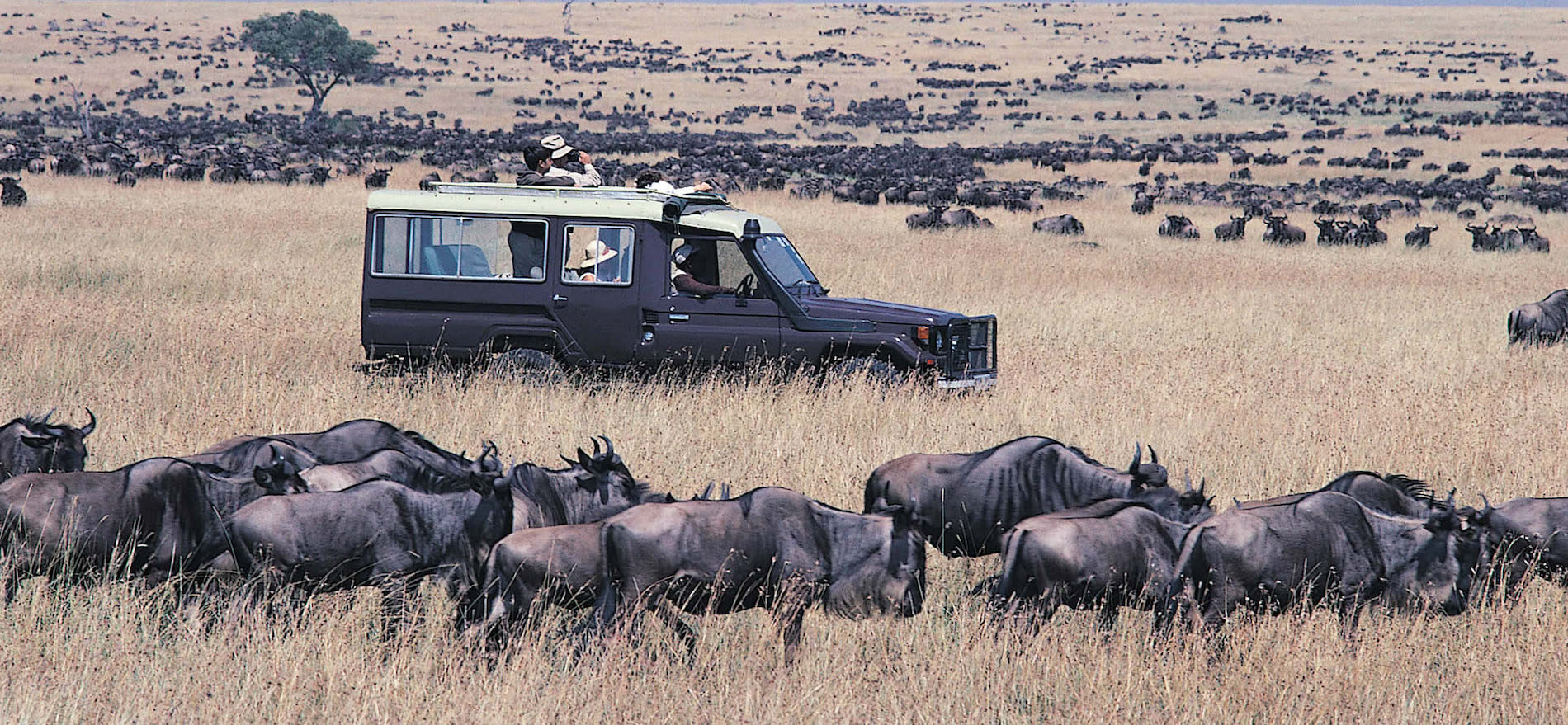
Wildebeest Migration Safari
Wildebeest Migration Safari
The Ultimate Guide to Wildebeest Migration Safari: An Unforgettable Adventure
The wildebeest migration is one of the most spectacular natural events on Earth. Every year, millions of wildebeest, along with zebras and gazelles, embark on a journey across the Serengeti-Mara ecosystem in search of fresh grazing lands. This awe-inspiring movement, often referred to as “The Great Migration,” is a bucket-list experience for nature lovers and wildlife enthusiasts alike.
In this comprehensive guide, we will explore everything you need to know about embarking on a wildebeest migration safari. From the best times to witness the migration, to the top locations and tips for maximizing your experience, this article will provide you with all the essential information you need to plan the perfect safari adventure.
What is the Wildebeest Migration?
The wildebeest migration is a continuous, circular movement of over 1.5 million wildebeest, accompanied by hundreds of thousands of zebras and gazelles, across the Serengeti in Tanzania and the Maasai Mara in Kenya. This migration is driven by the animals’ instinctive need to find fresh grazing lands and water, following seasonal rains.
The migration is not a singular event but a year-round cycle that involves calving, mating, and the perilous river crossings where many animals fall prey to predators such as crocodiles and lions. The migration is often divided into different stages, each offering unique wildlife viewing opportunities.
The Migration Cycle
The migration follows a predictable pattern, with the animals moving in response to the rains. Here’s a breakdown of the migration cycle:
- January to March: The calving season occurs in the southern Serengeti, where thousands of wildebeest calves are born. This is a prime time to witness predator-prey interactions, as lions, cheetahs, and hyenas are on the hunt.
- April to June: As the dry season begins, the herds start moving northward, crossing the central Serengeti and heading towards the Grumeti River.
- July to September: The famous river crossings occur during this period, particularly at the Mara River, where the wildebeest face the deadly challenge of crossing crocodile-infested waters.
- October to December: The herds move back south to the Serengeti, completing the cycle and preparing for the next calving season.
Best Time to Witness the Wildebeest Migration
The best time to witness the wildebeest migration depends on what part of the migration you want to experience. Each stage offers a different perspective on this incredible natural phenomenon.
- Calving Season (January to March): If you’re interested in seeing newborn wildebeest and predator action, this is the best time to visit the southern Serengeti.
- River Crossings (July to September): For those who want to witness the dramatic river crossings, the Maasai Mara in Kenya and the northern Serengeti are ideal locations during this period.
- The Return South (October to December): As the herds move back to the southern Serengeti, this is a quieter time to visit, with fewer tourists but still plenty of wildlife action.
Factors to Consider
When planning your safari, it’s important to consider factors such as weather, crowd levels, and accommodation availability. The peak tourist season typically coincides with the river crossings, so booking early is essential if you want to secure a spot during this time.
Top Locations for Wildebeest Migration Safari
The wildebeest migration spans two countries—Tanzania and Kenya—offering several prime locations for safari-goers. Each location provides a unique vantage point for observing the migration.
Serengeti National Park (Tanzania)
The Serengeti is the heart of the migration and offers some of the best wildlife viewing opportunities in the world. The park is divided into different regions, each offering a distinct experience:
- Southern Serengeti: Best for witnessing the calving season from January to March.
- Central Serengeti: Ideal for viewing the herds as they move northward in April and May.
- Western Serengeti: Known for the Grumeti River crossings in June and July.
- Northern Serengeti: The place to be for the dramatic Mara River crossings from July to September.
Maasai Mara National Reserve (Kenya)
The Maasai Mara is world-famous for its role in the wildebeest migration. The Mara River crossings, which occur from July to September, are one of the most iconic wildlife spectacles on the planet. The Maasai Mara also offers excellent year-round game viewing, with large populations of lions, elephants, and other wildlife.
Ngorongoro Conservation Area (Tanzania)
While not directly part of the migration route, the Ngorongoro Crater is a must-visit destination for any safari in Tanzania. The crater is home to a high concentration of wildlife, including the Big Five (lion, leopard, elephant, buffalo, and rhino), and offers stunning landscapes.
How to Plan Your Wildebeest Migration Safari
Planning a wildebeest migration safari requires careful consideration of several factors, including timing, location, and budget. Here are some tips to help you plan the perfect safari:
1. Choose the Right Time
As mentioned earlier, the best time to visit depends on which part of the migration you want to experience. If you’re flexible with your travel dates, consider visiting during the shoulder seasons (April to June or October to December) to avoid the crowds while still witnessing incredible wildlife.
2. Select Your Accommodation
There are various accommodation options available, ranging from luxury lodges to mobile tented camps that move with the migration. Some popular options include:
- Luxury Lodges: These offer high-end amenities and are often located in prime wildlife viewing areas.
- Tented Camps: For a more immersive experience, consider staying in a mobile tented camp that follows the migration.
- Budget Options: There are also more affordable options, such as basic campsites and mid-range lodges.
3. Book a Guided Safari
While it’s possible to go on a self-drive safari, booking a guided tour is highly recommended for the wildebeest migration. Experienced guides know the best locations for wildlife viewing and can provide valuable insights into animal behavior.
4. Pack Appropriately
Packing for a safari requires careful consideration of the weather and activities you’ll be doing. Some essential items to bring include:
- Binoculars: Essential for spotting wildlife from a distance.
- Camera: A good camera with a zoom lens is a must for capturing the action.
- Clothing: Pack lightweight, neutral-colored clothing for daytime and warmer layers for the cooler mornings and evenings.
- Sunscreen and Insect Repellent: Protect yourself from the sun and insects.
Wildlife to See During the Migration
While the wildebeest are the stars of the show, a wildebeest migration safari offers the chance to see a wide variety of wildlife. Some of the animals you can expect to encounter include:
- Zebras: Often seen accompanying the wildebeest herds.
- Gazelles: Thomson’s and Grant’s gazelles are common sights during the migration.
- Lions: The Serengeti and Maasai Mara are home to large lion populations, and the migration provides ample hunting opportunities for these predators.
- Cheetahs: These fast predators are often seen hunting during the calving season.
- Crocodiles: The Mara and Grumeti rivers are home to large crocodiles that prey on wildebeest during the river crossings.
- Elephants: While not directly part of the migration, elephants can be seen throughout the Serengeti and Maasai Mara.
Conservation and Sustainability
The wildebeest migration is not only a natural wonder but also a critical part of the Serengeti-Mara ecosystem. Conservation efforts are essential to ensure the survival of the migration and the wildlife that depends on it.
Threats to the Migration
Some of the main threats to the migration include:
- Habitat Loss: Human encroachment and agricultural expansion threaten the migration routes.
- Climate Change: Changes in rainfall patterns can disrupt the timing and movement of the herds.
- Poaching: While poaching has decreased in recent years, it remains a threat to wildlife in the region.
How You Can Help
As a responsible traveler, there are several ways you can support conservation efforts:
- Choose Eco-Friendly Lodges: Many lodges and camps in the Serengeti and Maasai Mara are committed to sustainability and conservation.
- Support Local Communities: By choosing locally-owned accommodations and tours, you can help support the communities that live alongside the migration.
- Donate to Conservation Organizations: Several organizations are working to protect the Serengeti-Mara ecosystem. Consider donating to support their efforts.
Frequently Asked Questions (FAQ)
1. What is the best time to see the wildebeest migration?
The best time to see the migration depends on what part of the migration you want to experience. For the calving season, visit from January to March. For the river crossings, July to September is ideal.
2. Where is the best place to witness the wildebeest migration?
The Serengeti in Tanzania and the Maasai Mara in Kenya are the best places to witness the migration. Each location offers unique wildlife viewing opportunities.
3. How long does the wildebeest migration last?
The migration is a year-round event, with different stages occurring at different times of the year. The entire cycle takes about 12 months to complete.
4. Is it safe to go on a wildebeest migration safari?
Yes, a wildebeest migration safari is generally safe, especially if you book with a reputable tour operator. Always follow the advice of your guide and stay within designated areas.
5. What should I pack for a wildebeest migration safari?
Some essential items to pack include binoculars, a camera, lightweight clothing, sunscreen, insect repellent, and comfortable walking shoes.
Conclusion
A wildebeest migration safari is a once-in-a-lifetime experience that offers unparalleled wildlife viewing opportunities. Whether you’re witnessing the dramatic river crossings or the birth of thousands of wildebeest calves, this natural spectacle is sure to leave you in awe. By planning your trip carefully and choosing eco-friendly options, you can enjoy this incredible event while also supporting conservation efforts.