
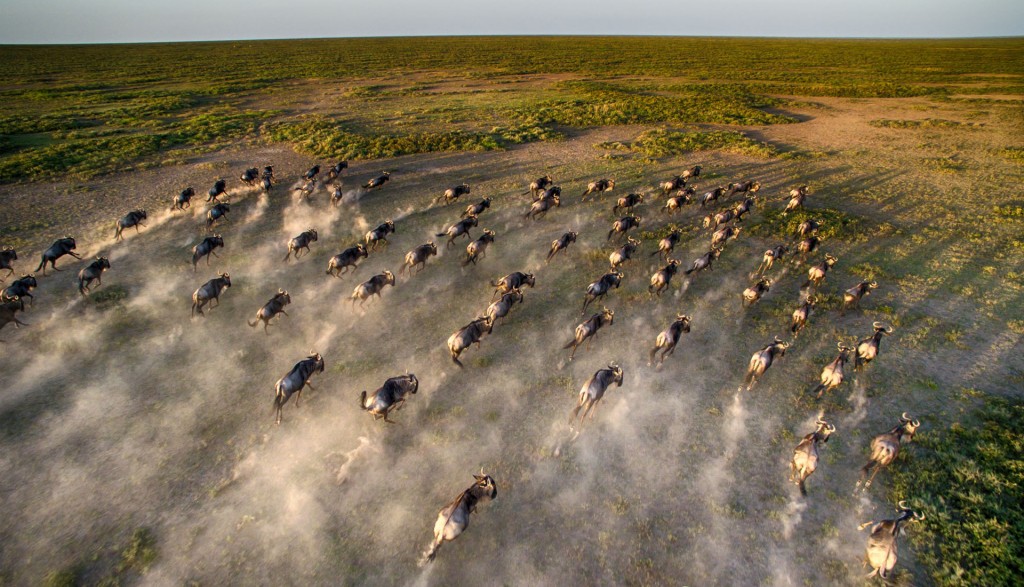
African Animal Migration
African Animal Migration
The Spectacular African Animal Migration: A Journey of Survival
The African animal migration is one of the most awe-inspiring natural phenomena on Earth. Each year, millions of animals, including wildebeest, zebras, and gazelles, traverse the vast plains of East Africa in search of food and water. This epic journey, often referred to as “The Great Migration,” is a testament to the resilience and adaptability of wildlife in the face of changing seasons and environmental challenges.
The Great Migration: A Natural Wonder
The Great Migration is an annual event that takes place primarily in the Serengeti-Mara ecosystem, spanning Tanzania and Kenya. It is driven by the animals’ need to find fresh grazing grounds and water sources as the seasons change. The migration is a continuous cycle, with animals moving in a clockwise pattern across the Serengeti and Maasai Mara regions.
Key Players in the Migration
The migration is dominated by three main species:
- Wildebeest: Approximately 1.5 million wildebeest participate in the migration, making them the most numerous species in this incredible journey.
- Zebras: Around 300,000 zebras accompany the wildebeest, forming a crucial part of the migratory herd.
- Gazelles: Around 400,000 Thomson’s and Grant’s gazelles also join the migration, adding to the diversity of the spectacle.
The Migration Route
The migration follows a predictable route, although the exact timing can vary depending on rainfall patterns. The journey begins in the southern Serengeti, where the animals give birth to their young in the nutrient-rich grasslands. As the dry season approaches, they move northward, crossing the treacherous Grumeti and Mara rivers, where crocodiles lie in wait. Finally, they reach the Maasai Mara in Kenya before returning south as the rainy season begins.
Challenges Along the Way
The migration is fraught with danger. Predators such as lions, cheetahs, and hyenas follow the herds, preying on the weak and vulnerable. Additionally, the river crossings are perilous, with many animals falling victim to crocodiles or drowning in the strong currents. Despite these challenges, the migration is a vital part of the ecosystem, ensuring the survival of both the migrating species and the predators that depend on them.
The Importance of the Migration
The African animal migration plays a crucial role in maintaining the balance of the Serengeti-Mara ecosystem. The movement of millions of herbivores helps to regenerate the grasslands, as their grazing stimulates new growth. Additionally, the migration provides a reliable food source for predators, ensuring the health and stability of the entire ecosystem.
Ecological Impact
The migration has a profound impact on the environment. As the animals move across the plains, they trample the grass, which helps to aerate the soil and promote the growth of new vegetation. Their droppings also fertilize the land, enriching the soil with nutrients. This cyclical process ensures that the grasslands remain healthy and productive year after year.
Economic and Cultural Significance
The Great Migration is not only a natural wonder but also a major tourist attraction. Thousands of visitors from around the world flock to East Africa each year to witness this incredible spectacle. The tourism industry provides significant economic benefits to the region, supporting local communities and conservation efforts. Additionally, the migration holds cultural significance for the Maasai people, who have lived alongside the migrating animals for centuries.
Conservation Efforts
Despite its importance, the African animal migration faces numerous threats. Habitat loss, climate change, and human-wildlife conflict all pose significant challenges to the survival of the migrating species. Conservation organizations are working tirelessly to protect the migration and the ecosystems that support it.
Threats to the Migration
- Habitat Loss: As human populations grow, more land is being converted for agriculture and development, reducing the available habitat for wildlife.
- Climate Change: Changing weather patterns can disrupt the migration, as animals rely on the timing of the rains to find food and water.
- Poaching: Illegal hunting poses a threat to many of the species involved in the migration, particularly elephants and rhinos.
Conservation Initiatives
Several organizations are working to protect the migration and the Serengeti-Mara ecosystem. These efforts include:
- Anti-Poaching Measures: Rangers patrol the region to prevent illegal hunting and protect endangered species.
- Habitat Restoration: Conservationists are working to restore degraded areas of the ecosystem, ensuring that the animals have enough food and water.
- Community Engagement: Local communities are being involved in conservation efforts, with initiatives that provide alternative livelihoods and reduce human-wildlife conflict.
FAQ: African Animal Migration
1. What is the Great Migration?
The Great Migration is the annual movement of millions of wildebeest, zebras, and gazelles across the Serengeti-Mara ecosystem in search of food and water.
2. When is the best time to see the migration?
The migration is a year-round event, but the best time to witness it is during the river crossings, which typically occur between July and October.
3. Why do the animals migrate?
The animals migrate in search of fresh grazing grounds and water as the seasons change.
4. What are the main threats to the migration?
The main threats to the migration include habitat loss, climate change, and poaching.
5. How can I help protect the migration?
You can support conservation efforts by donating to organizations that work to protect the Serengeti-Mara ecosystem and by choosing eco-friendly tourism options when visiting the region.
Conclusion
The African animal migration is a breathtaking natural event that showcases the resilience and adaptability of wildlife in the face of adversity. It is a vital part of the Serengeti-Mara ecosystem, playing a crucial role in maintaining the balance of the environment. However, the migration faces numerous threats, and it is up to all of us to ensure that this incredible spectacle continues for future generations to enjoy.