
Wildebeest Migration Tours
Wildebeest Migration Tours
The Ultimate Guide to Wildebeest Migration Tours: A Journey Through Nature’s Greatest Spectacle
Introduction to the Wildebeest Migration
The Great Wildebeest Migration is one of the most awe-inspiring natural events on Earth. Every year, over 1.5 million wildebeest, accompanied by hundreds of thousands of zebras and gazelles, embark on a perilous journey across the Serengeti in Tanzania and the Maasai Mara in Kenya. This epic migration is driven by the search for fresh grazing grounds and water, creating a dynamic and ever-changing spectacle that draws visitors from around the world.
In this comprehensive guide, we will explore everything you need to know about planning a wildebeest migration tour, including the best times to visit, where to stay, what to expect, and how to make the most of your experience.
What is the Wildebeest Migration?
The wildebeest migration is a continuous, circular journey that takes place across the Serengeti-Mara ecosystem. It is often referred to as the “Great Migration” due to its sheer scale and the dramatic scenes that unfold as the animals traverse rivers, evade predators, and navigate the vast plains.
Key Phases of the Migration
The migration is a year-round event, but it can be broken down into several key phases:
- Calving Season (January to March): The migration begins in the southern Serengeti, where wildebeest give birth to thousands of calves. This is a prime time to witness predator-prey interactions, as lions, cheetahs, and hyenas target the vulnerable young.
- The Journey North (April to June): As the rains end, the herds begin their journey northward, crossing the central Serengeti. This is a time of intense movement, with the wildebeest covering vast distances in search of greener pastures.
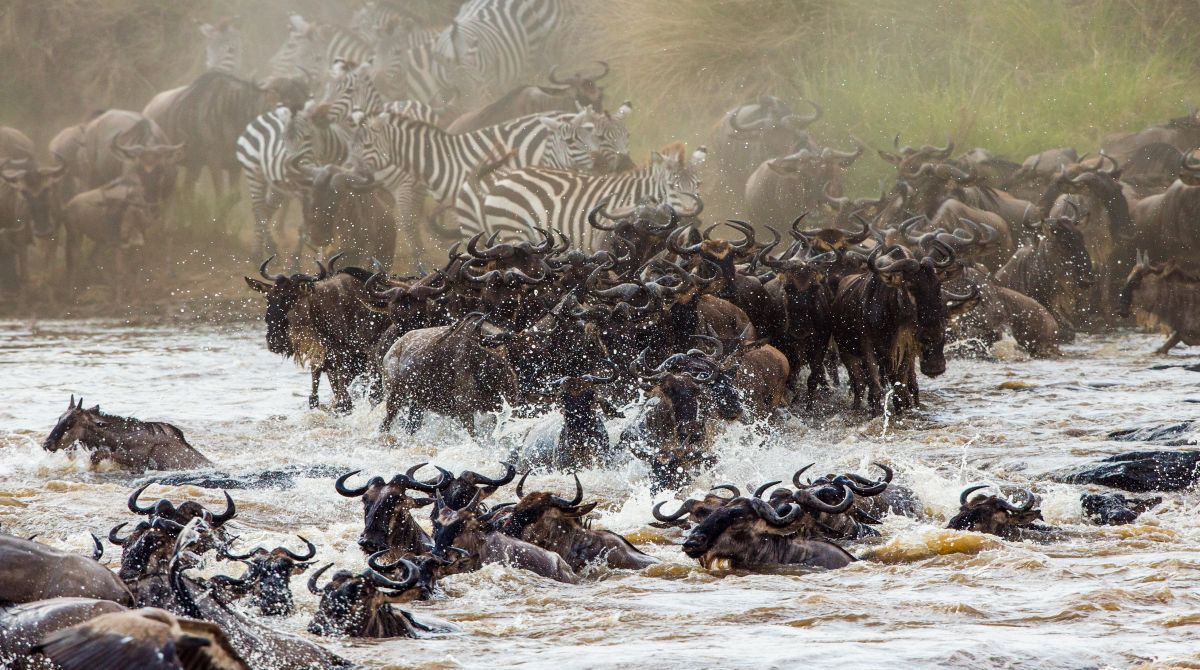
- River Crossings (July to September): One of the most dramatic moments of the migration occurs when the herds reach the Grumeti and Mara Rivers. Here, they must brave crocodile-infested waters, creating heart-stopping scenes of survival.
- The Maasai Mara (August to October): After crossing the rivers, the herds reach the Maasai Mara in Kenya, where they graze on the lush grasslands. This is a popular time for tourists, as the wildlife viewing is exceptional.
- The Return South (November to December): As the rains return to the Serengeti, the herds begin their journey back south, completing the cycle.
Best Time to Experience the Wildebeest Migration
The timing of your wildebeest migration tour will depend on what part of the migration you want to witness. Here’s a breakdown of the best times to visit:
- January to March: Ideal for witnessing the calving season in the southern Serengeti.
- April to June: A great time to see the herds on the move through the central Serengeti.
- July to September: The best time to witness the dramatic river crossings in the northern Serengeti and Maasai Mara.
- October to December: Perfect for seeing the herds as they return to the southern Serengeti.
Each phase of the migration offers unique experiences, so it’s important to plan your trip based on what you want to see.
Top Destinations for a Wildebeest Migration Tour
When planning a wildebeest migration tour, choosing the right destination is crucial. Here are the top locations to consider:
1. Serengeti National Park, Tanzania
The Serengeti is the heart of the migration and offers some of the best wildlife viewing opportunities in the world. The park is vast, covering over 14,000 square kilometers, and is home to a rich diversity of wildlife, including lions, elephants, and cheetahs.
- Best Time to Visit: January to June for the southern and central Serengeti, and July to October for the northern Serengeti.
- Accommodation: There are numerous luxury lodges, tented camps, and mobile camps that follow the migration.
2. Maasai Mara National Reserve, Kenya
The Maasai Mara is famous for its role in the migration, particularly during the dramatic river crossings. It’s also home to the Big Five (lion, leopard, elephant, buffalo, and rhino), making it a prime safari destination.
- Best Time to Visit: July to October, when the herds are in the Mara.
- Accommodation: The Maasai Mara offers a range of accommodation options, from luxury lodges to budget-friendly campsites.
3. Grumeti Reserve, Tanzania
Located in the western Serengeti, the Grumeti Reserve is a private concession that offers an exclusive safari experience. This area is known for its dramatic river crossings and large predator populations.
- Best Time to Visit: June to July, during the Grumeti River crossings.
- Accommodation: Luxury lodges and camps are available, offering a more intimate safari experience.
What to Expect on a Wildebeest Migration Tour
A wildebeest migration tour is an unforgettable experience, but it’s important to know what to expect before you go. Here are some key things to keep in mind:
1. Wildlife Viewing
The migration is not just about wildebeest. You’ll also have the chance to see a wide variety of wildlife, including:
- Zebras and gazelles, which migrate alongside the wildebeest.
- Predators such as lions, cheetahs, and hyenas, which follow the herds in search of prey.
- Crocodiles lurking in the rivers, waiting for the wildebeest to cross.
2. Safari Vehicles
Most migration tours are conducted in open-sided safari vehicles, which allow for excellent wildlife viewing and photography. Some lodges also offer walking safaris or hot air balloon rides for a unique perspective on the migration.
3. Accommodation
There are a variety of accommodation options available, ranging from luxury lodges to mobile camps that move with the migration. Many camps offer all-inclusive packages that include meals, game drives, and guided tours.
How to Plan Your Wildebeest Migration Tour
Planning a wildebeest migration tour can be overwhelming, but with the right information, you can create an unforgettable experience. Here are some tips to help you plan your trip:
1. Choose the Right Time
As mentioned earlier, the timing of your trip will depend on what part of the migration you want to see. Be sure to research the best time to visit based on your interests.
2. Book Early
The wildebeest migration is a popular event, and lodges and camps can fill up quickly, especially during peak season. It’s important to book your accommodation and tours well in advance to secure your spot.
3. Consider a Guided Tour
While it’s possible to plan your own migration tour, many travelers opt for guided tours that include transportation, accommodation, and expert guides. This can take the stress out of planning and ensure you get the most out of your experience.
4. Pack Accordingly
A safari during the migration requires specific gear. Be sure to pack:
- Lightweight, neutral-colored clothing for game drives.
- Binoculars for wildlife viewing.
- Camera equipment to capture the incredible scenes.
- Sunscreen and a hat to protect against the sun.
Frequently Asked Questions (FAQ)
1. What is the best time to see the wildebeest migration?
The best time to see the migration depends on what part of the event you want to witness. For the calving season, visit between January and March. For the river crossings, July to September is ideal.
2. How long does the wildebeest migration last?
The migration is a year-round event, with different phases occurring at different times of the year. The entire cycle takes about 12 months to complete.
3. Is it safe to go on a wildebeest migration tour?
Yes, wildebeest migration tours are generally safe, especially when conducted by reputable tour operators. Safari guides are trained to ensure the safety of guests while providing an unforgettable experience.
4. What should I pack for a wildebeest migration tour?
Be sure to pack lightweight, neutral-colored clothing, binoculars, camera equipment, sunscreen, and a hat. It’s also a good idea to bring insect repellent and any necessary medications.
5. Can I see other wildlife during the migration?
Yes, in addition to wildebeest, you’ll have the chance to see zebras, gazelles, lions, cheetahs, hyenas, and many other species during the migration.
Conclusion
A wildebeest migration tour is a once-in-a-lifetime experience that offers the chance to witness one of nature’s greatest spectacles. Whether you’re watching the dramatic river crossings or observing the newborn calves in the Serengeti, the migration is a truly unforgettable event. By planning your trip carefully and choosing the right time and destination, you can ensure that your wildebeest migration tour is everything you’ve dreamed of and more.