
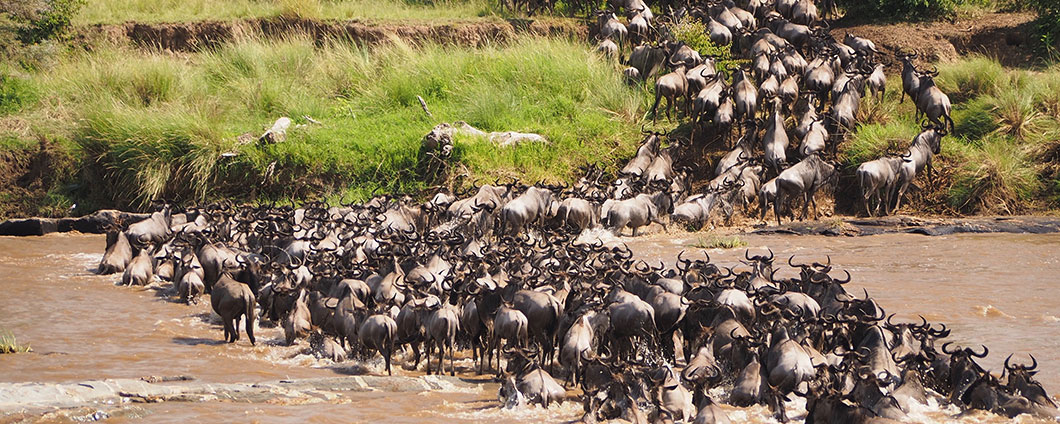
Mara River Crossing
Mara River Crossing
The Spectacle of the Mara River Crossing: A Natural Wonder
The Mara River crossing is one of the most awe-inspiring wildlife events on the planet. Every year, thousands of wildebeest, zebras, and other herbivores embark on a perilous journey through the Serengeti and Maasai Mara ecosystems, crossing the treacherous Mara River in search of greener pastures. This natural spectacle, often referred to as the Great Migration, is a key highlight for wildlife enthusiasts and photographers alike.
In this article, we will explore the intricacies of the Mara River crossing, its significance in the ecosystem, the best times to witness it, and how to plan your safari to experience this breathtaking event. We will also delve into the challenges faced by the animals during the crossing, the predators that lie in wait, and the conservation efforts aimed at preserving this vital migration route.
The Great Migration: A Journey Like No Other
The Great Migration is one of the largest and most dramatic wildlife migrations in the world. It involves over 1.5 million wildebeest, 200,000 zebras, and thousands of gazelles, elands, and impalas. These animals move in a circular pattern between Tanzania’s Serengeti National Park and Kenya’s Maasai Mara National Reserve, driven by the seasonal rains and the search for fresh grazing lands.
Why Do Animals Cross the Mara River?
The Mara River crossing is a critical part of the migration. The river, which flows through both Tanzania and Kenya, serves as a natural barrier between the Serengeti and the Maasai Mara. During the dry season, the animals must cross the river to reach the fertile plains of the Maasai Mara, where they can find food and water.
However, the crossing is fraught with danger. The river is home to large populations of Nile crocodiles, which lie in wait for the migrating herds. Additionally, the strong currents of the river can sweep away weaker animals, making the crossing a life-or-death gamble for many.
Timing the Mara River Crossing
One of the most frequently asked questions about the Mara River crossing is, “When is the best time to witness it?” The timing of the crossing is largely dependent on the rains, which dictate the movement of the herds. Typically, the crossing occurs between July and October, but the exact timing can vary from year to year.
Visitors hoping to witness this spectacle should plan their safari during these months, keeping in mind that the crossing is unpredictable. Some days, thousands of animals may cross the river, while on other days, only a few may attempt the journey.
The Role of Predators
The Mara River crossing is not only a challenge for the migrating herbivores but also an opportunity for predators. Nile crocodiles, some of the largest and most dangerous reptiles in Africa, are the primary threat to the animals during the crossing. These crocodiles can grow up to 20 feet in length and are known for their powerful jaws and ambush tactics.
In addition to crocodiles, lions, leopards, and hyenas also take advantage of the chaos that ensues during the crossing. These predators often wait on the riverbanks, ready to pounce on any animal that becomes separated from the herd or is weakened by the crossing.
Planning Your Safari to Witness the Mara River Crossing
If you’re planning a safari to witness the Mara River crossing, there are several factors to consider to ensure you have the best possible experience.
Best Locations to Witness the Crossing
The Mara River flows through both the Serengeti and the Maasai Mara, and there are several key locations where the crossing is most likely to occur. Some of the best spots to witness the crossing include:
- Kogatende in the northern Serengeti
- Mara Triangle in the Maasai Mara
- Lamai Wedge, a remote area of the Serengeti
These areas offer excellent vantage points for watching the herds as they gather on the riverbanks and make their way across the water.
Choosing the Right Safari Operator
To maximize your chances of witnessing the Mara River crossing, it’s essential to choose a reputable safari operator with experienced guides who are familiar with the migration patterns. Many safari companies offer specialized Great Migration packages that focus on the best times and locations for viewing the crossing.
Accommodation Options
There are a variety of accommodation options available for those looking to witness the Mara River crossing. From luxury lodges to mobile tented camps, visitors can choose the level of comfort that suits their preferences. Some camps are located right on the riverbanks, offering front-row seats to the action, while others are set further back in the bush, providing a more secluded and intimate experience.
Conservation Challenges and Efforts
The Mara River crossing is not only a natural wonder but also a critical part of the ecosystem. However, this migration route faces several challenges, including habitat loss, climate change, and human-wildlife conflict.
Habitat Loss and Fragmentation
As human populations grow and agricultural activities expand, the natural habitats of the Serengeti and Maasai Mara are increasingly under threat. This habitat loss and fragmentation can disrupt the migration routes, making it more difficult for the animals to complete their journey.
Climate Change
Climate change is another significant challenge facing the Mara River crossing. Changes in rainfall patterns can affect the availability of water and grazing lands, which in turn impacts the timing and success of the migration. Prolonged droughts can lead to higher mortality rates among the migrating herds, while heavier-than-usual rains can cause the river to flood, making the crossing even more dangerous.
Conservation Efforts
Several organizations are working to protect the Mara River ecosystem and ensure the survival of the Great Migration. These efforts include:
- Anti-poaching initiatives to protect the wildlife from illegal hunting
- Habitat restoration projects to preserve the natural landscapes
- Community-based conservation programs that involve local communities in protecting the migration routes
By supporting these conservation efforts, visitors can help ensure that future generations will be able to witness the incredible spectacle of the Mara River crossing.
Frequently Asked Questions (FAQ)
1. What is the best time to see the Mara River crossing?
The best time to witness the Mara River crossing is between July and October, although the exact timing can vary depending on the rains. It’s important to plan your safari during these months for the best chance of seeing the crossing.
2. Where is the best place to watch the Mara River crossing?
Some of the best locations to witness the crossing include Kogatende in the northern Serengeti, the Mara Triangle in the Maasai Mara, and the Lamai Wedge in the Serengeti. These areas offer excellent vantage points for viewing the herds as they cross the river.
3. What animals participate in the Mara River crossing?
The Mara River crossing is primarily made up of wildebeest, zebras, and gazelles, but other herbivores such as eland and impalas also take part in the migration. Predators like crocodiles, lions, and hyenas are often seen during the crossing as well.
4. How dangerous is the Mara River crossing for the animals?
The Mara River crossing is extremely dangerous for the animals. In addition to the threat posed by Nile crocodiles, the strong currents of the river can sweep away weaker animals. Many animals do not survive the crossing, making it a life-or-death challenge.
5. How can I support conservation efforts for the Mara River ecosystem?
You can support conservation efforts by donating to organizations that work to protect the Mara River ecosystem, participating in eco-friendly safaris, and spreading awareness about the importance of preserving this vital migration route.
Conclusion
The Mara River crossing is a breathtaking natural event that showcases the resilience and determination of wildlife in the face of adversity. From the treacherous river currents to the lurking predators, the crossing is a true test of survival for the migrating herds. For those fortunate enough to witness it, the Mara River crossing is an unforgettable experience that highlights the beauty and fragility of nature.
By understanding the significance of this migration and supporting conservation efforts, we can help ensure that the Mara River crossing remains a vital part of the African wilderness for generations to come.