
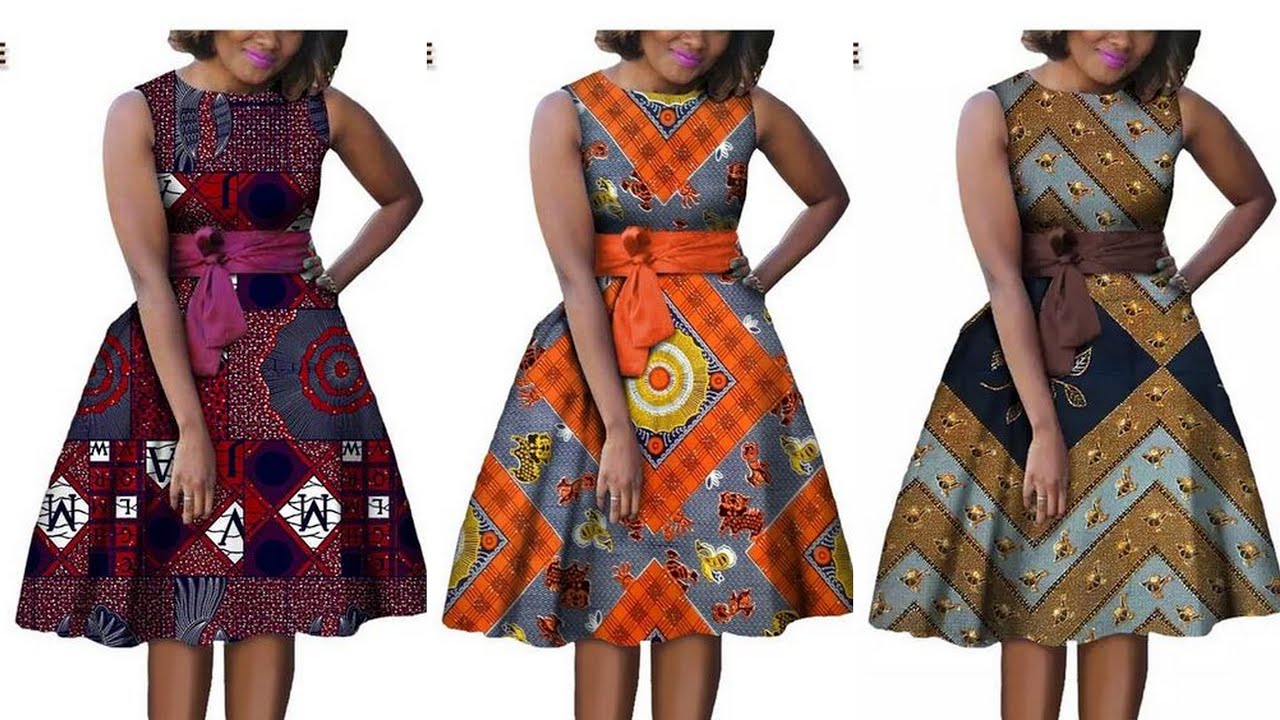
African Dresses
African Dresses
The Timeless Elegance of African Dresses: A Celebration of Culture and Style
African dresses are more than just garments; they are vibrant expressions of culture, heritage, and identity. Rooted in centuries of tradition, these outfits have evolved into a global fashion phenomenon, blending traditional craftsmanship with modern trends. In this article, we’ll explore the rich history, cultural significance, and contemporary appeal of African dresses, while also offering insights into their unique designs, fabrics, and styling tips.
The Cultural Significance of African Dresses
African dresses are deeply intertwined with the continent’s diverse cultures, each design reflecting the traditions, beliefs, and histories of specific communities. From kente cloth in Ghana to ankara prints popular across West Africa, these garments tell stories of ancestry and pride.
Key Features of African Dresses:
- Symbolism: Colors, patterns, and motifs often carry symbolic meanings. For example:
- Gold in kente cloth represents wealth and royalty.
- Blue symbolizes peace and harmony.
- Occasions: African dresses are worn during weddings, festivals, and rites of passage, showcasing their importance in cultural ceremonies.
- Craftsmanship: Many dresses are handcrafted, using techniques like weaving, embroidery, and beadwork, which highlight the artistry of African designers.
Regional Variations:
- West Africa: Known for bold, colorful prints like ankara and adire.
- East Africa: Features flowing garments like the kanga and dashiki, often adorned with Swahili proverbs.
- Southern Africa: Incorporates beadwork and patterns inspired by tribes like the Zulu and Xhosa.
- North Africa: Emphasizes intricate embroidery and luxurious fabrics like silk, seen in kaftans and djellabas.
Popular Fabrics Used in African Dresses
The choice of fabric is central to the beauty and versatility of African dresses. These textiles are not only visually stunning but also carry cultural and historical significance.
1. Ankara
- Description: A vibrant, wax-printed fabric that has become synonymous with African fashion.
- Origin: Originally inspired by Indonesian batik, Ankara gained popularity in West Africa.
- Uses: Ankara is used for dresses, skirts, trousers, and even accessories like headwraps and bags.
2. Kente
- Description: A handwoven fabric made of silk and cotton, originating from the Ashanti people of Ghana.
- Symbolism: Each pattern and color combination has a specific meaning, often related to proverbs or historical events.
- Uses: Kente is commonly worn during special occasions like weddings and graduations.
3. Adire
- Description: A tie-dye fabric from Nigeria, created using resist-dyeing techniques.
- Designs: Features intricate patterns that are both geometric and symbolic.
- Uses: Adire is used for casual and formal wear, as well as home decor.
4. Shweshwe
- Description: A printed cotton fabric popular in Southern Africa, particularly among the Xhosa people.
- Characteristics: Known for its stiff texture and small, intricate patterns.
- Uses: Often used for traditional ceremonies and modern fashion.
Modern Trends in African Dresses
While African dresses remain deeply rooted in tradition, contemporary designers are reimagining them for modern audiences. This fusion of old and new has made African fashion a global trend.
Key Trends:
- Mixing Prints: Combining different fabrics like Ankara and Kente for a bold, eclectic look.
- Modern Silhouettes: Traditional fabrics are being used to create jumpsuits, blazers, and evening gowns.
- Sustainable Fashion: Many African designers are embracing eco-friendly practices, using locally sourced materials and ethical production methods.
- Global Influence: African prints are now featured in international fashion shows and worn by celebrities worldwide.
Styling Tips:
- Pair a bold ankara dress with neutral accessories to let the fabric shine.
- Add a headwrap or gele for a touch of authenticity.
- Combine traditional African prints with modern pieces like denim jackets or leather boots for a chic, contemporary look.
Why African Dresses Are a Global Fashion Statement
The global appeal of African dresses lies in their versatility, vibrant aesthetics, and cultural depth. Fashion enthusiasts around the world are drawn to these garments for their ability to make a statement while celebrating diversity.
Reasons Behind Their Popularity:
- Uniqueness: No two African prints are exactly the same, making each piece a work of art.
- Inclusivity: African dresses come in a variety of styles and sizes, catering to diverse body types.
- Empowerment: Wearing African fashion is a way to honor and support African heritage and craftsmanship.
FAQ: Everything You Need to Know About African Dresses
1. What are the most popular types of African dresses?
The most popular types include dashikis, kaftans, boubous, and ankara dresses. Each style varies by region and occasion but shares a common emphasis on bold prints and intricate designs.
2. Where can I buy authentic African dresses?
You can purchase authentic African dresses from local markets in Africa, online platforms like Etsy and Afrikrea, or directly from African designers.
3. How do I style African dresses for formal events?
For formal events, opt for tailored designs like mermaid-style gowns or kaftans. Pair them with elegant accessories like gold jewelry and a matching headwrap.
4. Are African dresses suitable for all body types?
Yes! African dresses are known for their inclusive designs. Styles like A-line dresses, wrap dresses, and boubous are particularly flattering for all body shapes.
5. What makes African fabrics unique?
African fabrics are unique due to their vibrant colors, symbolic patterns, and traditional craftsmanship. Each fabric, like ankara or kente, carries cultural and historical significance.
Conclusion
African dresses are more than just fashion; they are a celebration of heritage, artistry, and individuality. Whether you’re drawn to the bold prints of Ankara, the regal elegance of Kente, or the intricate patterns of Adire, these garments offer endless possibilities for self-expression. By embracing African fashion, you’re not only making a style statement but also honoring the rich traditions and creativity of the African continent.