
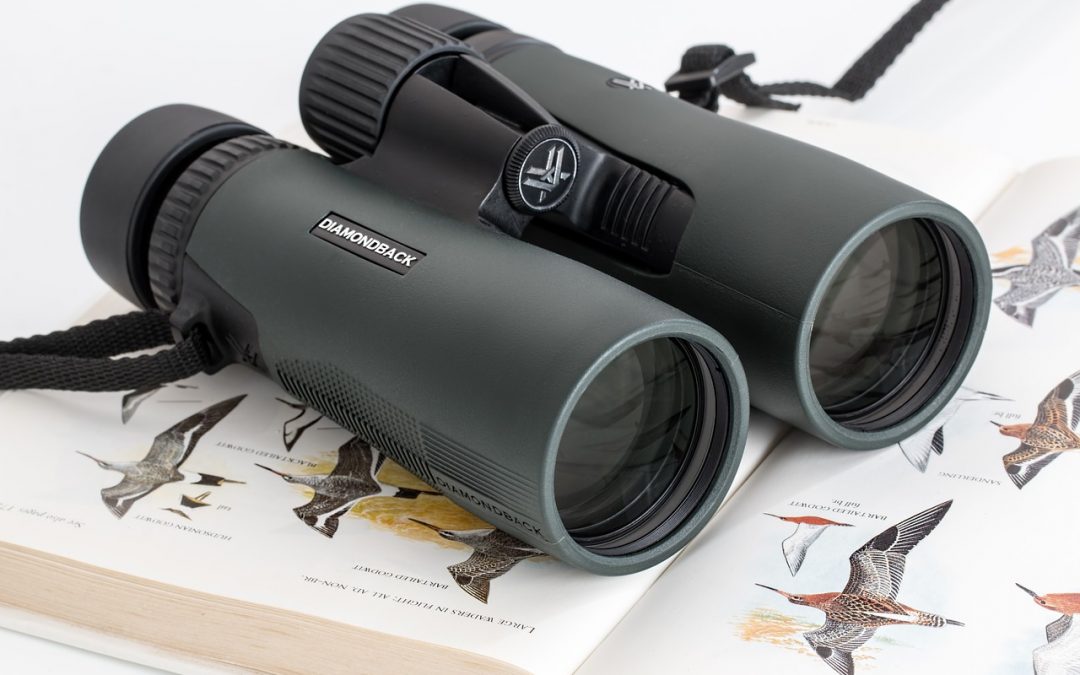
Bird Watching Binoculars
Bird Watching Binoculars
The Ultimate Guide to Choosing the Best Bird Watching Binoculars
Bird watching is a captivating hobby that connects enthusiasts with nature in a profound way. To truly appreciate the intricate details of birds, from their vibrant plumage to their unique behaviors, having the right binoculars is essential. This comprehensive guide will walk you through everything you need to know about selecting the best bird watching binoculars, ensuring your experience is both enjoyable and rewarding.
Why Are Binoculars Essential for Bird Watching?
Birds are often elusive creatures, and observing them up close without disturbing their natural habitat requires precision and clarity. Binoculars serve as an extension of your vision, allowing you to:
- Spot distant birds with ease.
- Observe intricate details like feather patterns and colors.
- Enhance your overall birding experience by bringing nature closer to you.
Investing in the right pair of binoculars can make all the difference, transforming a casual birding trip into an unforgettable adventure.
Key Features to Look for in Bird Watching Binoculars
When selecting binoculars for bird watching, several factors come into play. Here’s a breakdown of the most critical features:
1. Magnification and Objective Lens Diameter
Binoculars are often labeled with numbers like 8×42 or 10×50. Here’s what these numbers mean:
- Magnification (e.g., 8x or 10x): This indicates how many times closer the object will appear. For bird watching, 8x or 10x magnification is ideal.
- Objective Lens Diameter (e.g., 42 or 50): This refers to the size of the front lenses in millimeters. Larger lenses allow more light, providing brighter images.
2. Field of View
A wider field of view makes it easier to locate and track birds, especially those that are fast-moving or in dense foliage. Binoculars with a field of view of at least 300 feet at 1,000 yards are recommended.
3. Lens Coating
High-quality lens coatings reduce glare and enhance image clarity. Look for binoculars with fully multi-coated lenses for the best performance.
4. Weight and Size
Lightweight and compact binoculars are easier to carry during long birding excursions. However, ensure they don’t compromise on image quality.
5. Durability and Weather Resistance
Bird watching often takes you into diverse environments. Opt for binoculars that are:
- Waterproof to withstand rain or accidental splashes.
- Fog-proof to prevent internal fogging in humid conditions.
- Shock-resistant for added durability.
Top Bird Watching Binoculars in the Market
Here are some of the best binoculars for bird watching, catering to various budgets and preferences:
1. Vortex Optics Viper HD 8×42
- Features high-density, extra-low dispersion glass for exceptional clarity.
- Waterproof and fog-proof design.
- Lightweight and ergonomic.
2. Nikon Monarch 5 8×42
- Fully multi-coated lenses for bright and sharp images.
- Durable, rubber-armored body.
- Excellent low-light performance.
3. Celestron Nature DX 8×42
- Affordable yet high-performing.
- Phase-coated optics for enhanced resolution.
- Compact and lightweight.
4. Zeiss Victory SF 10×42
- Premium optics with unparalleled clarity.
- Wide field of view and ergonomic design.
- Ideal for serious bird watchers.
5. Bushnell Legend Ultra HD 10×42
- RainGuard HD coating for clear views in wet conditions.
- Lightweight magnesium chassis.
- High-quality optics at a reasonable price.
Tips for Using Binoculars Effectively
Even the best binoculars won’t deliver optimal results without proper usage. Here are some tips to enhance your bird watching experience:
- Adjust the eyecups: Twist or fold them to suit your eye relief, especially if you wear glasses.
- Set the diopter: Fine-tune the focus for each eye using the diopter adjustment.
- Hold steady: Use both hands and brace your elbows against your body for stability.
- Practice panning: Smoothly follow birds in motion by moving your binoculars in sync with their flight.
Frequently Asked Questions (FAQ)
1. What magnification is best for bird watching binoculars?
For most bird watchers, 8x or 10x magnification strikes the perfect balance between clarity and stability. Higher magnifications can make it harder to keep the image steady.
2. Are expensive binoculars worth it for bird watching?
While budget-friendly options can perform well, premium binoculars often offer superior optics, durability, and features. Consider your level of commitment and budget before investing.
3. How do I clean and maintain my binoculars?
Use a soft, lint-free cloth to clean the lenses. Avoid using harsh chemicals. Store your binoculars in a protective case when not in use.
4. Can I use regular binoculars for bird watching?
Yes, but binoculars specifically designed for bird watching typically offer features like a wider field of view and enhanced color fidelity, making them more suitable.
5. What is the difference between roof and porro prism binoculars?
- Roof prism binoculars: Compact and durable, with aligned lenses for a streamlined design.
- Porro prism binoculars: Bulkier but often more affordable, with a wider field of view.
Conclusion
Choosing the right bird watching binoculars is a personal journey that depends on your preferences, budget, and birding goals. By understanding the key features and exploring top models, you can find a pair that enhances your connection with nature. Whether you’re a seasoned birder or a beginner, the right binoculars will open up a world of wonder, bringing you closer to the beauty of birds.