
Uganda Primate Safari
Uganda Primate Safari
The Ultimate Guide to Uganda Primate Safari: Discover the Pearl of Africa’s Hidden Treasures
Uganda, often referred to as the “Pearl of Africa,” is a haven for wildlife enthusiasts and adventure seekers. Among its many attractions, the Uganda Primate Safari stands out as a unique and unforgettable experience. This East African gem is home to some of the world’s most fascinating primates, including the endangered mountain gorillas, chimpanzees, and golden monkeys. In this comprehensive guide, we’ll delve into everything you need to know about planning the perfect primate safari in Uganda.
Why Choose Uganda for a Primate Safari?
Uganda boasts a rich biodiversity and is one of the few places on Earth where you can encounter primates in their natural habitats. With its lush rainforests, sprawling savannahs, and misty mountains, the country offers a perfect backdrop for primate trekking. Here are some reasons why Uganda should top your list:
- Diverse Primate Species: Uganda is home to over 20 primate species, including mountain gorillas, chimpanzees, colobus monkeys, and baboons.
- Protected National Parks: The country has several well-maintained national parks, such as Bwindi Impenetrable National Park and Kibale Forest National Park.
- Conservation Efforts: Uganda is a leader in wildlife conservation, ensuring sustainable tourism and the protection of endangered species.
- Cultural Experiences: Beyond wildlife, Uganda offers rich cultural interactions with local communities, adding depth to your safari experience.
Top Destinations for Uganda Primate Safari
1. Bwindi Impenetrable National Park
Bwindi is a UNESCO World Heritage Site and one of the best places in the world to see mountain gorillas. The park is home to nearly half of the global population of these gentle giants. Gorilla trekking in Bwindi is a bucket-list experience, offering a chance to observe these majestic creatures up close.
- Best Time to Visit: June to September and December to February.
- Activities: Gorilla trekking, bird watching, and nature walks.
- Accommodation: Options range from luxury lodges to budget-friendly campsites.
2. Kibale Forest National Park
Known as the “Primate Capital of the World,” Kibale Forest is famous for its chimpanzee trekking experiences. The park is also home to 13 other primate species, including the rare L’Hoest’s monkey.
- Best Time to Visit: March to May and November.
- Activities: Chimpanzee tracking, forest hikes, and birding tours.
- Accommodation: Eco-lodges and forest camps.
3. Mgahinga Gorilla National Park
This park is another excellent spot for gorilla trekking and is also home to the endangered golden monkeys. Mgahinga offers a less crowded experience compared to Bwindi.
- Best Time to Visit: June to October and December to February.
- Activities: Gorilla and golden monkey trekking, volcano hiking, and cultural tours.
- Accommodation: Intimate lodges and community-run guesthouses.
4. Queen Elizabeth National Park
While primarily known for its big game, Queen Elizabeth National Park also offers opportunities to see primates like chimpanzees in the Kyambura Gorge.
- Best Time to Visit: January to February and June to July.
- Activities: Chimpanzee tracking, boat safaris, and game drives.
- Accommodation: Safari lodges and tented camps.
What to Expect During a Primate Safari
Gorilla Trekking
Gorilla trekking is the highlight of any Uganda primate safari. The experience involves hiking through dense forests to locate a gorilla family. Once found, you’ll spend an hour observing their behavior, social interactions, and feeding habits.
- Permits: A gorilla trekking permit is required and costs around $800 per person.
- Fitness Level: Moderate to high fitness is recommended due to the challenging terrain.
- Guides: Professional guides and trackers ensure a safe and informative experience.
Chimpanzee Tracking
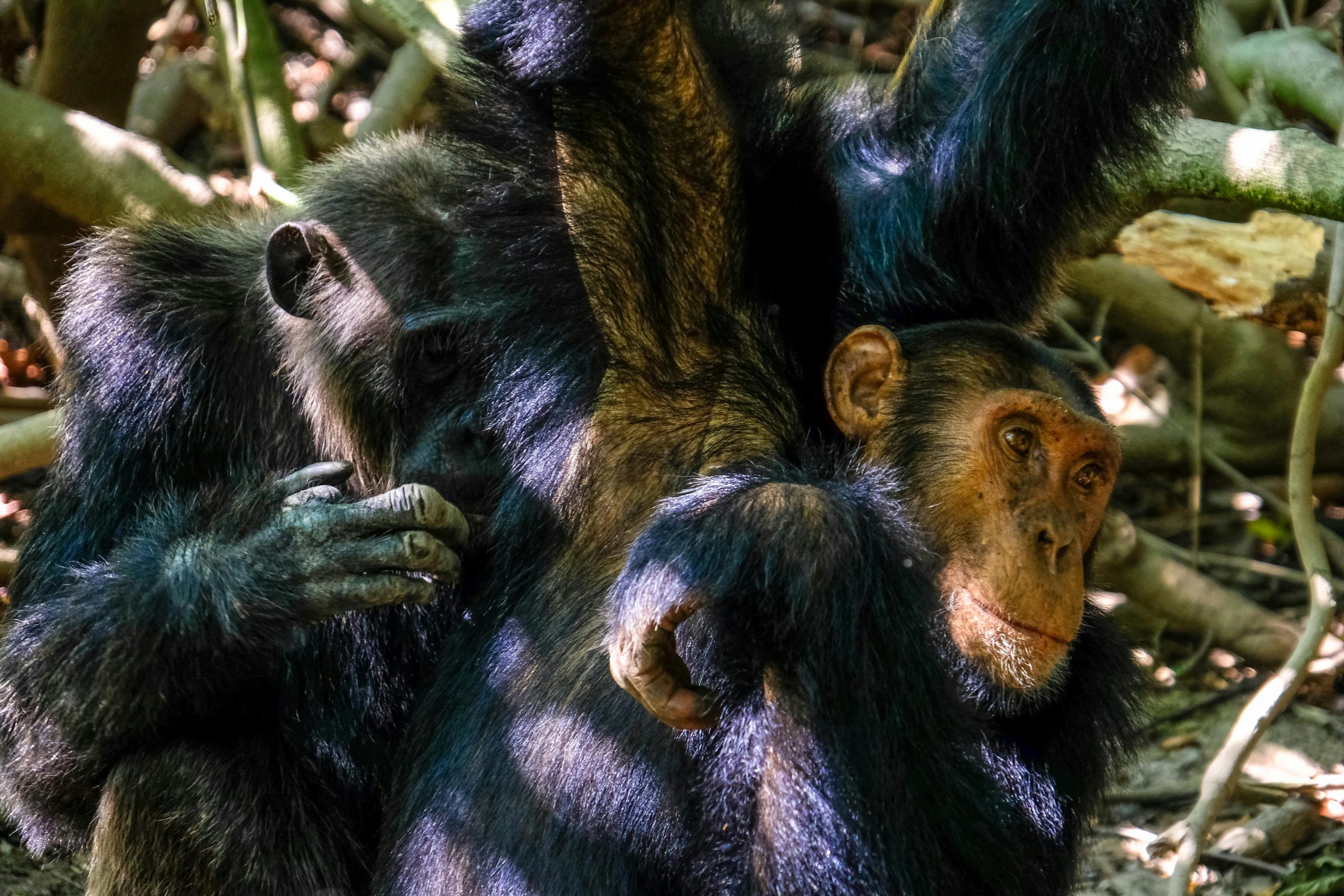
Chimpanzee tracking is equally thrilling, offering a chance to see these intelligent creatures in their natural environment. The activity is less physically demanding than gorilla trekking but equally rewarding.
- Permits: Chimpanzee tracking permits cost approximately $250 per person.
- Behavior: Chimpanzees are highly social and active, making for an engaging experience.
- Photography: Bring a good camera to capture their playful antics.
Golden Monkey Trekking
Golden monkeys are endemic to the Virunga Mountains and are known for their striking golden-orange fur. Trekking to see them is a unique experience, available in Mgahinga Gorilla National Park.
- Permits: Golden monkey permits cost around $100 per person.
- Group Size: Trekking groups are usually small, ensuring an intimate experience.
- Conservation: Your visit contributes to the conservation of this endangered species.
Tips for a Successful Uganda Primate Safari
- Book Permits Early: Gorilla and chimpanzee permits are limited and sell out quickly, so book well in advance.
- Pack Appropriately: Bring sturdy hiking boots, waterproof clothing, and insect repellent.
- Hire a Local Guide: Experienced guides enhance your safari with their knowledge and expertise.
- Respect Wildlife: Maintain a safe distance and avoid loud noises to minimize stress on the animals.
- Stay Hydrated: Trekking can be physically demanding, so carry plenty of water.
Frequently Asked Questions (FAQ)
1. What is the best time to go on a Uganda primate safari?
The best time for a Uganda primate safari is during the dry seasons, from June to September and December to February. These months offer better trekking conditions and higher chances of spotting primates.
2. How much does a gorilla trekking permit cost?
A gorilla trekking permit costs approximately $800 per person. The fee contributes to conservation efforts and community development.
3. What should I wear for a primate safari?
Wear lightweight, long-sleeved clothing to protect against insects and thorny plants. Sturdy hiking boots, a hat, and a rain jacket are also essential.
4. Is it safe to go on a primate safari in Uganda?
Yes, Uganda is considered safe for tourists. National parks have strict safety measures, and experienced guides ensure a secure and enjoyable experience.
5. Can children participate in primate trekking?
The minimum age for gorilla trekking is 15 years, while chimpanzee tracking requires participants to be at least 12 years old.
Conclusion
A Uganda Primate Safari is more than just a wildlife adventure; it’s a journey into the heart of Africa’s natural and cultural heritage. From the awe-inspiring mountain gorillas of Bwindi to the playful chimpanzees of Kibale, Uganda offers an unparalleled experience for nature lovers. By planning ahead and respecting the environment, you can enjoy a safari that is both memorable and sustainable.