
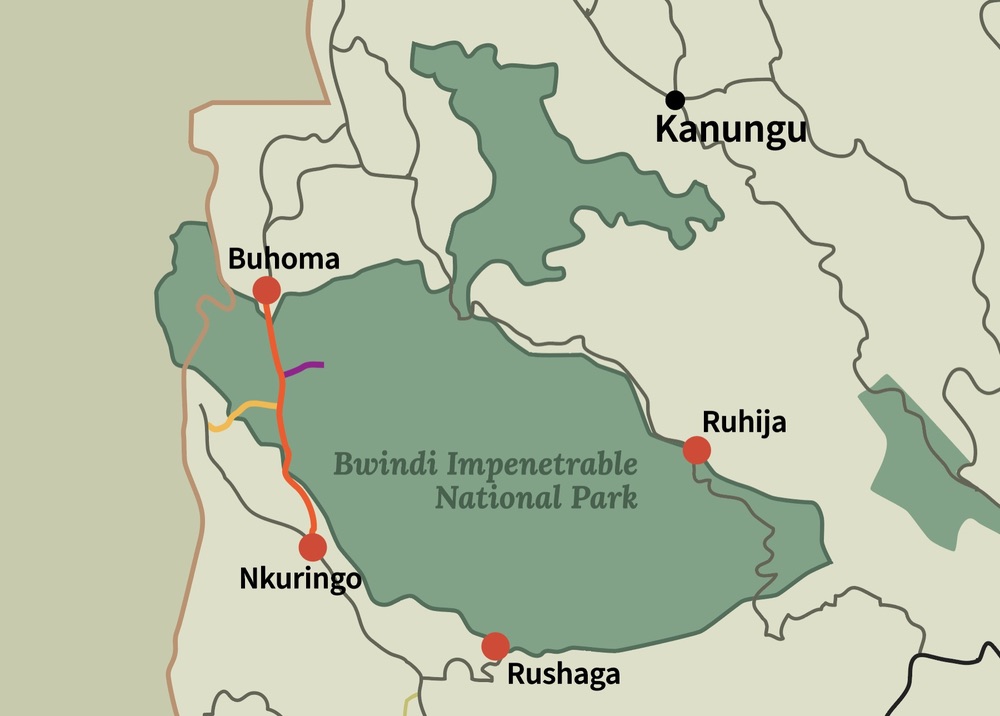
Bwindi Trail Map
Bwindi Trail Map
Bwindi Trail Map: A Complete Guide to Exploring the Impenetrable Forest
Introduction
Nestled in the southwestern region of Uganda, Bwindi Impenetrable Forest is a UNESCO World Heritage Site renowned for its breathtaking landscapes and rich biodiversity. This dense rainforest is home to nearly half of the world’s remaining mountain gorillas, making it one of the most sought-after destinations for wildlife enthusiasts and adventure seekers.
One of the best ways to explore this pristine wilderness is through its well-maintained hiking trails, which offer an immersive experience into the heart of the jungle. Whether you’re trekking to see the gorillas, discovering hidden waterfalls, or simply enjoying the lush vegetation, having a Bwindi trail map is essential for navigating this vast and rugged terrain.
In this guide, we’ll provide a comprehensive overview of the main trails, what to expect, and how to prepare for an unforgettable adventure in Bwindi Impenetrable National Park.
Understanding the Bwindi Trail System
Bwindi Impenetrable National Park is divided into four main sectors, each offering unique trekking experiences:
- Buhoma Sector (Northern Bwindi)
- Ruhija Sector (Eastern Bwindi)
- Rushaga Sector (Southern Bwindi)
- Nkuringo Sector (Southwestern Bwindi)
Each of these sectors has designated hiking trails that vary in difficulty, duration, and the type of wildlife you may encounter.
1. Buhoma Sector Trails
The Buhoma sector is the most popular entry point into Bwindi and offers some of the most scenic trails in the park.
Munyanga River Trail
- Difficulty: Easy
- Duration: 1-2 hours
- Highlights: Ideal for birdwatchers and those interested in primates like colobus monkeys.
Waterfall Trail
- Difficulty: Moderate
- Duration: 3-4 hours
- Highlights: Leads to three stunning waterfalls deep in the forest.
Rushura Hill Trail
- Difficulty: Moderate
- Duration: 3-4 hours
- Highlights: Offers panoramic views of the Virunga Volcanoes and the Albertine Rift Valley.
2. Ruhija Sector Trails
Located in the eastern part of Bwindi, Ruhija is known for its high-altitude trails and diverse bird species.
Mubwindi Swamp Trail
- Difficulty: Challenging
- Duration: 4-5 hours
- Highlights: A prime spot for birdwatching, including the rare African Green Broadbill.
Bamboo Trail
- Difficulty: Moderate
- Duration: 3-4 hours
- Highlights: Passes through lush bamboo forests, home to various primates.
3. Rushaga Sector Trails
The Rushaga sector is famous for its high concentration of gorilla families, making it a top choice for gorilla trekking.
Kashasha River Trail
- Difficulty: Moderate
- Duration: 4-5 hours
- Highlights: Connects Buhoma and Nkuringo, offering scenic views of the forest canopy.
Ivy River Trail
- Difficulty: Moderate
- Duration: 5-6 hours
- Highlights: A great alternative route for those seeking a longer hike through Bwindi.
4. Nkuringo Sector Trails
The Nkuringo sector is known for its steep terrain and rewarding views.
Nkuringo Gorilla Trekking Trail
- Difficulty: Challenging
- Duration: 6-8 hours
- Highlights: A physically demanding trek that offers a high chance of encountering mountain gorillas.
Bushaho Trail
- Difficulty: Moderate
- Duration: 3-4 hours
- Highlights: Ideal for nature lovers looking to explore Bwindi’s diverse flora and fauna.
How to Prepare for a Bwindi Trek
Essential Gear for Hiking in Bwindi
- Hiking boots – Waterproof and sturdy for muddy trails.
- Rain jacket – Bwindi is a rainforest, so expect sudden showers.
- Long-sleeved clothing – Protects against insects and thorny vegetation.
- Backpack – To carry essentials like water, snacks, and a camera.
- Binoculars – Perfect for spotting birds and distant wildlife.
Best Time to Visit Bwindi
The best time for trekking in Bwindi is during the dry seasons:
- June to September
- December to February
During these months, the trails are less muddy, making hiking easier and more enjoyable.
Frequently Asked Questions (FAQ)
1. Do I need a guide to hike in Bwindi?
Yes, all treks in Bwindi require a licensed guide. The dense forest can be challenging to navigate, and guides ensure your safety while providing valuable insights into the wildlife and ecosystem.
2. How difficult is gorilla trekking in Bwindi?
Gorilla trekking can be physically demanding, as it involves hiking through steep and dense terrain. However, porters are available to assist with carrying bags, making the trek more manageable.
3. Can I hike in Bwindi without a gorilla permit?
Yes, there are several hiking trails in Bwindi that do not require a gorilla permit. However, if you plan to see the mountain gorillas, you must obtain a permit in advance.
4. What wildlife can I see besides gorillas?
Bwindi is home to a variety of wildlife, including chimpanzees, forest elephants, duikers, and over 350 bird species.
5. How do I get to Bwindi Impenetrable National Park?
You can reach Bwindi by road from Kampala or Entebbe, or take a domestic flight to Kihihi or Kisoro airstrip, followed by a short drive to the park.
Conclusion
Exploring Bwindi through its hiking trails is an unforgettable experience that offers a deep connection with nature. Whether you’re trekking for gorilla encounters, birdwatching, or simply enjoying the breathtaking scenery, having a Bwindi trail map ensures a smooth and enjoyable adventure.
For the best experience, plan your trip well in advance, pack appropriately, and be prepared for an exhilarating journey through one of Africa’s most remarkable rainforests.