
Masai Mara Location
Masai Mara Location
Discovering the Majestic Masai Mara: Location, Wonders & Wildlife
Introduction
Nestled in the heart of East Africa lies one of the most iconic wildlife destinations on the planet — the Masai Mara National Reserve. Revered for its breathtaking landscapes, abundant wildlife, and the world-famous Great Migration, the Masai Mara is a crown jewel of Kenya’s tourism industry. But where exactly is this natural wonder located? In this comprehensive guide, we’ll explore the precise location of the Masai Mara, its geographical significance, and what makes it a must-visit destination for nature lovers and adventurers alike.
Where is the Masai Mara Located?
The Masai Mara National Reserve is located in southwestern Kenya, in Narok County, along the border with Tanzania. It forms the northernmost section of the Serengeti-Mara ecosystem, which spans across the international boundary into Tanzania’s Serengeti National Park.
Key Geographic Details:
- Country: Kenya
- County: Narok
- Coordinates: Approximately 1°29′S 35°8′E
- Bordering Country: Tanzania
- Nearest City: Narok Town (approx. 100 km away)
- Distance from Nairobi: About 270 kilometers (168 miles) southwest of Nairobi, Kenya’s capital
The reserve covers an area of approximately 1,510 square kilometers (583 square miles) and is part of the larger Greater Mara Ecosystem, which includes several private conservancies and community lands.
The Greater Mara Ecosystem
The Masai Mara is not a standalone park. It is part of a larger ecosystem that supports a wide range of biodiversity and includes:
- Mara Triangle: Managed by the Mara Conservancy, this is the westernmost part of the reserve.
- Private Conservancies: Such as Olare Motorogi, Naboisho, and Mara North Conservancy.
- Community Lands: Areas managed by the local Maasai communities.
These interconnected regions allow for the free movement of wildlife and provide a more sustainable tourism model that supports conservation and local livelihoods.
How to Get to the Masai Mara
By Air:
The fastest way to reach the Masai Mara is by taking a domestic flight from Nairobi’s Wilson Airport to one of the several airstrips within or near the reserve, such as:
- Keekorok Airstrip
- Ol Kiombo Airstrip
- Musiara Airstrip
- Mara Serena Airstrip
Flights typically take about 45 minutes and offer stunning aerial views of the Great Rift Valley and the savannah plains.
By Road:
For those seeking a more adventurous route, traveling by road from Nairobi is also an option. The journey takes approximately 5 to 6 hours, depending on the condition of the roads and traffic. A 4×4 vehicle is highly recommended, especially during the rainy season.
The Cultural Significance of the Masai Mara
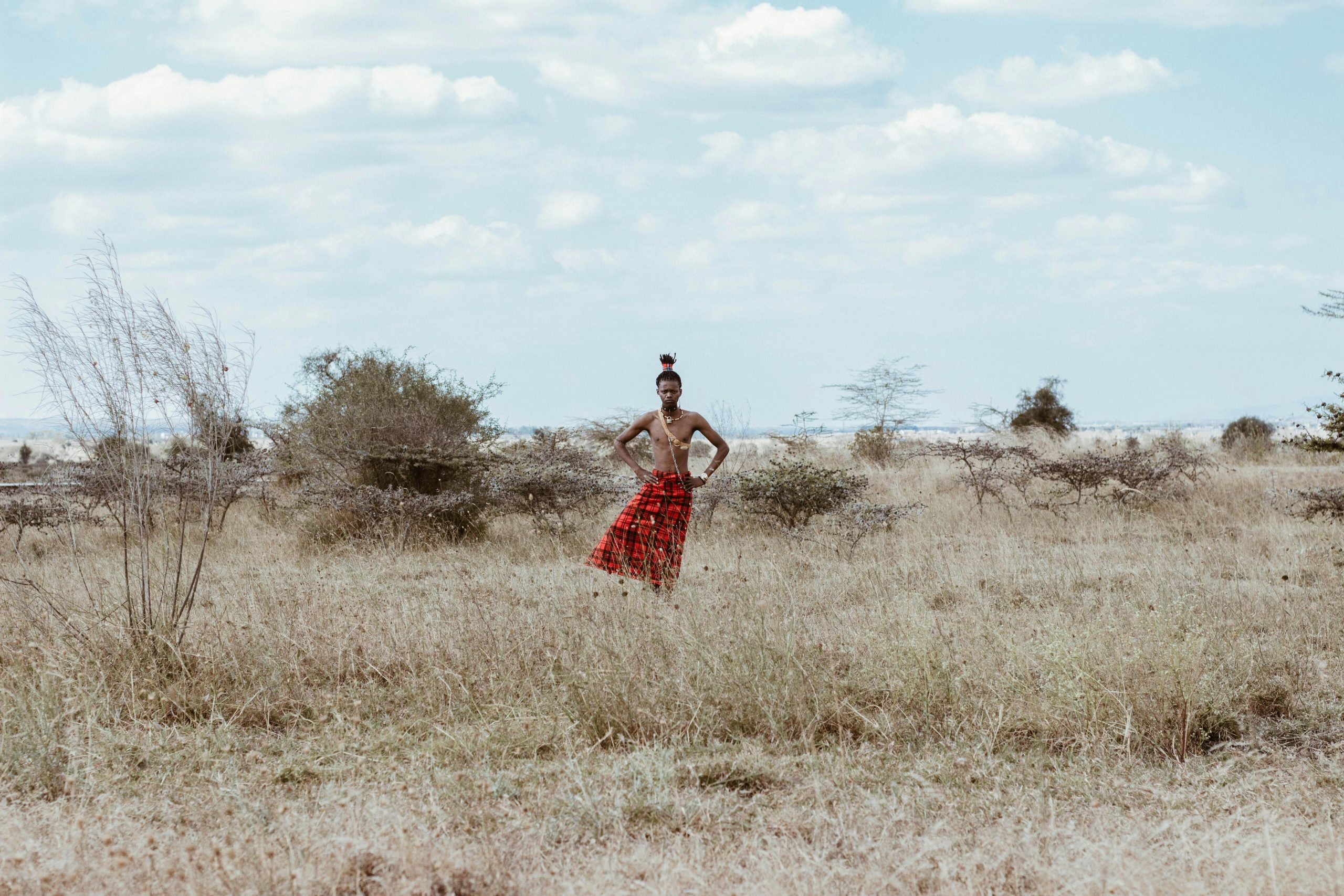
The reserve is named after the Maasai people, the semi-nomadic ethnic group that has inhabited the region for centuries, and the Mara River, which flows through the reserve. The Maasai have a deep spiritual and cultural connection to the land and play a crucial role in its conservation.
Cultural Highlights:
- Traditional Maasai villages (Manyattas)
- Maasai warrior dances and storytelling
- Beaded jewelry and crafts
- Community-based tourism initiatives
Visitors often have the opportunity to engage with the Maasai culture, gaining insights into their sustainable way of life and their role in preserving the ecosystem.
Unique Features of the Masai Mara
The Masai Mara is globally renowned for its rich biodiversity, dramatic landscapes, and the Great Wildebeest Migration — one of the most spectacular wildlife events on Earth.
Key Attractions:
- The Big Five: Lion, Leopard, Elephant, Buffalo, and Rhino
- The Great Migration: Over 1.5 million wildebeest, zebras, and gazelles migrate annually
- Predator Sightings: High density of lions, cheetahs, and hyenas
- Birdlife: Over 470 recorded species, including raptors and waterfowl
- Scenic Landscapes: Rolling savannahs, acacia woodlands, and riverine forests
Best Time to Visit the Masai Mara
The Masai Mara is a year-round destination, but your experience may vary depending on the season.
Seasonal Guide:
- July to October: Peak of the Great Migration; best for witnessing river crossings
- December to March: Calving season; excellent for predator action
- April to June: Green season; fewer tourists and lush landscapes
Each season offers unique photographic and wildlife-viewing opportunities. However, the dry months (June to October) are generally considered the best for game drives.
Conservation and Sustainability Efforts
The Masai Mara faces challenges such as habitat loss, human-wildlife conflict, and over-tourism. In response, several conservation initiatives have been implemented:
Notable Projects:
- Mara Conservancy: Manages the Mara Triangle with a focus on anti-poaching and community involvement
- Maasai Mara Wildlife Conservancies Association (MMWCA): Supports over 15 community conservancies
- Eco-Tourism Kenya: Promotes sustainable tourism practices
- Wildlife Corridors: Ensuring safe passage for migratory species
These efforts aim to balance tourism, conservation, and community development, ensuring the long-term survival of the ecosystem.
Accommodation Options in the Masai Mara
The reserve offers a wide range of accommodation options, from budget campsites to ultra-luxury lodges.
Types of Lodging:
- Luxury Lodges: Angama Mara, Mara Plains Camp, Mahali Mzuri
- Mid-Range Camps: Basecamp Explorer, Fig Tree Camp
- Budget Camps: Enchoro Wildlife Camp, Mara Explorers
- Mobile Tented Camps: Seasonal camps that move with the migration
Most lodges offer all-inclusive safari packages, including game drives, meals, and cultural experiences.
Activities in the Masai Mara
Beyond game drives, the Masai Mara offers a variety of immersive activities:
Top Experiences:
- Hot Air Balloon Safaris: Soar above the plains at sunrise
- Walking Safaris: Led by expert Maasai guides
- Night Game Drives: Spot nocturnal wildlife
- Photographic Safaris: With professional wildlife photographers
- Cultural Visits: Engage with local Maasai communities
These activities provide a deeper connection to the land and its inhabitants, making your safari truly unforgettable.
The Masai Mara in Global Media
The Masai Mara has been featured in numerous documentaries, films, and publications, further cementing its status as a global icon of wildlife conservation.
Notable Mentions:
- BBC’s Big Cat Diary
- National Geographic documentaries
- Disney’s African Cats
- Photographic books and wildlife magazines
These portrayals have helped raise awareness about the importance of preserving this unique ecosystem.
Frequently Asked Questions (FAQ)
1. Where exactly is the Masai Mara located?
The Masai Mara is situated in southwestern Kenya, in Narok County, bordering Tanzania’s Serengeti National Park. It lies about 270 km from Nairobi and forms part of the Greater Serengeti-Mara ecosystem.
2. What is the best time to visit the Masai Mara?
The best time to visit is during the Great Migration, from July to October, when millions of wildebeest and zebras cross the Mara River. However, the reserve offers excellent wildlife viewing year-round.
3. How do I get to the Masai Mara?
You can reach the Masai Mara by:
- Air: Flights from Nairobi’s Wilson Airport to local airstrips
- Road: A 5–6 hour drive from Nairobi, preferably in a 4×4 vehicle
4. Is it safe to travel to the Masai Mara?
Yes, the Masai Mara is generally safe for tourists. Most lodges and camps have security measures in place, and guided safaris are conducted by experienced professionals.
5. What kind of animals can I see in the Masai Mara?
The reserve is home to:
- The Big Five: Lion, Leopard, Elephant, Buffalo, Rhino
- Cheetahs, Hyenas, Giraffes, Zebras, Wildebeest
- Over 470 bird species
Conclusion
The Masai Mara is more than just a safari destination — it’s a living testament to the raw beauty of nature, the resilience of wildlife, and the harmony between humans and the environment. Its strategic location in southwestern Kenya, bordering the Serengeti, makes it a vital part of one of the most biodiverse ecosystems on Earth.
Whether you’re drawn by the thunder of hooves during the Great Migration, the majestic roar of a lion at dawn, or the rich cultural tapestry of the Maasai people, the Masai Mara promises an experience that is as profound as it is unforgettable.