
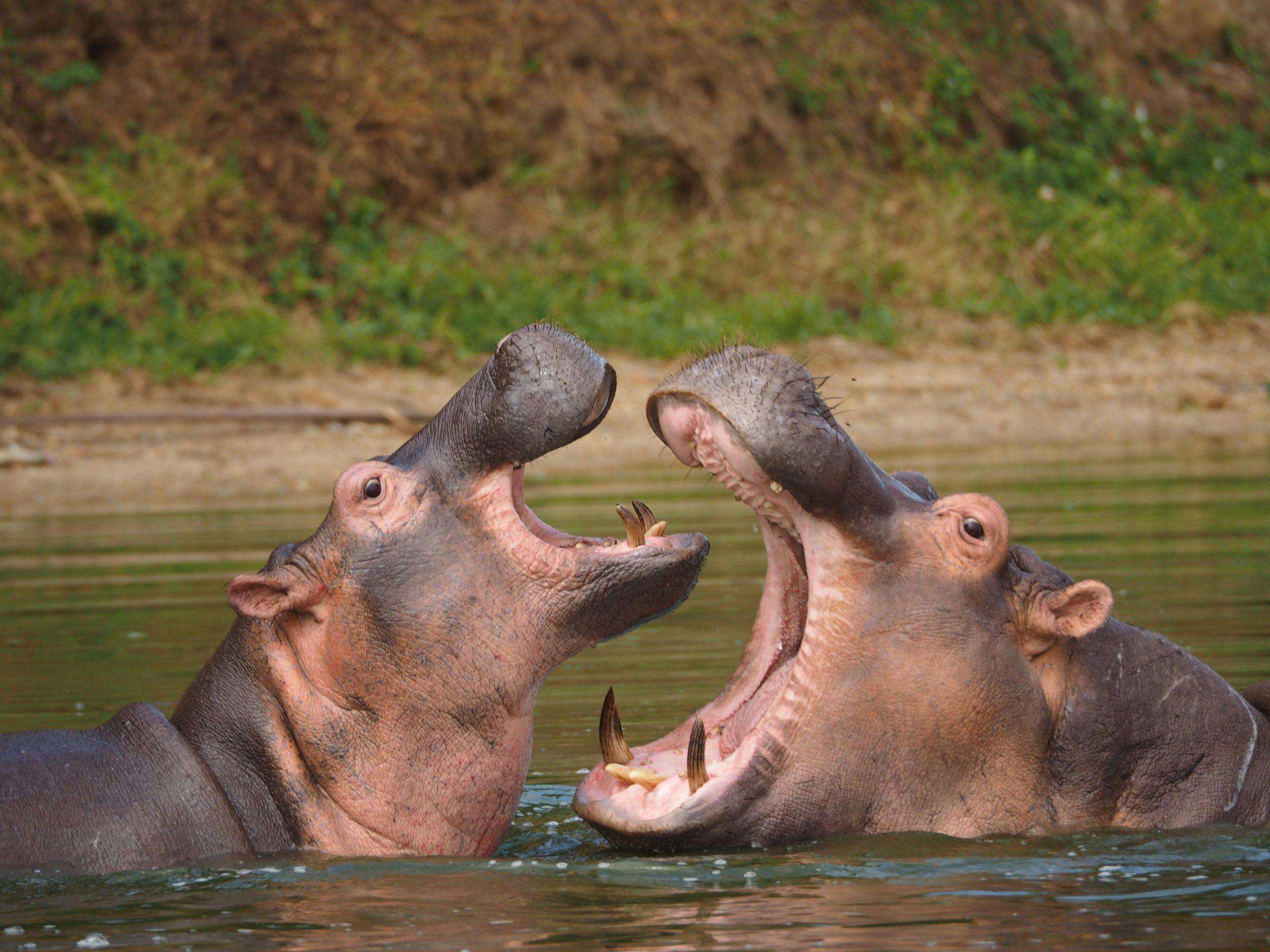
What to Pack for a Uganda Safari
What to Pack for a Uganda Safari
What to Pack for a Uganda Safari: The Ultimate Guide for a Seamless Adventure
Embarking on a safari in Uganda is an unforgettable experience. From tracking endangered mountain gorillas in the misty forests of Bwindi to cruising the Nile in Murchison Falls National Park, the variety of landscapes and wildlife is astounding. But to truly enjoy your adventure, packing the right gear is essential.
This guide walks you through everything you’ll need—from clothing and footwear to personal care items and travel documents—so you can focus on the experience, not what you forgot to bring.
Essential Safari Clothing
Uganda’s climate is tropical, with warm days and cooler nights, especially in higher altitudes. You’ll want to dress in layers and choose clothes that are comfortable, breathable, and appropriate for both the bush and the lodge.
Recommended Clothing:
- Lightweight, long-sleeved shirts to protect from the sun and insects
- Convertible trousers that can be zipped into shorts
- Neutral-colored T-shirts (avoid bright colors and dark blues)
- A fleece or light jacket for chilly mornings and evenings
- A rain jacket or poncho for sudden downpours
- A wide-brimmed hat for sun protection
- Quick-dry socks and undergarments
- Swimwear for lodge pools or hot springs
Avoid camouflage clothing, as it’s reserved for military use in Uganda and could cause issues with local authorities.
Footwear for the Terrain
Uganda’s terrain can be rugged, especially if you’re trekking through forests or hiking in the mountains. The right footwear will keep you comfortable and safe.
Footwear Essentials:
- Sturdy hiking boots for gorilla trekking and forest walks
- Comfortable walking shoes for game drives and city exploration
- Flip-flops or sandals for relaxing at the lodge or using in shared showers
Waterproof and breathable boots with good ankle support are ideal for the more intense treks.
Safari Gear and Accessories
Having the right accessories can greatly improve your safari experience. These items help you stay organized, safe, and prepared for any situation.
Useful Gear:
- A lightweight daypack or backpack
- Binoculars for spotting wildlife from a distance
- A reusable water bottle to stay hydrated
- A flashlight or headlamp (with extra batteries)
- Dry bags or zip-lock bags to protect electronics from moisture
- A travel adapter (Uganda uses UK-style plugs)
- Insect repellent with DEET or picaridin
Power outages are common in remote areas, so a flashlight or headlamp is a must.
Health and Personal Care Items
Access to pharmacies and medical supplies may be limited in rural areas, so it’s best to bring your own health and hygiene essentials.
Health Kit:
- Prescription medications (enough for the entire trip)
- Basic first aid kit (band-aids, antiseptic, painkillers, antihistamines)
- Sunscreen (SPF 30 or higher)
- Lip balm with SPF
- Hand sanitizer and wet wipes
- Personal toiletries (biodegradable soap, toothbrush, toothpaste, etc.)
- Feminine hygiene products
Consult your doctor about necessary vaccinations, including Yellow Fever, Hepatitis A and B, Typhoid, and Tetanus. Malaria prophylaxis is also highly recommended.
Travel Documents and Money
Uganda has specific entry requirements, and access to banking services can be limited outside major cities.
What You’ll Need:
- A passport valid for at least six months beyond your travel dates
- A tourist visa (can be obtained online before arrival)
- A Yellow Fever vaccination certificate (required for entry)
- Travel insurance that covers medical emergencies and trip cancellations
- Photocopies of important documents (keep digital and paper copies separate)
Money Tips:
- Bring US dollars in clean, recent bills (2009 or newer)
- Credit and debit cards are accepted in major cities and some lodges
- ATMs are limited in rural areas, so carry enough cash for tips and purchases
Photography and Tech Essentials
Uganda offers incredible photo opportunities. Whether you’re capturing wildlife, landscapes, or cultural moments, make sure you have the right equipment.
Photography Checklist:
- A DSLR or mirrorless camera with a zoom lens (200mm or more)
- Extra memory cards
- Spare batteries and a charger
- A power bank for charging devices on the go
- A smartphone with offline maps and translation apps
Always ask permission before photographing people, especially in rural communities.
Packing Tips for Uganda’s Climate
Uganda has two rainy seasons: March to May and September to November. Even during the dry season, weather can change quickly, especially in forested areas.
Climate-Savvy Packing:
- Dress in layers to adapt to temperature changes
- Choose quick-dry fabrics for humid conditions
- Use packing cubes to stay organized
- Leave space in your bag for souvenirs
Always carry a rain jacket or poncho in your daypack, even if the forecast looks clear.
What NOT to Pack
Avoid overpacking or bringing items that may be unnecessary or problematic in Uganda.
Leave These at Home:
- Camouflage clothing
- Drones (require special permits)
- Expensive jewelry or valuables
- Hair dryers (many lodges have limited electricity)
- Plastic bags (banned in Uganda)
Respect local customs and environmental regulations to ensure a smooth and responsible journey.
Frequently Asked Questions
1. What is the best time to go on safari in Uganda?
The best time is during the dry seasons: June to August and December to February. These months offer better wildlife viewing and easier trekking conditions.
2. Do I need special gear for gorilla trekking?
Yes. You’ll need sturdy hiking boots, gloves, long pants, and a waterproof backpack. Gaiters and a walking stick (often provided) are also helpful.
3. Is it safe to drink tap water?
No. Always drink bottled or filtered water. A reusable water bottle with a built-in filter is a great option.
4. How much luggage should I bring?
Pack light. Many domestic flights and safari vehicles have strict luggage limits (usually 15 kg in soft-sided bags). Duffel bags are preferred over hard suitcases.
5. What vaccinations are required?
Yellow Fever is mandatory. Other recommended vaccines include Hepatitis A and B, Typhoid, Tetanus, and Rabies. Consult a travel doctor before your trip.
Final Thoughts
A safari in Uganda is a once-in-a-lifetime experience, and being well-prepared allows you to focus on the adventure. From the dense jungles of Bwindi to the open plains of Queen Elizabeth National Park, Uganda offers diverse ecosystems and unforgettable wildlife encounters.
Packing smartly—without overpacking—ensures that you’re ready for whatever the journey brings. With the right gear, clothing, and mindset, your Ugandan safari will be as comfortable as it is exhilarating.