
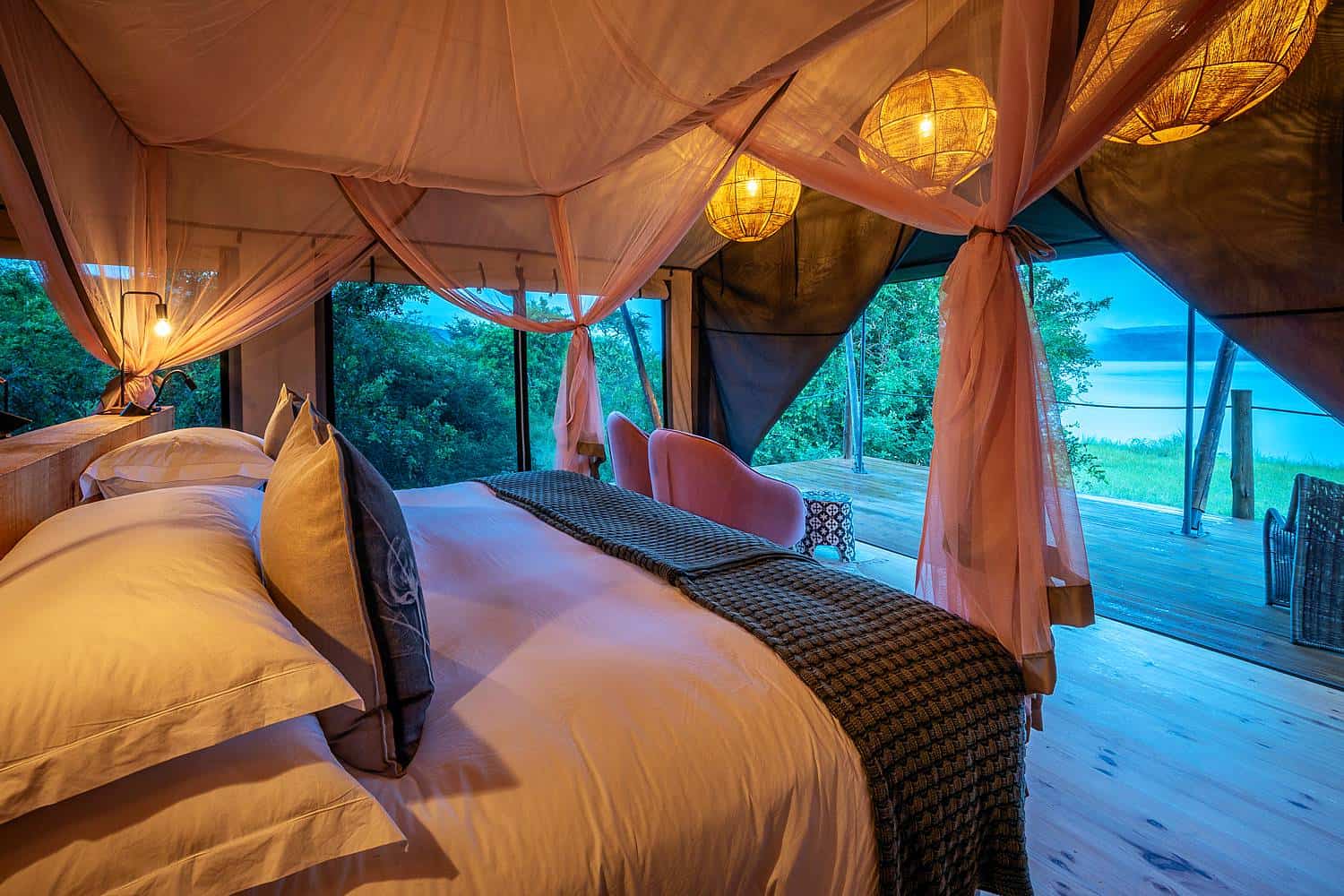
Camping Safari in Rwanda
Camping Safari in Rwanda
Ultimate Guide to a Camping Safari in Rwanda: Explore the Heart of Africa
Introduction
Nestled in the heart of East Africa, Rwanda offers one of the most captivating and intimate wildlife experiences on the continent. A camping safari in Rwanda is not just a journey through lush landscapes and diverse ecosystems—it’s a transformative adventure that immerses you in the raw beauty of nature. From the misty mountains of Volcanoes National Park to the savannahs of Akagera, Rwanda is a sanctuary for both wildlife and wanderers.
In this comprehensive guide, we’ll explore everything you need to know about planning the perfect camping safari in Rwanda, including the best parks, camping tips, wildlife encounters, and how to make your trip eco-conscious and unforgettable.
Why Choose Rwanda for a Camping Safari?
A Unique Blend of Ecosystems
Rwanda is often referred to as the “Land of a Thousand Hills,” and for good reason. Its diverse topography includes:
- Volcanic mountains in the north
- Tropical rainforests in the west
- Savannah plains in the east
- Lakes and wetlands throughout the country
This variety makes Rwanda a prime destination for nature lovers and adventure seekers alike.
Intimate Wildlife Encounters
Unlike some of the more crowded safari destinations in Africa, Rwanda offers a more exclusive and serene experience. The country is home to:
- Mountain gorillas in Volcanoes National Park
- Big Five (lion, leopard, elephant, buffalo, rhino) in Akagera National Park
- Chimpanzees and other primates in Nyungwe Forest National Park
Eco-Tourism and Conservation
Rwanda is a global leader in conservation and sustainable tourism. The government and local communities work hand-in-hand to preserve biodiversity and promote responsible travel.
Top Camping Safari Destinations in Rwanda
1. Volcanoes National Park
Highlights:
- Home to over one-third of the world’s remaining mountain gorillas
- Lush bamboo forests and volcanic peaks
- Excellent for gorilla trekking and bird watching
Camping Options:
- Kinigi Guesthouse Campsite: Basic but scenic, with views of the Virunga Mountains
- Community Campsites: Run by local cooperatives, offering cultural experiences
2. Akagera National Park
Highlights:
- Rwanda’s only savannah park
- Reintroduction of lions and black rhinos
- Boat safaris on Lake Ihema
Camping Options:
- Shakani Campsite: Lakeside location with hippo and bird sightings
- Mutumba Hill Campsite: Elevated views and cool breezes
3. Nyungwe Forest National Park
Highlights:
- One of Africa’s oldest rainforests
- Over 13 primate species including chimpanzees
- Canopy walkway for a bird’s-eye view
Camping Options:
- Gisakura Guesthouse Campsite: Near the park entrance
- Uwinka Campsite: Deep in the forest with immersive nature sounds
What to Pack for a Camping Safari in Rwanda
Packing smart is essential for a successful camping safari. Here’s a checklist of must-haves:
Essentials:
- Lightweight tent and sleeping bag
- Portable camping stove or cooking gear
- Reusable water bottles and purification tablets
- Flashlight or headlamp with extra batteries
Clothing:
- Neutral-colored clothing (avoid bright colors)
- Waterproof jacket and warm layers for chilly nights
- Hiking boots and sandals
- Wide-brimmed hat and sunglasses
Health & Safety:
- Insect repellent with DEET
- First-aid kit with malaria prophylaxis
- Sunscreen and lip balm with SPF
- Personal hygiene items (biodegradable soap, wet wipes)
Wildlife You May Encounter
Rwanda’s national parks are teeming with biodiversity. Depending on where you camp, you may encounter:
Mammals:
- Mountain gorillas
- Elephants
- Giraffes
- Zebras
- Golden monkeys
Birds:
- Shoebill stork
- Great blue turaco
- African fish eagle
- Sunbirds and weavers
Reptiles & Amphibians:
- Nile crocodiles
- Tree frogs
- Chameleons
Best Time to Go on a Camping Safari in Rwanda
Rwanda has a temperate tropical climate, making it a year-round destination. However, for the best camping experience:
Dry Seasons (Best for Camping):
- June to September
- December to February
These months offer clearer skies, easier trekking conditions, and better wildlife visibility.
Rainy Seasons:
- March to May (long rains)
- October to November (short rains)
While the landscape is lush and green, trails can be slippery and some campsites may be less accessible.
Cultural Experiences to Enhance Your Safari
Rwanda’s rich cultural heritage adds depth to your camping safari. Consider integrating these experiences:
Community Visits:
- Iby’Iwacu Cultural Village near Volcanoes National Park
- Imigongo Art Workshops in Eastern Rwanda
Traditional Cuisine:
- Try local dishes like:
- Isombe (cassava leaves with peanut sauce)
- Brochettes (grilled meat skewers)
- Ugali (maize porridge)
Music and Dance:
- Participate in Intore dance performances
- Attend local festivals if your trip coincides
Responsible and Sustainable Camping
To preserve Rwanda’s pristine environment and support local communities:
Follow Leave No Trace Principles:
- Pack out all trash
- Use biodegradable products
- Avoid disturbing wildlife
Support Local:
- Hire local guides and porters
- Buy handmade crafts and souvenirs
- Stay at community-run campsites
Respect Park Rules:
- Stick to designated trails
- Keep a safe distance from animals
- Avoid loud noises and flash photography
Planning Your Camping Safari: Step-by-Step
- Choose Your Parks: Decide based on your interests—primates, savannah, or rainforest.
- Book Permits: Especially for gorilla trekking, permits are limited and must be reserved in advance.
- Arrange Transport: Rent a 4×4 or hire a driver-guide.
- Pack Accordingly: Refer to the checklist above.
- Stay Informed: Check weather, park regulations, and health advisories.
Frequently Asked Questions (FAQ)
1. Do I need a permit for gorilla trekking?
Yes, a gorilla trekking permit is mandatory and costs around $1,500 per person. It includes a guided trek and one hour with the gorillas.
2. Is it safe to camp in Rwanda’s national parks?
Absolutely. Rwanda is one of the safest countries in Africa. Campsites are monitored, and park rangers are always available. However, always follow safety guidelines.
3. Can I go on a self-drive safari?
Yes, especially in Akagera National Park, which is well-suited for self-drives. A 4×4 vehicle is recommended, and maps are available at the park entrance.
4. What vaccinations do I need?
You’ll need a yellow fever vaccination to enter Rwanda. It’s also recommended to be up to date on hepatitis A, typhoid, and tetanus. Consult your doctor for personalized advice.
5. Are there guided camping safaris available?
Yes, many tour operators offer guided camping safaris that include transportation, meals, and park fees. This is ideal for first-time visitors or those seeking a hassle-free experience.
Final Thoughts
A camping safari in Rwanda is more than just a vacation—it’s a journey into the soul of Africa. Whether you’re tracking gorillas through misty forests, gazing at giraffes across golden plains, or listening to the symphony of the jungle at night, Rwanda offers a deeply personal and unforgettable adventure.
By choosing to camp, you not only connect more intimately with nature but also contribute to sustainable tourism that empowers local communities and protects endangered species.
So pack your gear, open your heart, and let Rwanda’s wild beauty transform you.