
Karamoja Safari
Karamoja Safari
Karamoja Safari: Discover Uganda’s Untamed Wilderness and Cultural Heartland
Introduction
Tucked away in the remote northeastern corner of Uganda lies a hidden gem that remains one of Africa’s most authentic and untouched travel destinations — Karamoja. A Karamoja safari is not your typical African wildlife experience. Instead, it offers a rich tapestry of raw landscapes, unique wildlife, and deeply rooted cultural traditions. For the intrepid traveler seeking a journey off the beaten path, Karamoja delivers an unforgettable adventure.
In this comprehensive guide, we’ll explore everything you need to know about embarking on a Karamoja safari — from its breathtaking landscapes and rare wildlife to its vibrant indigenous communities and sustainable tourism initiatives.
Why Choose a Karamoja Safari?
Unlike the more commercialized safari destinations in East Africa, Karamoja remains largely unexplored. This means fewer crowds, more authentic encounters, and the opportunity to witness a region where nature and culture remain in perfect harmony.
Unique Selling Points of a Karamoja Safari
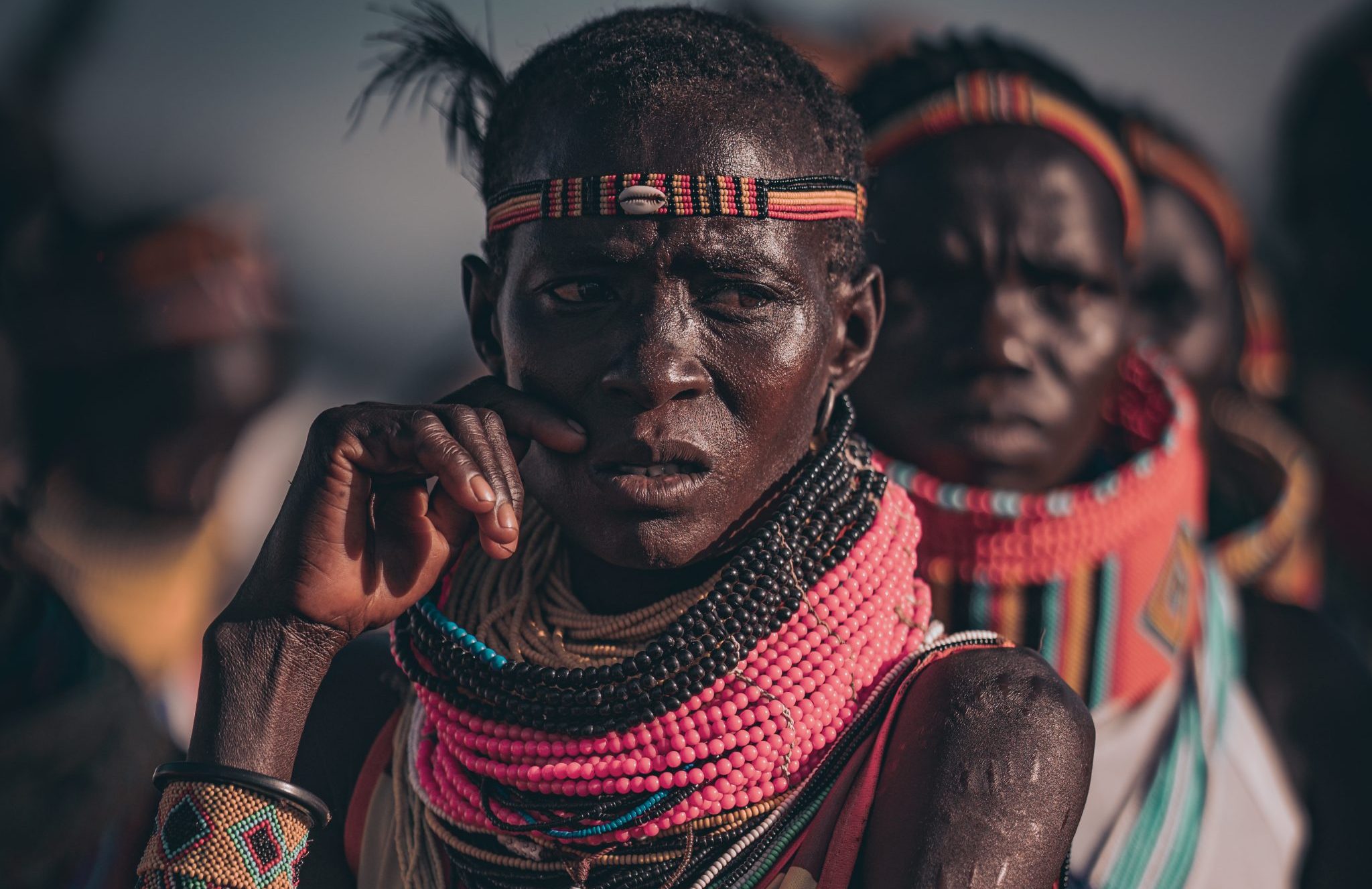
- Cultural Immersion: Engage with the Karimojong people, a proud pastoralist community with rich traditions, music, and dance.
- Untouched Wilderness: Explore Kidepo Valley National Park, one of Africa’s most remote and pristine parks.
- Adventure Tourism: Hike the rugged Mount Moroto, go rock climbing, or camp under the stars.
- Wildlife Encounters: Spot lions, cheetahs, elephants, and over 475 bird species in their natural habitat.
- Sustainable Travel: Support community-based tourism initiatives that empower local people and protect the environment.
Getting to Karamoja
Karamoja is accessible by both road and air, although the journey itself is part of the adventure.
By Road
- From Kampala, Uganda’s capital, it’s a 10-12 hour drive via Soroti or Mbale.
- 4×4 vehicles are recommended due to rough terrain, especially during the rainy season.
By Air
- Chartered flights are available to Kidepo Airstrip, which is close to Kidepo Valley National Park.
- Domestic flights operated by Aerolink Uganda or Bar Aviation offer quicker access for those short on time.
Top Attractions on a Karamoja Safari
1. Kidepo Valley National Park
Often referred to as the “Masai Mara of Uganda,” this park is a must-visit.
Highlights:
- Narus Valley: Ideal for game drives; home to lions, buffaloes, and giraffes.
- Kanangorok Hot Springs: A mystical site near the South Sudan border.
- Birdwatching: Spot rare species like the Karamoja Apalis and Ostrich.
Explore Kidepo Valley National Park
2. Mount Moroto
A sacred mountain for the Karimojong, Mount Moroto offers stunning views and cultural encounters.
Activities:
- Guided hikes with local warriors
- Rock climbing and nature walks
- Camping with panoramic views
3. Cultural Villages
Experience the daily life of the Karimojong people through immersive cultural tours.
What to Expect:
- Traditional dances and storytelling
- Cattle herding and milking activities
- Craft making and local cuisine tasting
4. Pian Upe Wildlife Reserve
This lesser-known reserve is a haven for rare species and offers a tranquil safari experience.
Wildlife to Spot:
- Roan antelope
- Cheetah
- Leopard
- Hyena
Visit Pian Upe Wildlife Reserve
Best Time to Visit Karamoja
Karamoja experiences a semi-arid climate, making it accessible year-round. However, the best time for a safari is during the dry seasons.
Dry Seasons:
- December to March
- June to September
Rainy Seasons:
- April to May
- October to November
During the dry season, wildlife is easier to spot, and roads are more accessible.
Where to Stay in Karamoja
From eco-lodges to community-run campsites, accommodation options in Karamoja cater to all budgets.
Recommended Lodges:
- Apoka Safari Lodge – Luxury lodge inside Kidepo Valley National Park
- Kara-Tunga Safari Camp – Community-based lodge in Moroto
- Nga’Moru Wilderness Camp – Mid-range lodge with stunning views
Book your stay at Kara-Tunga Safari Camp
Sustainable Tourism in Karamoja
Tourism in Karamoja is deeply rooted in sustainability and community empowerment.
Community-Based Tourism Initiatives
- Kara-Tunga Tours: Offers cultural experiences led by local guides.
- Karamoja Arts & Crafts: Support local artisans by purchasing handmade jewelry and textiles.
- Eco-tourism Projects: Participate in tree planting and wildlife conservation programs.
Support sustainable tourism in Karamoja
What to Pack for a Karamoja Safari
To ensure a comfortable and safe trip, here’s a list of essentials:
Safari Essentials:
- Lightweight, breathable clothing
- Sturdy hiking boots
- Hat and sunglasses
- Insect repellent
- Refillable water bottle
- Binoculars and camera
- First aid kit
Cultural Sensitivity:
- Modest clothing for village visits
- Small gifts or tokens for hosts
- Learn a few local phrases (e.g., “Ejok” means hello)
Safety and Travel Tips
Karamoja is generally safe for tourists, but it’s important to follow local guidelines and travel with a reputable tour operator.
Tips for a Safe Safari:
- Always travel with a local guide
- Avoid night travel in remote areas
- Respect local customs and traditions
- Stay updated on weather and road conditions
Sample Itinerary: 7-Day Karamoja Safari
Here’s a suggested itinerary to help you make the most of your trip.
Day 1: Arrival in Kampala
- Overnight stay in Entebbe or Kampala
Day 2: Drive to Moroto
- Scenic drive through eastern Uganda
- Cultural evening at Kara-Tunga Camp
Day 3: Mount Moroto Hike
- Full-day guided trek
- Overnight camping on the mountain
Day 4: Cultural Village Tour
- Visit a Karimojong homestead
- Participate in traditional activities
Day 5: Transfer to Kidepo Valley National Park
- Evening game drive
Day 6: Full-Day Safari in Kidepo
- Explore Narus and Kidepo Valleys
- Visit Kanangorok Hot Springs
Day 7: Return to Kampala or fly out from Kidepo
Customize your safari itinerary
Frequently Asked Questions (FAQ)
1. Is Karamoja safe for tourists?
Yes, Karamoja is safe for travelers, especially when visiting with a certified tour operator. Local communities are welcoming, and tourism is encouraged as a means of development.
Read more about safety in Uganda
2. What wildlife can I see in Karamoja?
You can spot lions, elephants, giraffes, cheetahs, zebras, and over 475 species of birds, especially in Kidepo Valley National Park and Pian Upe Wildlife Reserve.
3. What is the best time to visit Karamoja?
The best time is during the dry seasons: December to March and June to September. Wildlife viewing and road conditions are optimal during these months.
4. How can I support local communities during my safari?
Choose community-based lodges, buy local crafts, and participate in cultural experiences that directly benefit the Karimojong people.
5. Do I need a visa to visit Uganda?
Yes, most travelers require a visa. You can apply online for an Uganda e-visa. Ensure your passport is valid for at least six months.
Conclusion
A Karamoja safari is more than just a wildlife expedition — it’s a journey into the soul of Uganda. From the dramatic landscapes of Kidepo to the vibrant traditions of the Karimojong people, every moment is steeped in authenticity and wonder. Whether you’re trekking sacred mountains, dancing with warriors, or watching lions roam the savannah, Karamoja offers a safari experience unlike any other.
So, if you’re ready to step off the beaten path and into a world of raw beauty and cultural richness, Karamoja is waiting.