
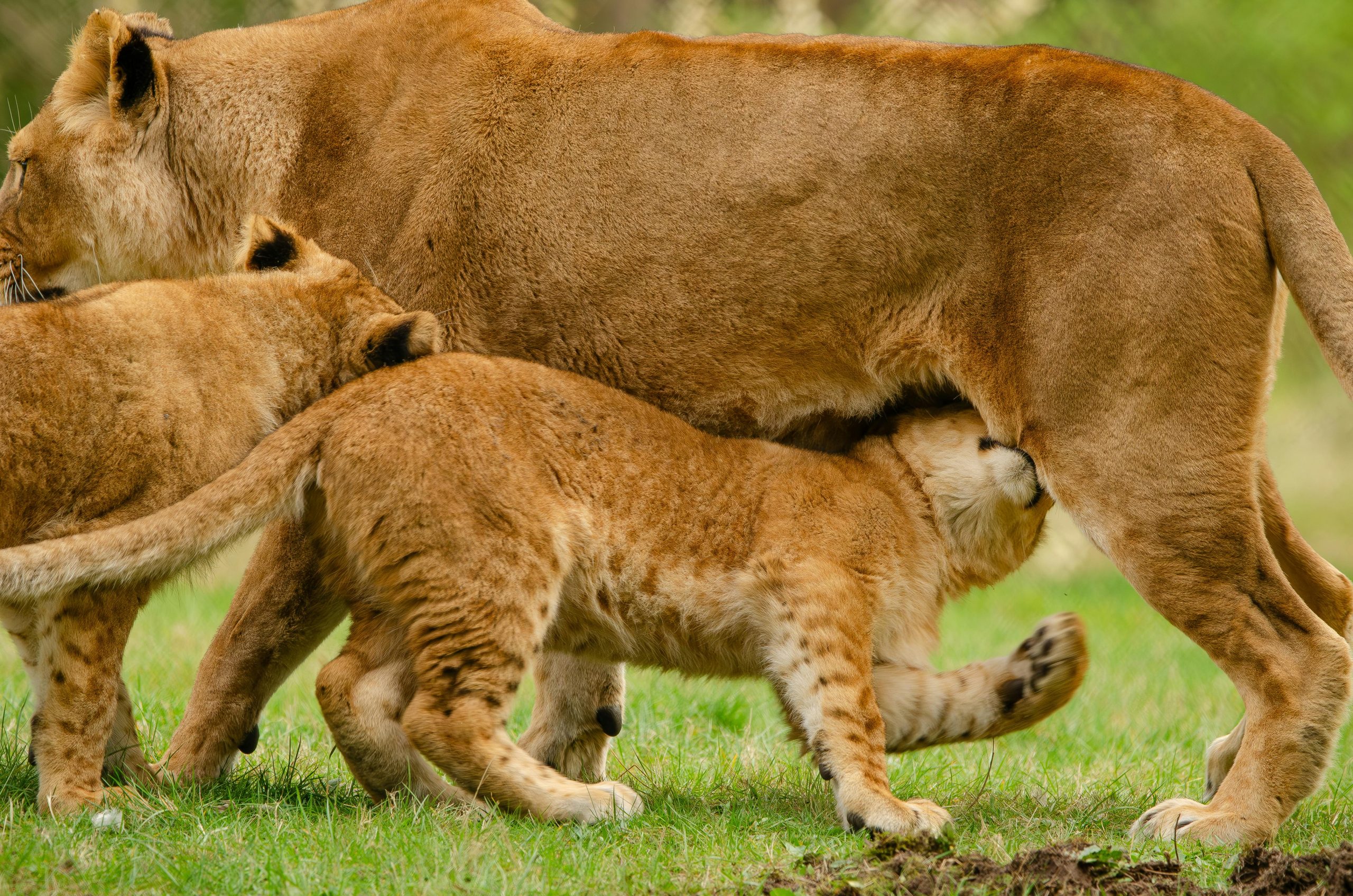
Lion National Geographic
Lion National Geographic
The Majestic Lion: A Deep Dive into the King of Beasts Through the Eyes of National Geographic
Introduction
The lion, often referred to as the “King of the Jungle,” is one of the most iconic and revered animals in the world. Through the lens of National Geographic, this majestic predator has been brought into the homes and hearts of millions, offering a unique perspective on its behavior, habitat, and role in the ecosystem. In this comprehensive article, we explore the lion’s life in the wild, its cultural significance, conservation status, and the groundbreaking work done by National Geographic to document and protect this regal species.
The Lion’s Natural Habitat
Lions primarily inhabit the grasslands, savannas, and open woodlands of sub-Saharan Africa. A small population also exists in the Gir Forest of India, known as the Asiatic lion. These environments provide the perfect blend of cover and prey availability that lions need to thrive.
Key Regions Where Lions Are Found:
- Serengeti National Park, Tanzania
- Maasai Mara, Kenya
- Kruger National Park, South Africa
- Okavango Delta, Botswana
- Gir Forest National Park, India
Each of these regions has been extensively covered in National Geographic documentaries and articles, showcasing the diverse ecosystems that support lion populations.
Social Structure and Behavior
Lions are unique among big cats due to their complex social structure. They live in groups called prides, which typically consist of:
- Multiple related females
- Their offspring
- A coalition of 1–3 males
Characteristics of Lion Prides:
- Female Dominance: Lionesses are the primary hunters and caretakers of cubs.
- Male Role: Males protect the pride’s territory from rival males and predators.
- Territorial Behavior: Prides defend territories that can span up to 100 square miles.
National Geographic has captured stunning footage of pride dynamics, highlighting everything from tender moments between mothers and cubs to violent clashes between rival males.
Hunting and Diet
Lions are apex predators and primarily hunt large herbivores such as:
- Zebras
- Wildebeests
- Buffalo
- Antelope
They employ cooperative hunting strategies, often using stealth and teamwork to ambush prey. Female lions do the majority of the hunting, while males typically eat first after a kill.
Hunting Techniques Documented by National Geographic:
- Ambush Hunts: Using tall grass and terrain for cover
- Stalking: Approaching prey silently before a quick burst of speed
- Group Coordination: Encircling prey to cut off escape routes
These behaviors have been vividly illustrated in National Geographic’s award-winning series like Big Cat Week and Savage Kingdom.
Lions in Culture and Mythology
Lions have held symbolic significance across cultures for centuries. They are often associated with strength, courage, and royalty.
Cultural Representations:
- Ancient Egypt: Lions represented war and protection.
- Greek Mythology: The Nemean lion was slain by Hercules as part of his twelve labors.
- Christian Symbolism: Lions are seen as symbols of resurrection and divine power.
- Modern Media: From The Lion King to sports team mascots, lions continue to inspire awe.
National Geographic often explores these cultural dimensions, offering a holistic view of the lion’s place in human history.
National Geographic’s Role in Lion Conservation
For decades, National Geographic has been at the forefront of lion conservation and education. Through its Big Cats Initiative, it aims to halt the decline of big cat populations through:
- Scientific research
- Public awareness campaigns
- Community-based conservation projects
Notable Contributions:
- Documentaries: Such as The Last Lions and Battle for the Pride.
- Photography: Iconic images by photographers like Beverly Joubert and Steve Winter.
- Grants: Funding for fieldwork and anti-poaching efforts.
Their work has significantly influenced global policies and inspired grassroots movements to protect lions.
Threats Facing Lions Today
Despite their iconic status, lions face numerous threats that jeopardize their survival.
Major Threats:
- Habitat Loss: Due to agriculture, urbanization, and deforestation
- Human-Wildlife Conflict: Retaliatory killings by farmers and herders
- Poaching and Illegal Trade: For body parts and trophies
- Climate Change: Altering prey availability and habitat conditions
National Geographic has extensively reported on these issues, often highlighting the urgent need for sustainable solutions.
Conservation Efforts and Success Stories
There is hope for lions, thanks to collaborative conservation efforts involving governments, NGOs, and local communities.
Successful Initiatives:
- Lion Guardians (Kenya): Employing Maasai warriors to protect lions
- Panthera’s Furs for Life Program: Reducing demand for lion skins in traditional ceremonies
- Rewilding Projects: Reintroducing lions into protected areas
- Community-Based Tourism: Incentivizing locals to conserve wildlife
National Geographic’s storytelling has played a crucial role in promoting these efforts and securing funding for future projects.
How You Can Help Protect Lions
Even if you’re thousands of miles from Africa, you can contribute to lion conservation.
Ways to Make a Difference:
- Donate to organizations like the Big Cats Initiative
- Adopt a Lion through symbolic programs
- Educate Others about the plight of lions
- Support Ethical Tourism in lion habitats
- Avoid Products linked to wildlife exploitation
By taking action, you become part of a global movement to ensure that future generations can marvel at lions in the wild.
FAQ
1. How many lions are left in the wild today?
There are an estimated 20,000 lions remaining in the wild, a significant decline from previous decades due to habitat loss and poaching.
2. What is the difference between African and Asiatic lions?
African lions are larger and have a broader distribution, while Asiatic lions are smaller, with a distinctive fold of skin along their bellies and are found only in India’s Gir Forest.
3. Why do male lions have manes?
The mane serves as a sign of health and virility, deterring rivals and attracting mates. It also provides some protection during fights.
4. Are lions endangered?
Lions are classified as Vulnerable by the IUCN, with some populations critically endangered due to rapid declines in numbers.
5. What is National Geographic doing to help lions?
Through the Big Cats Initiative, National Geographic funds research, supports anti-poaching efforts, and raises awareness about the threats facing lions.
Conclusion
The lion is more than just a symbol of power and majesty—it is a keystone species whose survival is intricately linked to the health of its ecosystem. Thanks to the tireless efforts of National Geographic and its partners, we have an unparalleled window into the lives of these magnificent creatures. But the fight is far from over. With continued support, education, and action, we can ensure that the roar of the lion continues to echo across the savannas for generations to come.