
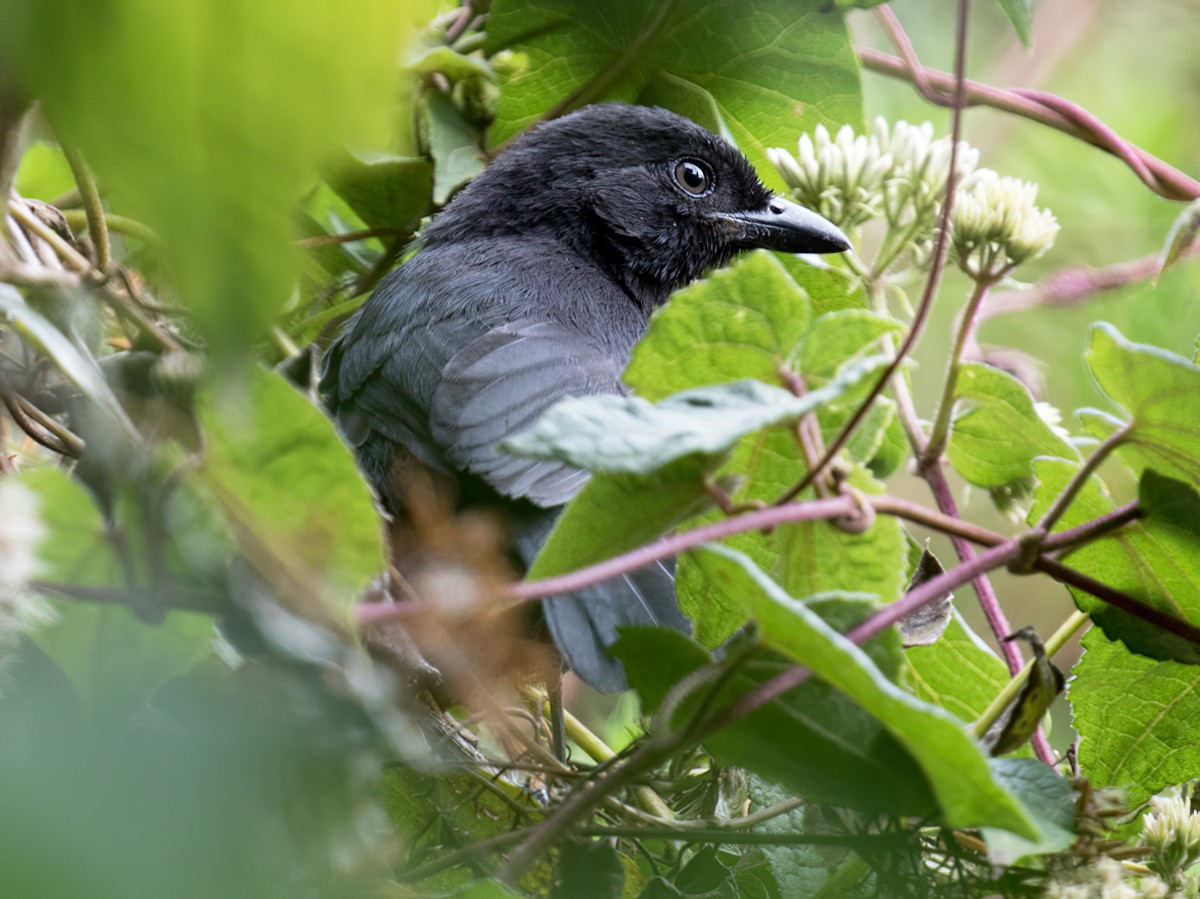
Albertine Sooty Boubou
Albertine Sooty Boubou
The Albertine Sooty Boubou: A Deep Dive into the Life, Habitat, and Conservation of a Rare African Songbird
Introduction
The Albertine Sooty Boubou (Laniarius holomelas) is a captivating and elusive bird species endemic to the Albertine Rift, a region renowned for its exceptional biodiversity. This striking bird, cloaked in shades of jet black and deep slate, is more than just a visual marvel—it plays a crucial role in the ecological balance of its native environment.
In this comprehensive guide, we’ll explore the taxonomy, habitat, behavior, and conservation status of the Albertine Sooty Boubou. We’ll also delve into the importance of preserving its natural habitat and the ongoing efforts to ensure its survival. Whether you’re a birdwatcher, conservationist, or simply a lover of nature, this article will provide rich insights into one of Africa’s lesser-known avian treasures.
Taxonomy and Classification
The Albertine Sooty Boubou belongs to the family Malaconotidae, commonly known as bushshrikes. These birds are known for their melodious calls and secretive habits.
- Kingdom: Animalia
- Phylum: Chordata
- Class: Aves
- Order: Passeriformes
- Family: Malaconotidae
- Genus: Laniarius
- Species: Laniarius holomelas
This species was once considered a subspecies of the Mountain Sooty Boubou, but recent studies have justified its classification as a distinct species due to vocal and genetic differences.
Physical Characteristics
The Albertine Sooty Boubou is a medium-sized bird, typically measuring around 20 cm in length. Its plumage is predominantly black with a slight bluish sheen, giving it a velvety appearance in sunlight.
Distinctive Features
- Coloration: Uniformly black with a slight gloss
- Eyes: Dark brown to black
- Beak: Short, strong, and slightly hooked—ideal for catching insects
- Tail: Long and often held upright when perched
These features help it blend seamlessly into the dense undergrowth of its forest habitat, making it a challenge to spot even for experienced birdwatchers.
Habitat and Distribution
The Albertine Sooty Boubou is endemic to the Albertine Rift, a mountainous region stretching across several Central and East African countries, including:
- Democratic Republic of Congo
- Rwanda
- Uganda
- Burundi
Preferred Habitats
- Montane forests
- Dense undergrowth
- Forest edges and clearings
This bird thrives at elevations between 1,200 and 2,600 meters above sea level. It prefers areas with thick vegetation, which provides both food and protection from predators.
Behavior and Diet
The Albertine Sooty Boubou is a territorial and secretive bird, often heard before it is seen. Its call is a series of rich, melodious whistles, often performed in duets between mates.
Feeding Habits
- Insectivorous: Feeds primarily on insects and other small invertebrates
- Foraging Style: Gleans insects from leaves and branches, often in pairs or small family groups
Social Behavior
- Monogamous pairs
- Territorial calls
- Minimal flocking behavior
This bird is often found in pairs, communicating through a series of antiphonal duets that help maintain pair bonds and territorial boundaries.
Breeding and Lifecycle
Little is known about the exact breeding habits of the Albertine Sooty Boubou due to its elusive nature. However, based on observations and comparisons with related species, we can infer the following:
Breeding Season
- Likely coincides with the rainy season when food is abundant
Nesting
- Nest Type: Cup-shaped, built in dense foliage
- Materials: Twigs, grasses, and spider webs
- Location: Low shrubs or small trees
Reproduction
- Clutch Size: Typically 2–3 eggs
- Incubation Period: Approximately 14–16 days
- Fledging Period: Around 2–3 weeks post-hatching
Conservation Status
According to the IUCN Red List, the Albertine Sooty Boubou is currently listed as Least Concern, but this status could change rapidly due to ongoing threats to its habitat.
Population Trends
- Stable but localized
- Fragmented populations
- Highly dependent on intact forest ecosystems
Threats to Survival
Despite its current conservation status, the Albertine Sooty Boubou faces several significant threats:
Habitat Destruction
- Deforestation for agriculture and logging
- Mining activities in the Albertine Rift
- Infrastructure development (roads, settlements)
Climate Change
- Altered rainfall patterns
- Increased frequency of extreme weather events
Human Encroachment
- Expansion of agricultural land
- Human settlements in forested areas
- Poaching and illegal pet trade (though rare for this species)
Conservation Efforts and Strategies
Several organizations and initiatives are working to protect the Albertine Sooty Boubou and its habitat.
Key Conservation Actions
- Protected Areas: National parks such as Bwindi Impenetrable Forest and Nyungwe Forest
- Community Engagement: Involving local communities in conservation efforts
- Research and Monitoring: Ongoing studies to better understand population dynamics and ecology
- Reforestation Projects: Planting native trees to restore degraded habitats
Why the Albertine Rift Matters
The Albertine Rift is one of the most important biodiversity hotspots in Africa. It is home to:
- Over 40 endemic bird species
- Numerous endangered mammals, including gorillas and chimpanzees
- Rich plant diversity
Protecting this region means safeguarding an entire ecosystem, not just one species.
How You Can Help
Even if you’re thousands of miles away, there are several ways you can contribute to the conservation of the Albertine Sooty Boubou:
Get Involved
- Support NGOs like BirdLife International and African Wildlife Foundation
- Donate to conservation projects
- Adopt a tree or sponsor a reforestation initiative
Raise Awareness
- Share articles and documentaries
- Educate others about the importance of biodiversity
- Advocate for sustainable tourism
Travel Responsibly
- Visit eco-friendly lodges
- Participate in guided birdwatching tours
- Respect local customs and wildlife regulations
FAQs
1. What makes the Albertine Sooty Boubou unique?
The Albertine Sooty Boubou is unique due to its restricted range, melodious duets, and adaptation to montane forest ecosystems. Its vocalizations are particularly distinctive and are often used to identify the species in the wild.
2. Where can I see the Albertine Sooty Boubou?
Your best chance to see this bird is in protected areas within the Albertine Rift, such as Bwindi Impenetrable National Park in Uganda or Nyungwe Forest National Park in Rwanda.
3. Is the Albertine Sooty Boubou endangered?
Currently, it is listed as Least Concern by the IUCN, but its limited range and habitat threats make it vulnerable to future risks.
4. What do Albertine Sooty Boubous eat?
They are primarily insectivorous, feeding on a variety of insects and small invertebrates found in the forest undergrowth.
5. How can I help protect this species?
You can help by supporting conservation organizations, spreading awareness, and promoting sustainable tourism in the Albertine Rift region.
Conclusion
The Albertine Sooty Boubou is more than a bird—it is a symbol of the rich, fragile ecosystems of the Albertine Rift. As human activities continue to encroach upon its habitat, the need for conservation becomes ever more urgent. By understanding and appreciating this remarkable species, we take a step closer to preserving the intricate web of life that sustains our planet.
Let us not wait until the songs of the Albertine Sooty Boubou are silenced forever. Let us act now to ensure that future generations can still hear its hauntingly beautiful duet echoing through the misty forests of Central Africa.