
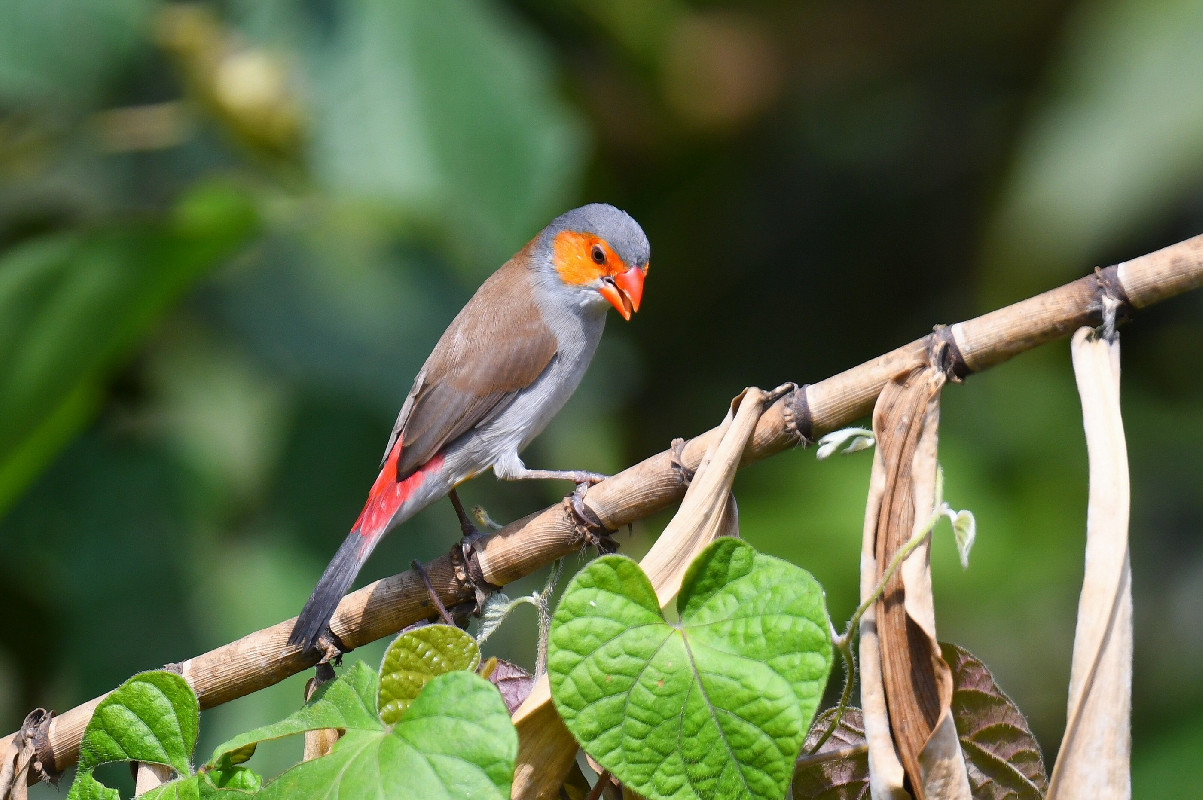
Orange-cheeked Waxbill
Orange-cheeked Waxbill
The Enchanting World of the Orange-Cheeked Waxbill: A Complete Guide to This Vibrant Avian Gem. Birding Safari Experience
Introduction
The Orange-cheeked Waxbill (Estrilda melpoda) is a small, vividly colored bird that captivates aviculturists, birdwatchers, and nature enthusiasts alike. Native to the grasslands and savannas of sub-Saharan Africa, this finch-like species is renowned for its striking appearance, gentle demeanor, and melodious calls. In this comprehensive guide, we delve deep into the life, habitat, behavior, and care of the Orange-cheeked Waxbill.
Origin and Distribution
The Orange-cheeked Waxbill is indigenous to the western and central regions of sub-Saharan Africa, including countries like Nigeria, Ghana, Cameroon, and the Democratic Republic of Congo. These birds thrive in open grasslands, shrublands, and cultivated farmlands, often near water sources.
Geographic Range
- West Africa: Senegal, Gambia, Ivory Coast
- Central Africa: Cameroon, Gabon, Congo
- Introduced Populations: Small feral populations have been observed in parts of the Caribbean and southern USA
This wide distribution contributes to their adaptability and resilience in various environmental conditions.
Physical Characteristics
The Orange-cheeked Waxbill is a small passerine bird, measuring approximately 9–10 cm in length and weighing around 8–10 grams.
Distinctive Features
- Cheeks: Bright orange patches on each side of the face
- Body Plumage: Olive-brown upperparts with fine barring and a greyish belly
- Beak: Short, thick, and deep red, typical of waxbills
- Tail: Short and black with a slightly forked appearance
- Eyes: Dark brown, giving a soft expression
These features make them a favorite among aviculturists and bird photographers.
Habitat and Natural Behavior
In the wild, Orange-cheeked Waxbills prefer open habitats with tall grasses, reeds, and scattered shrubs. They are often seen in small flocks, foraging on the ground or perching on grass stems.
Behavioral Traits
- Social Structure: Highly social, often forming flocks of 10–30 birds
- Vocalizations: Soft, high-pitched “tsee-tsee” calls used for communication
- Flight Pattern: Fast and undulating, with short bursts of wingbeats
Daily Activities
- Foraging for seeds and insects
- Dust bathing and sunning
- Nest building and mate bonding
Their behavior is a testament to their adaptability and intelligence.
Diet and Nutrition
In their natural environment, Orange-cheeked Waxbills primarily consume a seed-based diet, supplemented with small insects and plant matter.
Wild Diet
- Grass seeds (Panicum, Setaria)
- Small insects (aphids, termites)
- Green shoots and soft fruits
Captive Diet
To maintain optimal health in captivity, their diet should include:
- High-quality finch seed mix (millet, canary seed)
- Fresh greens: spinach, dandelion leaves, chickweed
- Live food: mealworms, fruit flies, pinhead crickets
- Calcium sources: cuttlebone, crushed eggshells
Proper nutrition enhances plumage vibrancy and reproductive success.
Breeding and Reproduction
Breeding Orange-cheeked Waxbills can be a rewarding experience for aviculturists, though it requires attention to detail and environmental control.
Breeding Season
In the wild, breeding often coincides with the rainy season, when food is abundant. In captivity, controlled lighting and temperature can simulate these conditions.
Courtship and Mating
- Males perform a “dance” while holding a grass stem
- Mutual preening and feeding strengthen pair bonds
- Duet calls are common during courtship
Nesting
- Dome-shaped nests made of grass and feathers
- Built in dense shrubs or nesting boxes
- Clutch size: 4–6 eggs
- Incubation: 12–14 days
- Fledging: 21–25 days post-hatching
Parental care is shared, with both parents feeding the chicks.
Captive Care and Aviculture
Orange-cheeked Waxbills are relatively easy to care for, making them ideal for both novice and experienced bird keepers.
Housing Requirements
- Aviary Size: Minimum 1.5 meters in length for flight
- Temperature: 18–26°C (64–79°F)
- Humidity: Moderate, mimicking tropical conditions
- Perches: Natural branches of varying thickness
- Substrate: Sand, paper, or natural soil
Enrichment
- Grasses for foraging and nest-building
- Mirrors and swings for stimulation
- Daily misting for bathing
Compatibility
- Can be housed with other peaceful finches
- Avoid aggressive species like Zebra Finches or larger parrots
Proper care ensures longevity and vibrant health.
Common Health Issues
While generally hardy, Orange-cheeked Waxbills can suffer from certain health problems if not properly cared for.
Common Ailments
- Mites and lice: Regular dusting and hygiene help prevent infestations
- Respiratory infections: Caused by drafts or poor ventilation
- Nutritional deficiencies: Resulting from an imbalanced diet
- Egg binding: In females lacking calcium
Preventative Measures
- Regular health checks
- Balanced diet with supplements
- Clean and well-ventilated housing
- Quarantine new birds before introducing them to the flock
Early detection and treatment are key to recovery.
Conservation Status
According to the IUCN Red List, the Orange-cheeked Waxbill is classified as a species of “Least Concern.” Their populations are stable, and they are not currently threatened by habitat loss or over-collection.
Conservation Highlights
- Wide distribution across Africa
- Adaptability to human-modified environments
- Successful captive breeding programs
However, continued monitoring is essential to ensure their long-term survival.
Interesting Facts
- The Orange-cheeked Waxbill is sometimes called the “Orange-cheeked Finch” in aviculture circles.
- Their scientific name, Estrilda melpoda, derives from Greek and Latin roots meaning “honey foot.”
- Despite their small size, they are known for their complex social behaviors and vocalizations.
- They often roost in communal groups, huddling together for warmth.
- In some cultures, they are considered symbols of joy and harmony.
FAQs
1. Are Orange-cheeked Waxbills good for beginners?
Yes, they are ideal for novice bird keepers due to their gentle nature, low maintenance needs, and adaptability. However, understanding their social and dietary needs is essential for their well-being.
2. Can Orange-cheeked Waxbills be kept with other birds?
They can be housed with other peaceful finches such as Cordon-bleus or Firefinches, but should not be mixed with aggressive or much larger species.
3. What is the lifespan of an Orange-cheeked Waxbill?
In captivity, with proper care, they can live between 5 to 8 years. In the wild, lifespan may be shorter due to predation and environmental factors.
4. How can I tell the difference between males and females?
Sexual dimorphism is subtle. Males tend to have brighter cheek patches and may sing more frequently. DNA testing is the most accurate method for sexing.
5. Do they need special lighting in captivity?
While not mandatory, full-spectrum lighting can enhance their health and breeding success by simulating natural sunlight.
Conclusion
The Orange-cheeked Waxbill is a remarkable bird that brings color, charm, and song into any environment it inhabits. Whether observed in the wild or cared for in captivity, its delicate beauty and engaging behavior make it a favorite among bird lovers worldwide. By understanding their needs and natural history, we can ensure these avian jewels continue to thrive for generations to come.