
Uganda Safety Info
Uganda Safety Info
Uganda Safety Info: Practical Advice for a Confident, Low-Risk Trip + Safari Planning
Uganda is often called the “Pearl of Africa” for good reason: lush landscapes, rare primates, iconic savannah wildlife, and a tourism ecosystem that when approached with the right preparation can be remarkably smooth and secure. Like any destination, safety in Uganda is not a single yes/no question; it’s a set of choices that shape your risk level: where you go, how you move, which operators you trust, and how well you align your itinerary with current conditions.
This guide delivers clear, traveler-first Uganda safety information, with a focus on the realities that matter: urban awareness, road travel, wildlife etiquette, health precautions, border-region considerations, and how to plan safaris in a way that minimizes friction. Along the way, you’ll find planning resources from Turkana Wildlife Safaris to support smarter trip design and operator-led logistics.
Why “Uganda Safety” Depends on Planning
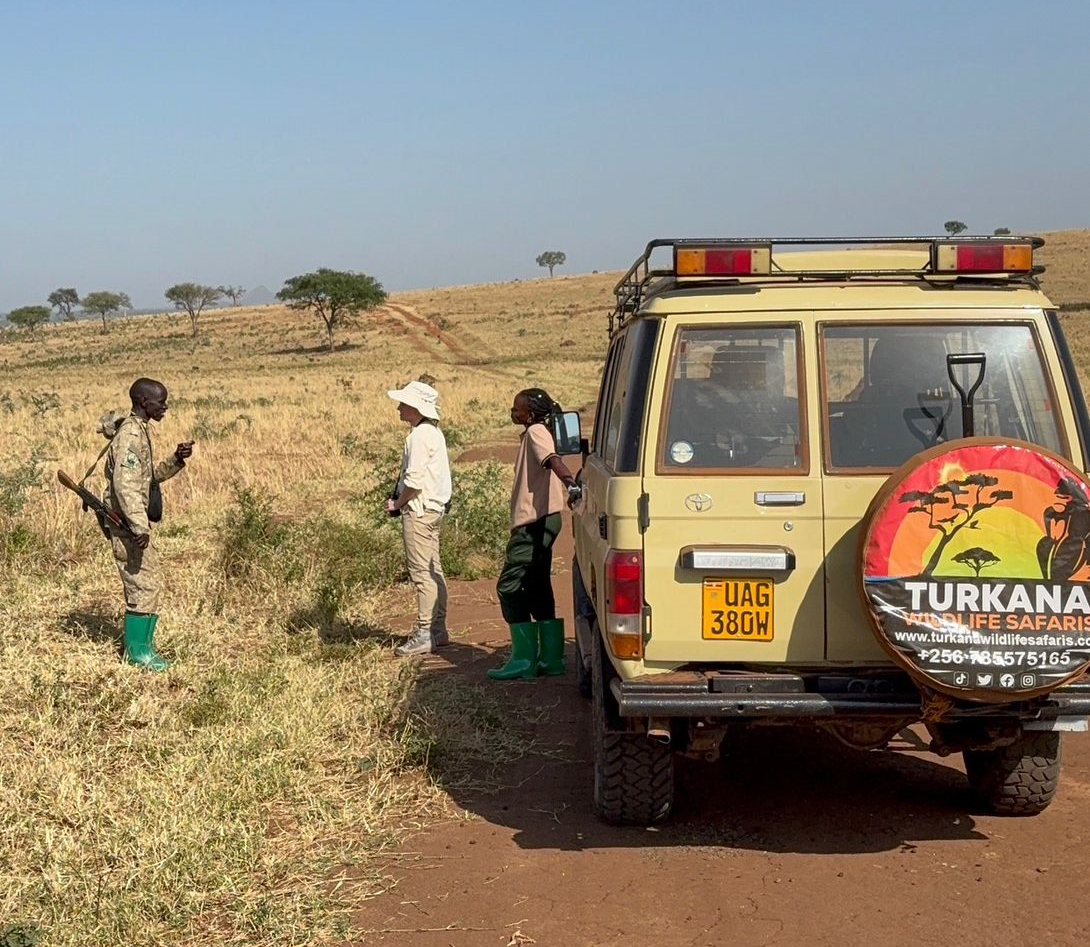
Uganda is a mainstream safari and primate trekking destination, with established parks, trained ranger networks, and structured tourism protocols. Most visitors have incident-free trips—especially those traveling with reputable guides and avoiding unnecessary night movement in unfamiliar areas.
The key is to treat safety as a system:
- Choose the right itinerary (especially near borders)
- Use trusted transport (experienced drivers; reliable vehicles)
- Follow park rules (wildlife can be unpredictable)
- Keep health prevention simple but consistent
- Maintain urban situational awareness (like any capital city)
For an operator-led approach to East Africa trip design, explore Turkana Wildlife Safaris as a starting point for safari planning, routing ideas, and logistics support.
Urban Safety in Kampala & Major Towns
Common risks (and how to reduce them)
Urban areas such as Kampala, Entebbe, Jinja, and Mbarara are generally manageable for travelers, but petty crime can happen especially where crowds and distraction are common.
Typical issues include:
- Pickpocketing in busy markets, taxi parks, and nightlife zones
- Bag snatching from moving motorcycles
- Opportunistic scams (overpricing; “helpful stranger” distractions)
Practical precautions that work:
- Keep phones secured when walking near traffic (snatch-and-go risk)
- Use ride-hailing or trusted drivers over random street hail at night
- Avoid flashing expensive jewelry/cameras in dense crowds
- Use a crossbody bag worn to the front in high-traffic areas
- Choose accommodations with security and good reviews
ATM and payments
- Prefer ATMs inside banks or malls
- Withdraw smaller amounts more frequently
- Use cards where possible; keep a backup card separate
Road Safety: The Biggest Variable for Most Travelers
For many visitors, road travel is a higher risk factor than crime. Distances can be long, road conditions vary, and driving styles differ from what some travelers expect.
Best practices for safer road travel
- Avoid long drives after dark whenever possible
- Use vehicles with seatbelts for all passengers
- Choose experienced driver-guides who know routes and park timings
- Build buffer time: rushing increases risk
If you’re building a safari that reduces road stress (better pacing, smarter routing), starting with a guided concept can help. Consider browsing Turkana Wildlife Safaris for itinerary inspiration and operator-led logistics planning.
National Parks & Wildlife Safety (Savannah + Forest)
Uganda’s protected areas are structured, ranger-supported environments. Yet wildlife is inherently unpredictable, and the safest travelers are the ones who follow rules precisely.
General safari safety rules
- Stay in the vehicle unless your guide confirms it’s safe
- Keep noise low around animals
- Never feed wildlife
- Maintain distance especially around elephants and buffalo
Gorilla & chimpanzee trekking: what safety looks like in practice
Primate trekking is highly regulated. Groups are limited; rangers lead; rules are strict for both safety and conservation.
Key trekking guidelines:
- Follow ranger instructions immediately
- Keep the minimum distance (often ~7 meters; rules can vary)
- Don’t trek if you’re sick (protects primates and reduces complications)
- Move slowly; avoid direct eye contact with gorillas at close range
- Carry water; wear proper boots and long sleeves
Tip: Treks can be physically demanding especially in Bwindi’s terrain. Good pacing reduces slips, strains, and fatigue-related mistakes.
Border Regions & “Where Not to Wander”
Uganda’s tourism highlights are widely visited, but some border-adjacent zones can change quickly based on regional dynamics. Your risk level increases if you:
- Travel independently to remote border corridors without guidance
- Ignore local advice about current conditions
- Attempt informal crossings or unofficial routes
Safer approach:
- Use updated, reputable sources (and local operator guidance)
- Stick to established tourism circuits
- Ask your lodge/guide about any route changes before departure
For travelers planning multi-country routing (Uganda + Kenya/Tanzania/Rwanda), a structured operator plan reduces uncertainty. You can begin by reviewing planning resources at Turkana Wildlife Safaris.
Health Safety: Simple Habits That Prevent Most Problems
Health issues are typically preventable with basic habits especially around mosquitoes, water, and sun.
Malaria prevention (high priority)
- Use repellent (DEET or equivalent)
- Wear long sleeves in evenings
- Sleep under treated nets when provided
- Consider prophylaxis per your clinician’s advice
Water and food safety
- Drink bottled/filtered water
- Avoid ice unless you trust the source
- Favor hot, well-cooked foods
- Wash hands frequently (carry sanitizer)
Vaccines & documentation
Requirements can change; many travelers need proof of Yellow Fever vaccination for entry or onward travel. Confirm with official guidance and your clinician well in advance.
Solo Travel Safety (Including Women Traveling Alone)
Uganda can work well for solo travelers particularly those who:
- Choose reputable accommodations
- Use guided transport between hubs
- Avoid risky night movements in unfamiliar places
Helpful tactics:
- Share your itinerary with someone at home
- Use a local SIM for reliable connectivity
- Keep a “daily check-in” routine
- Politely decline persistent attention and keep moving to populated areas
Safe Safari Planning: The Low-Risk Itinerary Principle
Safety improves when your itinerary is designed to reduce:
- Fatigue (fewer rushed, long-haul drives)
- Unnecessary urban exposure late at night
- Confusing logistics (cash stress, transport uncertainty)
- Border-adjacent detours without purpose
A “low-risk” Uganda circuit often looks like:
- Entebbe (arrival buffer)
- Kibale (chimps)
- Queen Elizabeth (game drives + boat)
- Bwindi (gorillas)
- Optional Lake Bunyonyi (rest)
- Return via Mbarara to Entebbe
To compare safari styles and planning approaches, you can explore Turkana Wildlife Safaris as a reference point for guided trip structure and logistics.
Packing for Safety: What Actually Helps
Essentials that reduce friction
- Small daypack with zipper
- Crossbody bag with hidden pocket
- Headlamp (power cuts happen)
- Power bank + universal adapter
- Photocopies of passport + insurance
- Offline maps + a local SIM/eSIM
Trekking-specific essentials
- Waterproof jacket
- Long socks + gaiters (mud and nettles)
- Gloves for steep/vegetated trails
- Rehydration salts
Common Scams and How to Avoid Them
You don’t need paranoia—just pattern recognition.
Watch for:
- Overly friendly “helpers” at taxi parks
- Sudden “official” fees with no receipt
- Currency confusion or rushed counting
Avoid by:
- Confirming prices before services
- Using official counters when available
- Keeping small notes for routine payments
Emergency Preparedness (Lightweight but Serious)
Before you go:
- Buy travel insurance that covers medical evacuation
- Save local emergency contacts and your embassy info
- Keep your lodge/guide number accessible offline
During the trip:
- If something feels off, leave the area fast, calm, and without argument
- Ask your accommodation for trusted transport options
FAQ: Uganda Safety Info
1) Is Uganda safe for tourists?
Uganda is generally safe for tourists who follow standard precautions, use reputable transport, and stick to established tourism areas. Most incidents involve petty theft or road-related risks rather than targeted violence.
2) What is the biggest safety risk for visitors?
For many travelers, road safety (night driving, long distances, variable road conditions) is a bigger risk than crime. Use experienced drivers and avoid late-night travel.
3) Is gorilla trekking safe?
Yes gorilla trekking is tightly regulated with ranger leadership and strict rules. Safety depends on following instructions, keeping distance, and trekking only when healthy.
4) Can I travel independently, or should I book a guided safari?
Independent travel is possible, but guided trips reduce logistical and safety uncertainty especially around transport, park timing, and route choices. If you want a structured planning baseline, review Turkana Wildlife Safaris.
5) What should I do if I feel unsafe in a city area?
Move to a well-lit, populated place (hotel, café, shop), avoid confrontation, and use trusted transport to leave. Contact your accommodation for local guidance.