Is Gorilla Trekking in Uganda Safe
Is Gorilla Trekking in Uganda Safe
Is Gorilla Trekking in Uganda Safe? Everything You Need to Know Before You Go
Gorilla trekking in Uganda is widely considered safe for most travelers—provided you follow Uganda Wildlife Authority (UWA) rules, trek with licensed guides, and prepare appropriately for the terrain. Uganda has hosted thousands of gorilla permits annually for many years, and the trekking model is designed around strict visitor management, trained ranger protection, and conservation-first protocols that reduce risks both to people and to gorillas.
If you’re planning a trip and want a safari operator to handle permits, logistics, and guiding, you can explore options through Turkana Wildlife Safaris.
Why Gorilla Trekking in Uganda Is Generally Safe
Uganda’s mountain gorilla trekking primarily in Bwindi Impenetrable National Park and Mgahinga Gorilla National Park runs on a tightly controlled system:
- Limited permits per day per gorilla family (reduces crowding and chaos)
- Mandatory briefing before every trek (clear rules and expectations)
- Armed ranger escort accompanying groups (security and wildlife safety)
- Experienced trackers who locate gorillas ahead of time (reduces random wandering)
- Strict distance and health rules (protects visitors and gorillas)
Most safety concerns are not about gorillas attacking—these animals are typically calm when treated respectfully—but rather about hiking conditions, altitude/fitness, and general travel common sense.
For guided planning and end-to-end support (permits + accommodation + transport), see:
The Real Risks (and How to Reduce Them)
1) Terrain and Trek Difficulty (Most Common Risk)
Bwindi in particular is steep, humid, muddy, and dense. The trek can last 1–6 hours each way, depending on where the gorilla family is that day.
How to stay safe:
- Bring sturdy, broken-in hiking boots with ankle support
- Use a walking stick (often provided at the park gate)
- Wear long trousers and long sleeves (nettles, insects, thorns)
- Consider hiring a porter (helps with balance and reduces fatigue)
If you want a well-paced trek with comfort-forward planning, ask an operator such as:
2) Close Wildlife Encounters
You may pass forest animals (e.g., monkeys, forest elephants in some areas). Rangers are trained to manage these situations.
How to stay safe:
- Stay close to your group
- Do not run if startled; follow ranger instructions
- Keep noise controlled
- Never feed wildlife
3) Gorilla Behavior (Rarely a Problem)
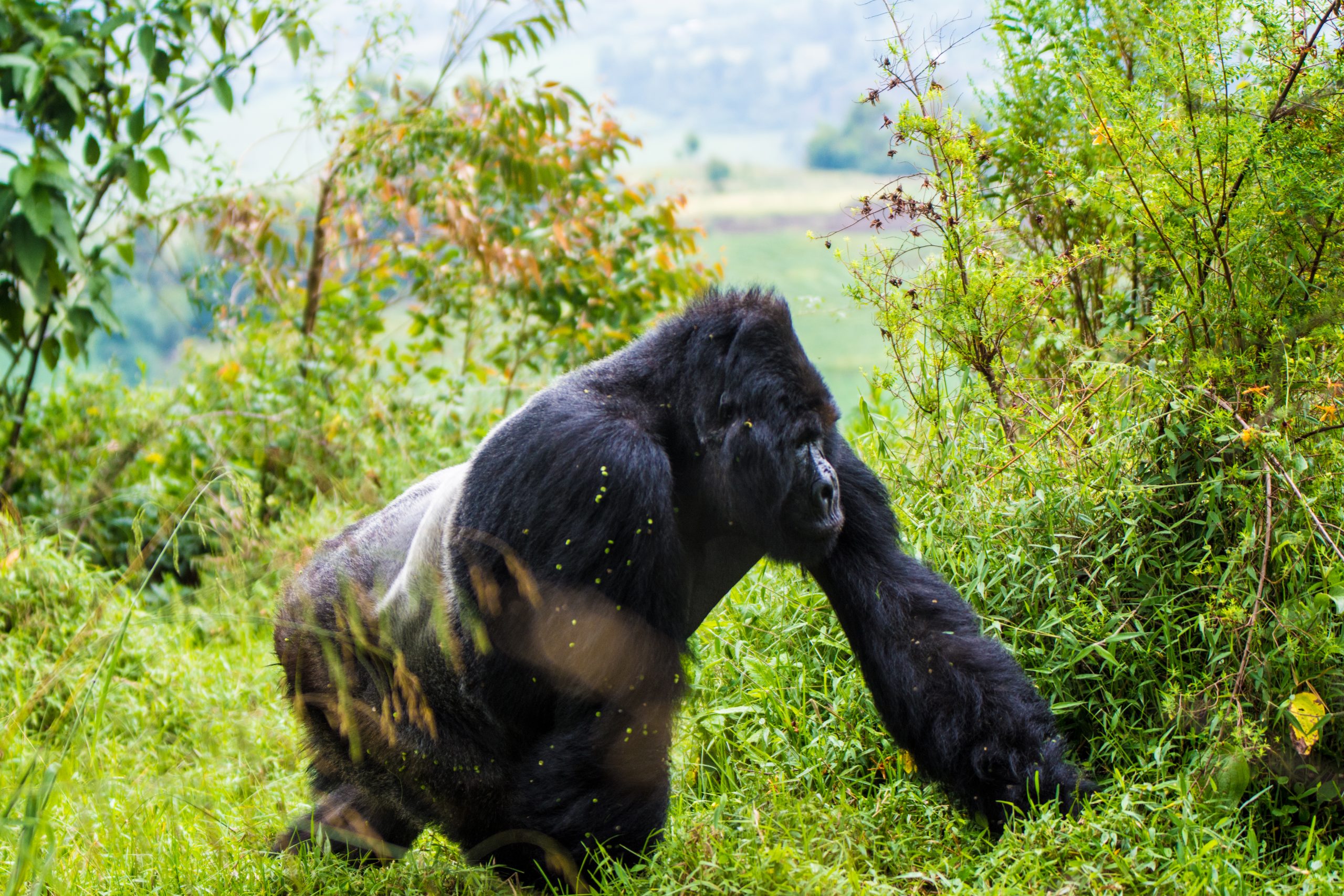
Mountain gorillas are habituated to humans and are not typically aggressive. However, they are still wild animals and can react to threats.
Key rules that keep everyone safe:
- Keep at least 7 meters distance (often more, depending on the situation)
- Don’t point, mimic sounds, or beat your chest
- Avoid direct prolonged eye contact with silverbacks
- Speak quietly and move slowly
- No flash photography
4) Health & Disease Transmission (Important)
Gorillas share a high percentage of human DNA and are vulnerable to human respiratory illnesses. This is why rules are strict.
What to do:
- Do not trek if you’re sick (especially with flu/cough)
- Wash/sanitize hands often
- Consider wearing a mask if advised by guides/park authorities
- Follow the one-hour viewing limit
5) Road Travel and Logistics
Uganda’s parks are remote. Road travel can be long, sometimes on rough roads.
How to reduce risk:
- Use a reputable operator with well-maintained vehicles
- Avoid night driving when possible
- Build in rest days to reduce fatigue
A safari company can arrange reliable transfers and timing; you can start with:
Security: Is Uganda Safe for Tourists Going Gorilla Trekking?
For most visitors traveling on standard tourist routes (Entebbe–Kampala–Bwindi/Mgahinga), the experience is generally safe, especially when:
- You book with licensed operators
- You stay in established lodges
- You follow guidance from UWA and your guides
Like any destination, normal precautions apply:
- Don’t display valuables openly
- Keep passport/extra cash secured
- Use official transport arranged by your lodge or operator
If you want a streamlined plan (permits + lodging + transport), explore:
How Rangers and Park Systems Keep Treks Safe
Uganda’s gorilla trekking operations have safety built into the structure:
- Pre-trek briefings: behavior rules, emergency procedures
- Group size controls: reduces stress and confusion
- Ranger escorts: add security and wildlife response capability
- Trackers: coordinate gorilla location before tourists enter
- Medical support: guides know evacuation procedures if needed
What You Should Pack for Safety (and Comfort)
A practical checklist:
- Hiking boots (good grip)
- Long socks and gaiters (mud and ants)
- Rain jacket/poncho (weather changes quickly)
- Gardening gloves (useful for grabbing vines/branches)
- Refillable water bottle + electrolytes
- Snacks (energy bars)
- Hat and sunscreen (for open sections)
- Insect repellent
- Small daypack with waterproof cover
- Camera with no flash + extra batteries
Optional but recommended:
- Trekking poles
- Lightweight first-aid essentials (blister plasters, pain relief)
Who Should Be Cautious? (Honest Suitability Notes)
Gorilla trekking is not extreme mountaineering, but it can be strenuous.
You should seek advice if you have:
- Serious heart or respiratory conditions
- Significant knee/ankle issues
- Recent surgery or limited mobility
- Very low fitness and no hiking experience
That said, many people over 50–70 successfully trek every year by:
- Choosing an appropriate gorilla family (sometimes easier hikes)
- Hiring a porter
- Going slowly and pacing well
Discuss options with your operator in advance (terrain, starting point, expected time).
Practical Safety Rules to Follow During the Trek
Keep these in mind:
- Stay behind your guide/ranger
- Keep your voice low
- Don’t litter (pack out everything)
- Don’t eat near gorillas
- If a gorilla approaches, don’t panic, stand still and follow ranger instructions
- Avoid strong perfume (can irritate wildlife)
- Respect the one-hour viewing time
Is It Safe to Trek Gorillas with Kids?
Uganda typically requires a minimum age (often 15 years for gorilla trekking). This rule exists for safety, maturity, and health reasons. For families with younger children, consider alternative wildlife and nature activities while adults trek.
Best Time to Go (Safety + Comfort)
Gorilla trekking happens year-round, but conditions vary.
Drier months (generally easier hiking):
- June to August
- December to February
Wetter months (muddy, more challenging, but often lush and sometimes quieter):
- March to May
- September to November
Even in dry months, rain can happen, Bwindi is a rainforest.
Choosing a Safe, Reliable Gorilla Trekking Operator
Prioritize operators that:
- Clearly explain permit costs and inclusions
- Use professional drivers and reliable vehicles
- Provide transparent itineraries and lodge standards
- Communicate gear recommendations and trek expectations
- Are responsive before you arrive
To start comparing options, you can review:
FAQ: Gorilla Trekking Safety in Uganda
1) Are mountain gorillas dangerous to humans?
When treated respectfully and approached under ranger guidance, gorillas are not typically dangerous. The system is designed to minimize stress and prevent risky behavior.
2) Can gorillas carry diseases that affect humans?
The larger concern is often the reverse, humans can transmit respiratory illnesses to gorillas. That’s why distancing and health rules are strict.
3) What if a gorilla charges?
Charges are rare and usually “bluff” behavior. The correct response is to stay calm, avoid sudden movement, and follow the ranger’s instructions.
4) Is the hike itself risky?
The most common issues are slips, falls, and fatigue on steep, muddy trails. Good boots, a walking stick, and a porter significantly reduce risk.
5) Is it safe to travel to Bwindi and Mgahinga by road?
Yes for most tourists especially when using a reputable operator, traveling in daylight, and following local guidance.