
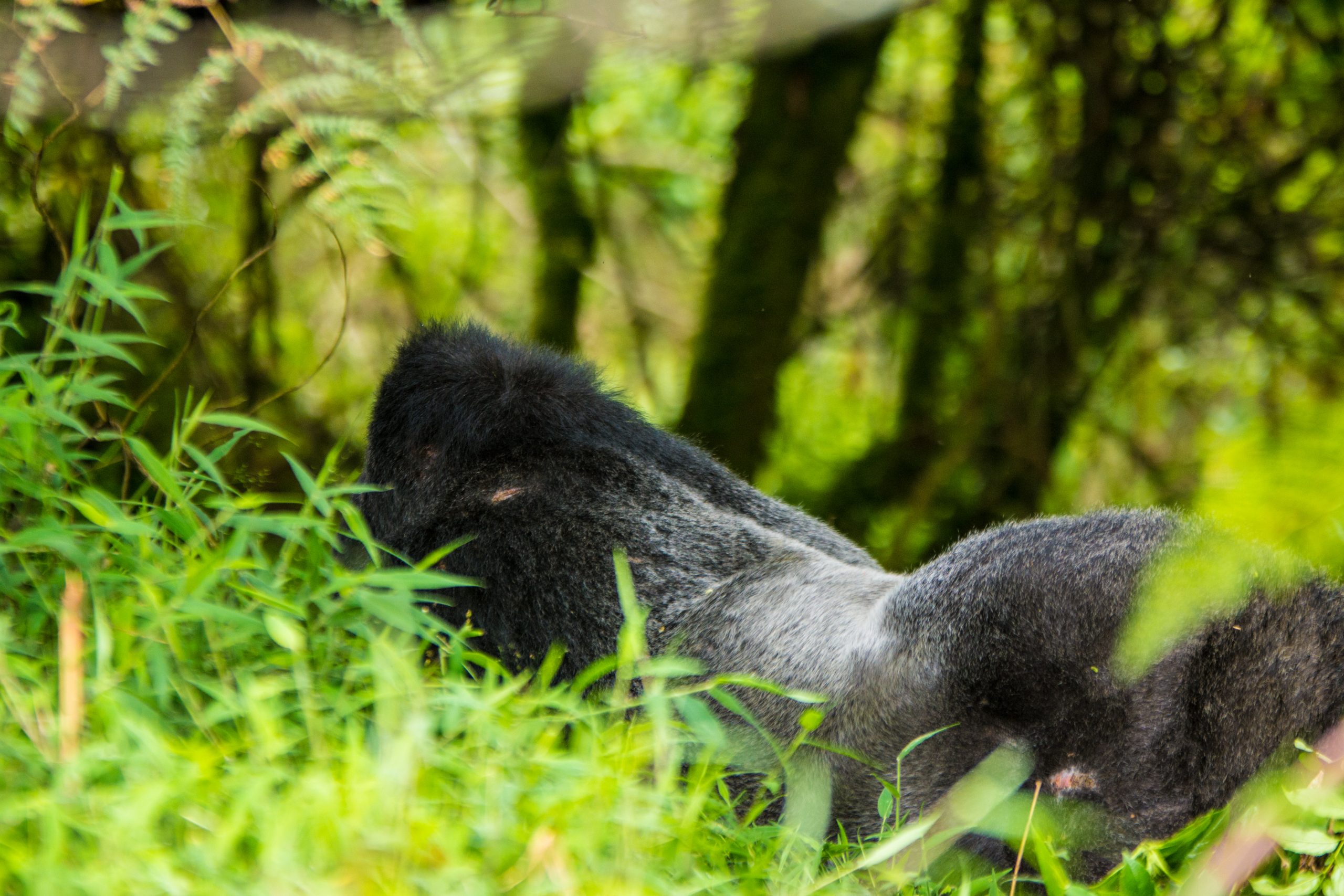
Is Flash Photography Allowed with Gorillas
Is Flash Photography Allowed with Gorillas
Is Flash Photography Allowed with Gorillas? Rules, Ethics, and Practical Tips (Plus Gorilla Trekking Guidance)
Flash photography is not allowed during gorilla trekking in the habituated gorilla sectors of East and Central Africa. Across the major gorilla destinations most notably Uganda and Rwanda park authorities and guiding standards consistently prohibit the use of flash when photographing gorillas. The rule is simple, widely enforced, and rooted in a mix of wildlife welfare, habituation management, and visitor safety.
This guide explains why flash is prohibited, what the rules look like in practice, how to set up your camera for low-light conditions without flash, and how to still come home with exceptional images and legally.
To help you plan a responsible trip and understand on-the-ground expectations, you’ll also find references to planning resources and safari guidance from Turkana Wildlife Safaris.
Why Flash Photography Is Not Allowed with Gorillas
Even when gorillas appear calm around humans (because they are habituated), they remain wild animals with complex social dynamics. Flash can disrupt behavior in ways that are hard to predict in the moment.
1) Flash can startle gorillas and alter natural behavior
A sudden burst of light is an unnatural stimulus. In a forest environment—often dim and enclosed—flash can be more intense than it would be in open daylight. This may lead to:
- A startle response (especially in juveniles)
- Increased vigilance or stress behaviors
- Sudden movement that can escalate tension in the group
2) It may interfere with habituation and conservation goals
Habituation is a carefully managed process that allows gorillas to tolerate human presence without excessive stress. Guides aim to keep encounters calm, brief, and predictable. Flash introduces an uncontrolled variable that can undermine that stability.
3) Close-range flash is particularly intrusive
Gorilla viewing rules generally require you to maintain distance (often around 7 meters, depending on park regulations and conditions), but the forest is tight, and gorillas move. A flash at close range is more likely to be disruptive.
4) Visitor safety and group management
Anything that causes gorillas to react unexpectedly can create safety issues for trekkers and staff. Gorilla trekking relies on discipline: quiet movement, controlled positioning, and guide-led behavior. Flash works against that.
What the Official Rule Typically Says (Uganda & Rwanda)
While exact wording varies, the core instruction is consistent: no flash photography.
Common gorilla trekking code-of-conduct rules include:
- No flash photography
- Keep voices low and movements slow
- Maintain the minimum viewing distance
- Do not eat near gorillas
- Do not trek if you’re sick (gorillas are vulnerable to human respiratory illnesses)
- Limit time with the gorilla group (commonly one hour for standard treks)
If you’re booking a trip, your operator should brief you in advance and your ranger guides will reiterate it during the pre-trek orientation.
For trip planning and safari briefings, you can explore operator guidance from Turkana Wildlife Safaris:
- Turkana Wildlife Safaris (safari planning resources and itinerary support)
Is It Ever Allowed? (Rare Exceptions and What They Mean)
In general tourist trekking contexts: no.
Potential exceptions are uncommon and typically limited to:
- Research contexts where protocols are strictly defined
- Certain controlled filming arrangements with special permission (still usually discouraging flash and using continuous light with strict oversight)
If you are part of a documentary or professional production, you must secure written clearance from the relevant wildlife authority and comply with ranger guidance.
How to Take Great Gorilla Photos Without Flash
Forest light can be challenging. The good news: modern cameras and phones can handle it well if you prepare.
Recommended camera settings (starting points)
These are practical baselines you can adapt:
- ISO: 1600–6400 (or higher if your camera handles noise well)
- Aperture: f/2.8–f/5.6 (wider apertures help)
- Shutter speed: 1/250–1/500 for moving gorillas; 1/125 if they’re calm and you’re steady
- Mode: Aperture Priority or Manual with Auto ISO
- Focus: Continuous AF (AI Servo / AF-C)
Lens choices that work well
- 70–200mm f/2.8: ideal balance of reach and low-light performance
- 24–70mm f/2.8: great for environmental compositions (when distance allows)
- Avoid ultra-long lenses if they’re heavy; trekking is physically demanding and the forest is tight.
Practical technique in the forest
- Use burst mode for subtle facial expressions
- Stabilize by bracing against your body (tripods are usually impractical)
- Expose for faces; dark fur can trick meters
- Shoot in RAW to recover shadows and manage mixed forest light
Phone photography tips (yes, it can work)
- Tap to focus on the eye/face
- Slightly lower exposure to protect highlights in bright leaves
- Use your phone’s night/low-light mode only if it doesn’t blur motion
- Don’t use any LED “torch” as a substitute treat it like flash
Ethical Gorilla Photography: Beyond the Flash Rule
Flash is only one part of responsible gorilla viewing. Ethical photography means prioritizing welfare over the shot.
Follow the guide’s positioning instructions
You might be asked to:
- Lower yourself
- Step back
- Stop moving entirely
- Avoid blocking a gorilla’s path
These are safety and welfare cues—comply immediately.
Never edge closer for a tighter frame
If a gorilla approaches you, do not panic and do not rush to “get the shot.” Let the ranger decide the safest response.
Keep your camera quiet and unobtrusive
- Turn off focus-assist beams
- Mute camera sounds if possible
- Avoid constant clicking when the situation is tense
Common Myths About Flash and Gorilla Encounters
Myth 1: “They’re used to tourists, so flash doesn’t matter.”
Habituation reduces fear of humans; it doesn’t mean gorillas won’t be startled by sudden light bursts.
Myth 2: “If I only use flash once, it’s fine.”
One flash at the wrong moment (e.g., during a display, feeding, or near an infant) can trigger stress or movement that affects the whole group.
Myth 3: “My phone flash is weak so it’s okay.”
In a dark forest at close range, even a small flash can be intense.
Practical Packing List for Low-Light Gorilla Photography
A small, smart kit beats an overloaded bag:
- Camera body with good high-ISO performance
- Fast lens (ideally f/2.8 or faster if available)
- Extra battery (cold, damp conditions drain power)
- Microfiber cloth (mist and foliage moisture are constant)
- Rain cover or dry bag
- Comfortable strap or harness
- Small silica gel packs for moisture control
For broader safari packing logic what to bring, what to avoid, and how to plan smoothly see:
Gorilla Trekking Etiquette That Improves Your Photos (and the Experience)
Counterintuitively, better etiquette often leads to better images.
- Move slowly → gorillas remain calm → more natural poses
- Stay quiet → less tension → more grooming and social behavior
- Keep distance → fewer ranger interventions → longer stable viewing moments
- Respect the moment → you notice composition, light, and storytelling details
FAQs: Flash Photography and Gorilla Trekking
1) Can I use flash if the gorillas are far away?
No. Flash is typically banned regardless of distance because gorillas can move quickly and forest distances are deceptive.
2) What happens if someone uses flash during a trek?
Guides usually issue an immediate warning and may ask the person to stop taking photos. In serious cases, authorities can end the encounter for the group. Enforcement varies, but the rule is taken seriously.
3) Is using a video light allowed instead of flash?
Generally no. Continuous lights can be just as disruptive, sometimes worse. Only use available light unless specifically authorized by the park authority and your ranger guide.
4) Why are gorillas so sensitive to human behavior?
They share close genetic similarity with humans and are highly social, intelligent, and context-aware. They also face health risks from human respiratory infections, making cautious protocols essential.
5) How can I book a gorilla-focused safari with proper briefing on rules?
Work with a reputable operator that emphasizes conservation ethics and pre-trek preparation. You can start exploring safari planning options and guidance here:
Bottom Line
Flash photography is not allowed with gorillas, and the prohibition is grounded in welfare, conservation, and safety. With the right camera setup and field technique, you can still capture exceptional, natural images without disturbing the gorillas or risking your trek.