
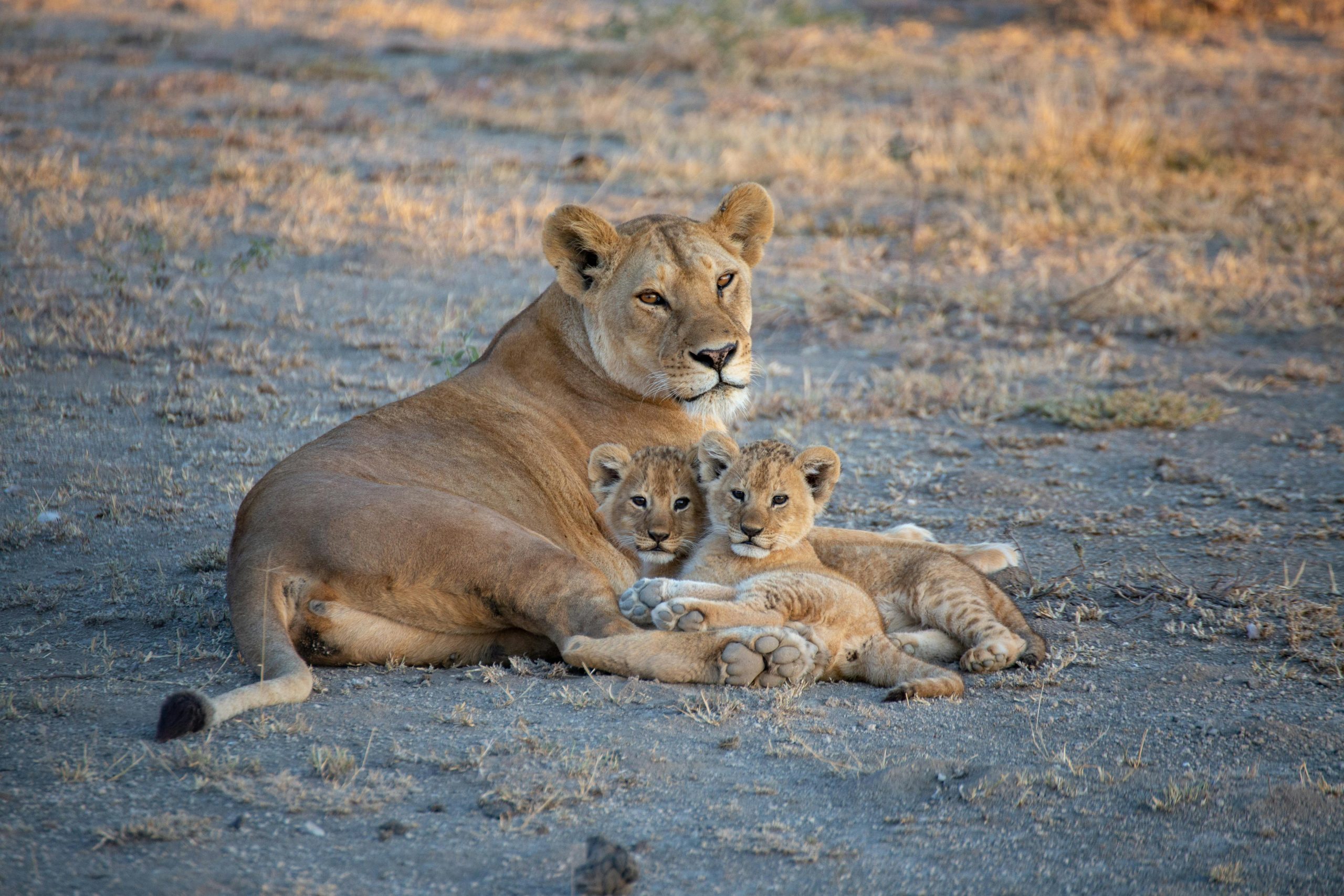
Family Safaris in Kenya
Family Safaris in Kenya
Family Safaris in Kenya: The Complete Guide to Kid-Friendly Adventures, Wildlife Encounters & Stress-Free Planning
Kenya is one of the best places on Earth to introduce children to the wonder of wildlife. A well-planned family safari in Kenya can be both thrilling and genuinely relaxing: shorter game drives, flexible pacing, engaging guides, and lodges that understand what parents need (and what kids enjoy). From elephant herds in Amboseli to the big cats of the Maasai Mara and the surprisingly family-friendly coastline, Kenya delivers variety without overwhelming logistics.
This guide breaks down where to go, when to travel, how to choose accommodations, what to pack, and how to keep every age group happy while still seeing extraordinary wildlife.
Why Kenya Works So Well for Family Safaris
A safari with children succeeds when the destination offers wildlife density, manageable travel times, solid medical infrastructure, and experienced operators. Kenya checks these boxes.
Key reasons families love Kenya:
- High wildlife visibility in major parks (less time “searching,” more time “seeing”)
- Strong safari tradition with guides accustomed to multi-generational groups
- Mix-and-match itineraries: savannah, lakes, conservancies, and beach in one trip
- Cultural experiences that kids remember (storytelling, crafts, village visits when done respectfully)
- Good family accommodation options, including cottages, connecting rooms, and private villas
Best Places in Kenya for a Family Safari
Kenya’s regions feel distinct. The “best” place depends on children’s ages, attention spans, and your appetite for driving time.
Maasai Mara (and Conservancies): Big Cats and Classic Safari
The Maasai Mara is Kenya’s most iconic safari area, and for good reason: big cats, dramatic river crossings in season, and open plains that make wildlife easier to spot.
Why it’s family-friendly:
- Excellent wildlife density (kids don’t get bored waiting)
- Many properties offer family tents, private vehicles, and shorter game drives
- Conservancies around the Mara can be quieter and more flexible than the main reserve
Typical family highlights:
- Lions and cheetahs on open grassland
- Hot-air balloon rides (often age-restricted; check minimum ages)
- Bush breakfasts and sundowners (family versions)
Amboseli: Elephants with a View
Amboseli is often a top pick for families because:
- It’s renowned for large elephant herds
- The landscape is open, making viewing easy for younger kids
- On clear days you get unforgettable views of Mount Kilimanjaro
Family tip: schedule drives early morning and late afternoon and relax mid-day at the lodge (pool time can be a lifesaver for kids).
Lake Nakuru: Rhinos and Short, Efficient Game Drives
If you want “big impact” in a shorter window, Lake Nakuru National Park is a smart stop.
- Strong chance to see rhinos
- Compact park means less time bouncing in the vehicle
- Good for adding to a longer circuit (e.g., Nakuru + Mara)
Samburu: Unique Northern Species and Fewer Crowds
For families who’ve “done the classics,” Samburu feels different:
- Chances to see Grevy’s zebra, reticulated giraffe, and other northern specials
- Stunning arid scenery and river-based wildlife viewing
- Often less crowded than the Mara
This is excellent for older kids/teens who enjoy “rare species” checklists and photography.
Laikipia: Private Conservancies and Activities Beyond Game Drives
Laikipia is an excellent family choice if you want variety:
- Horse riding (where permitted), walking safaris, tracking, and community projects
- Private conservancies can offer flexible schedules—ideal with nap times and young children
Kenyan Coast (Diani, Watamu, Malindi): The Perfect Safari-and-Beach Combo
Many families do:
- Safari first, then
- Beach recovery (swimming, snorkeling, boat trips)
The coast is also a great buffer against travel fatigue especially if you’re coming from a long-haul flight.
How Long Should a Family Safari in Kenya Be?
A common mistake is packing too much into a short trip. For families, pace matters as much as wildlife.
Practical duration guidance:
- 5–7 days: 1–2 safari areas (plus maybe one night in Nairobi)
- 8–10 days: 2–3 safari areas
- 10–14 days: safari circuit + beach, with downtime built in
A family-friendly rhythm often looks like:
- 2–3 nights per location (reduces constant packing and long transfers)
The Best Time to Go (With Kids)
Kenya is a year-round safari destination, but family comfort improves dramatically with the right season.
Dry seasons (generally best for families)
- June to October and January to February
- Benefits: easier wildlife viewing, fewer mosquitoes, less rain disruption
Green seasons (good value, lush scenery)
- March to May (long rains) and November (short rains)
- Benefits: fewer crowds, often lower lodge rates, beautiful landscapes
- Considerations: some roads can be challenging; flexibility helps
If your goal is the Great Migration in the Mara, the typical peak is July to October, but exact timing varies year to year.
Choosing the Right Safari Style for Families
Not every safari format fits family needs. Here are the main options:
Private safari (best for most families)
Pros:
- Control over game drive length
- Bathroom breaks when needed
- Customize for naps, snacks, and kid interests
Cons:
- Higher cost than joining a group
Small group safari
Pros:
- More budget-friendly
- Social experience (sometimes kids make friends quickly)
Cons:
- Less flexible timing and pacing
- Vehicle dynamics may not suit younger kids
Fly-in safari (best for minimizing long drives)
Pros:
- Less time on bumpy roads
- Faster access to remote, high-quality areas
Cons:
- More expensive
- Small aircraft luggage limits
Family-Friendly Lodges and Camps: What to Look For
When kids are involved, accommodation quality affects everything.
Look for:
- Family rooms / suites or interconnecting tents
- Swimming pool (a huge morale booster)
- Kid-friendly menus and flexible meal times
- Short drive distance to wildlife areas (reduces cranky commutes)
- Shaded areas and mid-day cooling (important in hotter parks)
- Guides who enjoy children (not just “tolerate” them)
- Safety features: fenced areas where appropriate, clear rules around wildlife
Ask in advance about:
- Minimum age for walking safaris
- Minimum age for balloon rides
- Child policy (some camps restrict under-12s)
What Kids Typically Love Most on Safari (By Age)
Toddlers (2–4)
- Animals close to camp (monkeys, birds under supervision)
- Pools, nature walks around lodge grounds
- Short “spotting games” (count zebras, find the tallest giraffe)
Younger children (5–8)
- Elephants and giraffes
- Junior ranger programs
- Simple tracking (footprints, dung ID—kids find this hilarious)
Older kids (9–12)
- Predator action (lions, cheetahs)
- Photography challenges
- Cultural experiences (hands-on crafts, storytelling)
Teens (13+)
- Conservation-focused visits
- Night drives (where permitted)
- More intense photography and “big sighting” goals
Essential Packing List for a Kenya Family Safari
Here’s a practical family packing checklist.
Clothing
- Neutral colors (khaki, olive, beige)
- Light layers for mornings/evenings
- Sun hat + sunglasses
- Comfortable closed shoes (plus sandals for camp)
Health & comfort
- High-SPF sunscreen
- Insect repellent (ask your pediatrician what’s appropriate)
- Motion sickness support (long drives can be rough)
- Small first-aid kit (bandages, antiseptic wipes, thermometer)
Kid-specific essentials
- Binoculars (even a basic compact pair makes a huge difference)
- A small wildlife guidebook or animal checklist
- Snacks for drives (non-melty, non-crumbly)
- Refillable water bottles
Tech & gear
- Camera with spare batteries (charging can be limited in some camps)
- Power bank
- Headlamp/flashlight for moving around camp after dark
Safari Safety and Health Considerations for Families
A family safari is safe when planned well, but it’s not the place for improvisation.
Key considerations:
- Malaria risk varies by area and season consult a travel clinic
- Keep kids hydrated (dehydration happens fast in dry regions)
- Follow lodge rules: no wandering at night, no running near wildlife areas
- Always listen to your guide kids should understand this early
Important: discuss any allergies, asthma, or dietary requirements with your operator before arrival.
Sample Family Safari Itineraries (Realistic and Kid-Friendly)
Option A: 7 Days (First Safari, Maximum Impact)
- Nairobi (1 night)
- Amboseli (2 nights)
- Maasai Mara (3 nights)
- Nairobi departure (1 night or direct transfer)
Option B: 10 Days (Classic + Rhinos)
- Nairobi (1 night)
- Lake Nakuru (2 nights)
- Maasai Mara (3 nights)
- Amboseli (2 nights)
- Nairobi (1–2 nights depending on flights)
Option C: 12–14 Days (Safari + Beach Recovery)
- Nairobi (1 night)
- Maasai Mara (3 nights)
- Samburu or Laikipia (3 nights)
- Coast (Diani/Watamu) (4–6 nights)
Budgeting: What a Family Safari in Kenya Typically Costs
Costs vary widely based on season, lodging level, and whether you choose private or group travel.
Major cost drivers:
- Park fees and conservancy fees
- Private vehicle and guide
- Accommodation type (mid-range vs luxury)
- Flights (international + domestic)
- Time of year (peak season premiums)
Money-saving strategies that don’t ruin the trip:
- Travel in shoulder season (still good weather, fewer crowds)
- Choose two locations rather than trying to cover four
- Mix lodge levels (a couple of “wow” nights + a comfortable mid-range base)
Responsible and Ethical Family Safari Travel
Safari is a powerful way to teach kids about nature done responsibly.
Choose experiences that:
- Respect wildlife distance and behavior (no chasing animals)
- Support local communities fairly
- Avoid exploitative animal interactions (no cub petting, etc.)
Ask your operator how they approach:
- Conservation contributions
- Community partnerships
- Guide training and safety standards
FAQ: Family Safaris in Kenya
1) What is the best age for children to go on safari in Kenya?
Many families find 6–12 ideal: kids are curious, can handle longer drives, and remember the trip well. That said, toddlers can still enjoy safari with shorter drives and a lodge-centered schedule.
2) Do Kenya safari lodges allow young children?
Yes, many do, but policies vary. Some camps restrict children under 6 or 12, especially in unfenced camps. Always confirm age rules before booking.
3) Is the Maasai Mara too intense for kids?
Not usually, its high wildlife density can actually be easier for children because sightings happen more often. The key is using a private vehicle so you can stop for breaks.
4) Should we do a fly-in safari with kids?
If your budget allows, fly-in safaris can be excellent for families because they reduce bumpy road time. Just be mindful of baggage limits and whether your children are comfortable with small aircraft.
5) Can we combine safari with the beach in the same trip?
Yes, and it’s one of the best family combinations. After early mornings and game drives, a few days on the coast helps everyone reset.