
Safari Prep Guide
Safari Prep Guide
Safari Prep Guide Uganda: The Practical Checklist for a Smooth, Safe, Wildlife-Rich Trip
Uganda is a standout safari destination: primate trekking in misty forests, classic game drives across savannah, boat safaris on the Nile, and a cultural tapestry that makes travel feel personal rather than packaged. Good preparation is what turns a “big trip” into a relaxed, memorable one especially when activities like gorilla or chimp trekking, domestic transfers, and permit timing are involved.
If you’re booking a tailored itinerary, start with a reputable operator familiar with Uganda’s logistics and permit planning see Turkana Wildlife Safaris for safari planning options and regional expertise.
1) Choose the Right Season (and Know What “Best” Means)
Uganda can be visited year-round, but conditions vary by region and activity.
Dry seasons (generally better trekking + roads)
- June–August
- December–February
Pros
- Drier trails for primate trekking
- Easier road travel in parks
- Often clearer views and better photography light
Trade-offs
- Higher demand: permits and lodges book earlier
Wet seasons (lush landscapes + fewer crowds)
- March–May
- September–November
Pros
- Greener scenery, dramatic skies
- Potentially lower rates and fewer tourists
Trade-offs
- Muddy trails; 4×4 more important
- Rain can disrupt schedules
Tip: If gorilla trekking is your priority, dry season is usually more comfortable, but gorillas are trekked year-round.
2) Lock in Key Permits Early (This Is Non-Negotiable)
Some experiences have limited daily availability. The sooner you confirm your dates, the smoother everything else becomes.
Gorilla trekking permits
- Limited per day and sell out in peak months.
- Plan months in advance if traveling in high season.
Chimpanzee trekking permits
- Also limited, especially in popular areas like Kibale.
If you’re working with an operator, ask them to:
- Reserve permits immediately upon deposit
- Provide clear permit terms (refundability, date changes)
You can start by contacting an operator for guidance and availability use Turkana Wildlife Safaris as a starting point if you want itinerary support (send them your dates, group size, comfort level, and top priorities).
3) Decide Which Parks Match Your Interests
Uganda rewards focused itineraries. Too many parks can mean too much driving.
Top picks by experience
Primates
- Bwindi Impenetrable National Park – gorillas
- Kibale Forest National Park – chimp trekking
Classic wildlife + landscapes
- Murchison Falls National Park – game drives + boat safari + falls
- Queen Elizabeth National Park – big scenery + Kazinga Channel boat cruise
- Kidepo Valley National Park – remote, wild, and stunning (if you have time)
Birding
Uganda is a birding heavyweight pack binoculars and plan for early starts.
4) Pack Smart: What You Actually Need
Uganda safari packing is about function, not fashion.
Clothing essentials
- Neutral-colored shirts (avoid very bright colors)
- Lightweight long sleeves and long pants (sun + insects + bush)
- A warm layer (mornings can be cool, especially near forests/highlands)
- Rain jacket/poncho (even in dry season, showers happen)
- Wide-brim hat + sunglasses
Footwear
- Waterproof hiking boots for gorilla/chimp trekking
- Comfortable sandals/shoes for lodge downtime
Trekking must-haves (gorillas/chimps)
- Daypack
- Refillable water bottle / hydration system
- Gardening gloves (great for gripping vegetation)
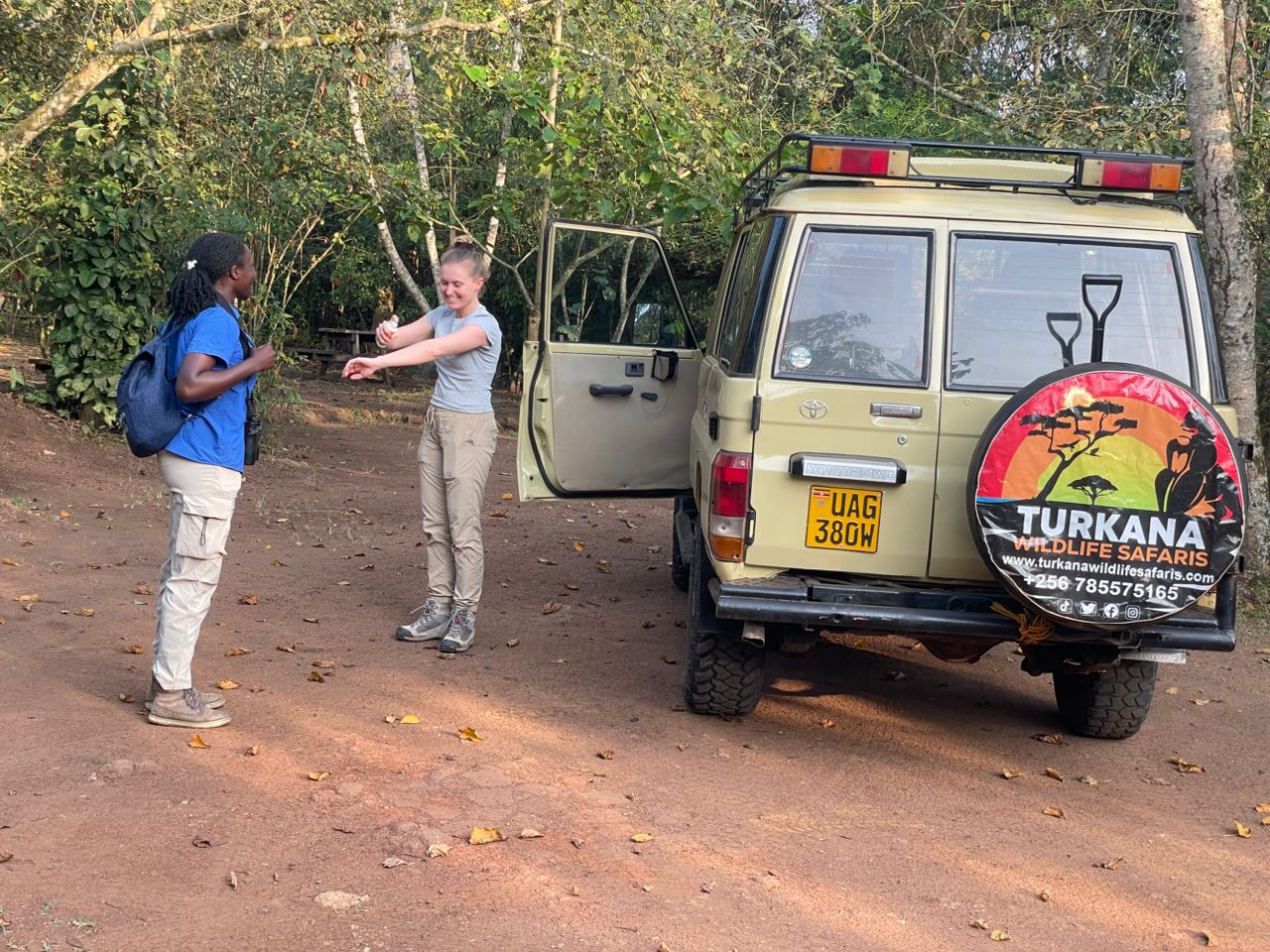
- Insect repellent (DEET-based recommended)
- Sunscreen
- Snacks (trek durations vary)
- Dry bags or zip bags for electronics
Photography & tech
- Camera with a mid-telephoto lens for wildlife
- Extra batteries + memory cards
- Power bank
- Headlamp (useful in lodges/camps)
5) Health Prep: Vaccines, Malaria, and Yellow Fever
Important: Requirements can change. Check official guidance and your airline’s transit rules.
Typical health planning steps
- Consult a travel clinic 4–8 weeks before departure
- Discuss:
- Yellow fever (often required for entry or onward travel)
- Malaria prophylaxis
- Routine vaccines (tetanus, hepatitis A, etc.)
Practical on-trip prevention
- Use repellent daily
- Sleep under nets where provided
- Wear long sleeves at dusk
- Stay hydrated (safaris can be deceptively draining)
6) Money & Payments: Plan for Mixed Reality
Uganda is easy to travel in, but payment methods vary.
Good practices
- Carry some cash in smaller denominations for tips and small purchases
- USD is widely accepted for tourism-related payments (ensure clean, newer notes)
- Cards may work in some hotels/lodges, but outages happen don’t rely solely on card
7) Safari Etiquette & Safety
On game drives
- Stay quiet when viewing animals
- Don’t stand up in open areas unless your guide allows
- Keep arms inside the vehicle
- Never feed wildlife
During primate trekking
- Follow ranger instructions strictly
- Keep a respectful distance
- Don’t trek if you’re sick (protects animals too)
- Expect steep, slippery terrain pace yourself
8) Travel Logistics: How to Avoid the “Too Much Driving” Trap
Uganda’s distances can look small on a map but feel long on the road.
Helpful planning tips
- Keep transfers realistic (ask your operator for estimated drive times in season)
- Consider domestic flights for far parks (e.g., Kidepo) if time is tight
- Build in buffer time before international flights (roads + weather can delay)
9) What to Expect Day-to-Day on a Uganda Safari
A typical full safari day often looks like:
- Early morning game drive (best wildlife activity)
- Breakfast/brunch at the lodge
- Midday rest (heat + downtime)
- Afternoon activity (boat safari, community visit, second game drive)
- Dinner + early night (because mornings start early)
10) Booking Advice: Questions to Ask Any Safari Company
Whether you book direct or via an operator, ask these:
- Are permits included? Which ones?
- What’s the vehicle type (4×4, pop-up roof)?
- Is the guide English-speaking? Any specialization (birding, photography)?
- What’s included/excluded (meals, park fees, water, tips)?
- What’s the cancellation/reschedule policy (especially for permits)?
FAQ (5)
1) How far in advance should I book gorilla trekking in Uganda?
Ideally 3–6 months in advance for peak season; longer is safer if you have fixed dates.
2) Do I need special fitness for gorilla trekking?
You don’t need to be an athlete, but you should be comfortable with hiking on uneven, muddy slopes for a few hours. Porters can help.
3) What’s better: Uganda or Rwanda for gorilla trekking?
Uganda often offers more budget flexibility and broader safari combinations; Rwanda can be more premium and shorter-drive friendly depending on your route.
4) What should I wear for chimpanzee trekking?
Long sleeves/pants, hiking boots, and a rain layer. Forest treks can be humid and muddy.
5) Can I combine gorillas with a classic savannah safari in Uganda?
Yes, many itineraries pair Bwindi with Queen Elizabeth or Murchison Falls for a balanced trip.