
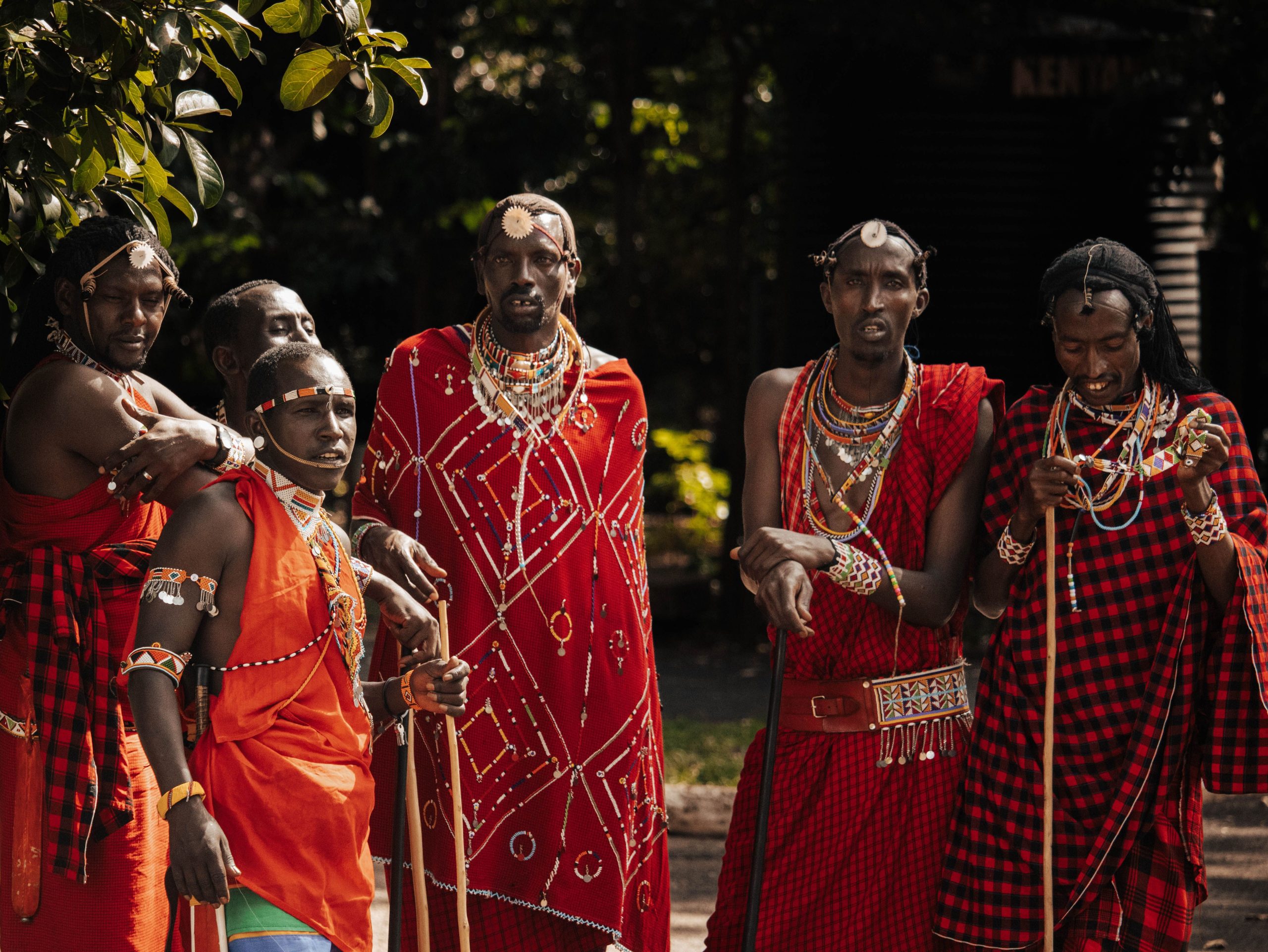
Visiting A Maasai Village
Visiting A Maasai Village
Visiting a Maasai Village: A Cultural Experience on a Kenya Safari
Introduction
A safari in Kenya is about more than spectacular wildlife, beautiful landscapes, and exciting game drives. It is also an opportunity to discover the people, traditions, and communities that have shaped the region for generations. One of the most memorable cultural experiences for many travelers is visiting a Maasai village.
The Maasai are one of East Africa’s best-known pastoral communities, with a rich cultural heritage closely connected to cattle, traditional ceremonies, family life, and the natural environment. A visit to a Maasai community near Kenya’s famous safari destinations can provide travelers with a deeper understanding of local culture while adding a meaningful human dimension to their wildlife adventure.
With Turkana Wildlife Safaris Uganda, travelers can combine their Kenya safari with carefully planned cultural experiences and, where appropriate, extend their journey into Uganda for an unforgettable East African adventure.
What Is a Visit to a Maasai Village Like?
A Maasai village, commonly known as a manyatta, consists of traditional homes and communal spaces where visitors can learn about aspects of Maasai life.
During a cultural visit, guests may be welcomed by community members and introduced to traditional customs, dances, songs, crafts, and everyday activities. Depending on the community and arrangements made for the visit, travelers may also have an opportunity to learn about livestock keeping, traditional homes, beadwork, food preparation, and the role of different generations within the community.
The experience varies from village to village, making it important to visit communities through responsible tourism arrangements that respect local customs and provide appropriate benefits to residents.
Why Visit a Maasai Village?
1. Learn About Maasai Culture
A village visit offers an opportunity to go beyond the typical tourist experience. Travelers can hear directly from community members about their traditions, social structures, livelihoods, and relationship with the land.
Instead of simply seeing Maasai people while traveling through the countryside, visitors can gain a better understanding of the cultural traditions that continue to influence everyday life.
2. Experience Traditional Music and Dance
Traditional Maasai singing and dancing can be one of the most memorable parts of a cultural visit.
Visitors may be welcomed with performances featuring rhythmic singing, movement, and traditional attire. The famous Maasai jumping dance is particularly recognizable, although travelers should remember that cultural performances are meaningful traditions rather than simply entertainment.
3. Discover Traditional Maasai Homes
Manyatta homes are traditionally constructed using locally available materials. Visitors may be shown how these homes are built and learn about their design, purpose, and importance to family life.
This provides an interesting contrast to modern accommodation and offers insight into how communities have adapted to their environment.
4. Support Local Communities
When cultural visits are properly organized, tourism can create direct economic opportunities for local communities.
Visitors may purchase locally made crafts, beadwork, or souvenirs and pay community fees that contribute toward local livelihoods and development initiatives.
Choosing a responsible safari operator helps ensure that cultural tourism is conducted respectfully and that communities benefit from visitor activities.
5. Meet Maasai Artisans
Maasai beadwork is famous throughout East Africa. During a village visit, travelers may have the chance to see locally produced jewelry and decorative crafts.
Buying directly from artisans can provide an additional source of income while allowing visitors to take home a meaningful reminder of their safari.
Where Can You Visit a Maasai Village?
Maasai communities are found across parts of Kenya and northern Tanzania. On a Kenya safari, cultural visits are particularly associated with areas around the Maasai Mara, Amboseli, and other regions where Maasai communities live alongside wildlife conservation areas.
The exact village or community visited depends on the safari itinerary, location, season, and arrangements with local community representatives.
For travelers combining Kenya and Uganda, a Maasai cultural experience can become part of a wider East African itinerary that includes wildlife viewing, nature, cultural encounters, and Uganda’s famous primate experiences.
Visiting a Maasai Village During a Maasai Mara Safari
The Maasai Mara is one of Kenya’s most famous wildlife destinations, known for its lions, elephants, leopards, cheetahs, buffaloes, and the annual wildebeest migration.
Adding a Maasai village visit to a Maasai Mara safari creates a valuable contrast. After spending time observing wildlife in the savannah, travelers can meet local people and learn about communities that have lived in and around these landscapes for generations.
A typical day might combine a morning game drive with an afternoon cultural experience, depending on the itinerary and the location of the community.
What Can You Learn During a Maasai Village Visit?
A cultural visit may introduce travelers to several aspects of Maasai life, including:
- Traditional homes and village organization
- Cattle keeping and pastoral traditions
- Traditional clothing and ornaments
- Maasai beadwork
- Music and dancing
- Food and traditional cooking
- Family and community structures
- Traditional ceremonies
- Relationships between communities and wildlife
- The changing role of education and modern livelihoods
Not every community offers exactly the same activities, so travelers should confirm what is included in their cultural visit before traveling.
Responsible Cultural Tourism
Visiting a Maasai village should be approached with respect. Travelers are entering a living community, not a museum.
Responsible visitors should:
- Ask permission before taking photographs of people.
- Respect local customs and traditions.
- Dress appropriately for the cultural setting.
- Listen to community guides and follow their instructions.
- Avoid making insensitive comments about traditional practices.
- Purchase crafts directly from local artisans when possible.
- Choose tour operators that work respectfully with communities.
- Avoid treating people or ceremonies as photographic props.
- Follow agreed rules regarding photography, video, and participation.
A good cultural experience should benefit both visitors and the host community.
What Should You Wear?
Comfortable and respectful clothing is recommended.
Lightweight clothing is suitable for Kenya’s warm climate, while comfortable walking shoes are useful if the visit includes walking around the village. Modest clothing is generally appreciated during cultural visits.
A hat, sunglasses, sunscreen, and drinking water are also useful, particularly during daytime activities.
Can Children Visit a Maasai Village?
Yes. A Maasai village visit can be an educational experience for families traveling with children.
Children can learn about different lifestyles, traditional crafts, livestock keeping, music, and the importance of community. Parents should explain beforehand that they are visiting a real community and should encourage children to behave respectfully.
Combining a Maasai Village Visit With a Uganda Safari
For travelers interested in exploring more of East Africa, a Kenya safari can be combined with a Uganda safari.
After experiencing the Maasai Mara and visiting a Maasai community, travelers can continue to Uganda for attractions such as Bwindi Impenetrable National Park, Queen Elizabeth National Park, Murchison Falls National Park, or Kibale National Park, depending on their interests and available time.
Uganda provides a different safari experience, particularly through its forests, primates, mountain gorillas, chimpanzees, and diverse landscapes.
Turkana Wildlife Safaris Uganda can help travelers design East African safari experiences that combine wildlife, nature, and cultural encounters according to their interests, travel dates, and budget.
Why Choose Turkana Wildlife Safaris Uganda?
When planning a Kenya and Uganda safari, working with an experienced regional safari operator can make the journey easier to organize.
Turkana Wildlife Safaris Uganda can assist travelers with safari planning, transportation arrangements, accommodation, wildlife experiences, and cultural activities. A customized itinerary can combine Kenya’s iconic savannah landscapes with Uganda’s forests, wildlife destinations, and cultural attractions.
Whether you are planning a short Kenya safari or a longer Kenya-Uganda adventure, adding a Maasai village visit can make the journey more culturally enriching.
Best Time to Visit a Maasai Village
Maasai village visits can generally be arranged throughout the year, but the best time for a combined Kenya safari depends on the destinations and activities included in the itinerary.
The dry seasons are popular for wildlife viewing because animals are often easier to spot around water sources and roads are generally more accessible. The period around the Great Migration can also be particularly appealing for travelers visiting the Maasai Mara.
However, cultural experiences are not limited to migration season. A Maasai village visit can be included in a safari itinerary at different times of the year.
What Makes a Maasai Village Visit Special?
The biggest attraction is the opportunity to connect wildlife tourism with human culture.
A game drive allows you to observe Kenya’s wildlife in its natural environment. A village visit allows you to meet people whose lives and traditions are connected to the same landscapes.
Together, these experiences create a more complete understanding of East Africa.
Frequently Asked Questions About Visiting a Maasai Village
1. Is visiting a Maasai village safe?
Yes. Organized cultural visits are generally safe when conducted through reputable tour operators and in cooperation with the local community.
2. Do I need to pay to visit a Maasai village?
Most organized visits involve a community or cultural visit fee. Your safari operator should explain what is included in the price before the visit.
3. Can I take photographs?
Photography policies vary between communities. Always ask permission before photographing people, ceremonies, homes, or cultural activities.
4. Can I buy Maasai souvenirs?
Yes. Many communities sell locally produced beadwork, jewelry, carvings, textiles, and other crafts. Purchasing directly from artisans can support local livelihoods.
5. How long does a Maasai village visit take?
The duration varies depending on the itinerary and activities. Some visits take a couple of hours, while others can be incorporated into a longer cultural experience.
6. Can I visit a Maasai village during a Maasai Mara safari?
Yes. A cultural village visit can often be incorporated into a Maasai Mara safari itinerary, depending on the location and arrangements.
7. What should I bring?
Useful items include sunscreen, drinking water, a hat, comfortable shoes, a camera, and modest, comfortable clothing.
8. Can I combine Kenya and Uganda in one safari?
Yes. Kenya and Uganda can be combined into a single East African itinerary. Travelers can experience Kenya’s savannah wildlife and then continue to Uganda for gorilla trekking, chimpanzee experiences, wildlife safaris, and other attractions.
9. Is a Maasai village visit suitable for families?
Yes. It can be a particularly interesting educational experience for families and children, provided everyone follows local cultural guidelines.
10. How can I arrange a Maasai village visit with Turkana Wildlife Safaris Uganda?
You can contact Turkana Wildlife Safaris Uganda with your preferred travel dates, number of travelers, safari interests, and approximate budget. The itinerary can then be designed to include a Maasai cultural experience alongside wildlife activities.
Conclusion
Visiting a Maasai village is more than an addition to a Kenya safari, it is an opportunity to connect with the people and traditions of East Africa. From traditional homes and beadwork to music, dancing, livestock keeping, and community life, the experience provides valuable cultural insight alongside spectacular wildlife adventures.
For travelers exploring the Maasai Mara, adding a Maasai village visit can create a richer and more memorable journey. And for those who want to explore beyond Kenya, combining the experience with a Uganda safari offers the chance to discover two remarkable East African destinations in one adventure.
With Turkana Wildlife Safaris Uganda, travelers can plan a personalized Kenya-Uganda safari that brings together wildlife, culture, nature, and unforgettable experiences across East Africa.