
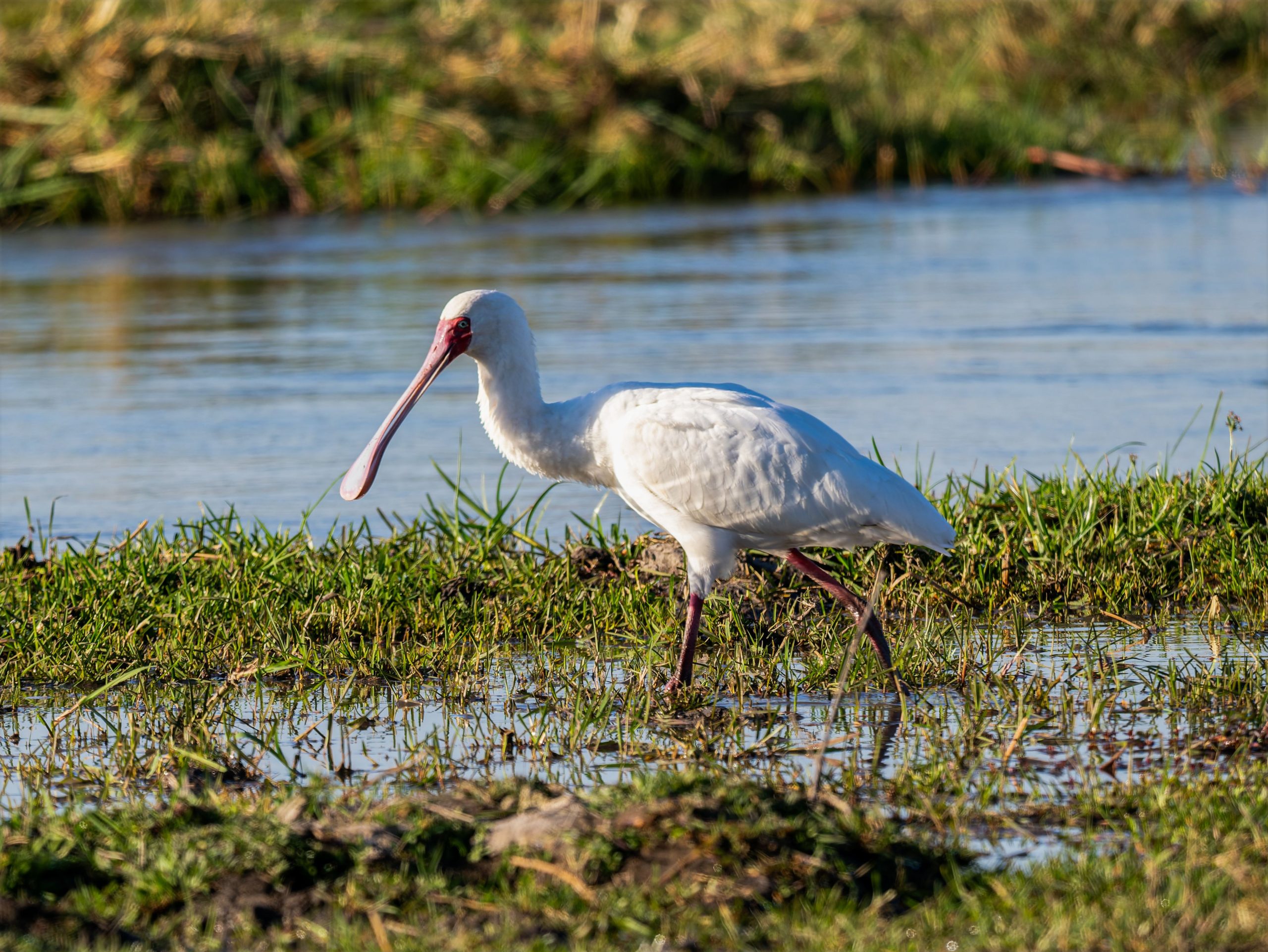
Where is the best place for bird watching in Uganda
Where is the best place for bird watching in Uganda
Where Is the Best Place for Bird Watching in Uganda?
Uganda is one of Africa’s outstanding bird-watching destinations, offering a remarkable variety of habitats ranging from tropical forests and wetlands to savannah, lakes, rivers, and montane ecosystems. Bird enthusiasts can encounter hundreds of bird species during a Uganda birding safari, including rare and highly sought-after species such as the Shoebill and numerous Albertine Rift endemics.
The best place for bird watching in Uganda depends on the type of birds you want to see. Murchison Falls National Park is particularly important for a combination of bird diversity, savannah species, riverine birds, and the Shoebill, while Bwindi Impenetrable National Park and Mgahinga Gorilla National Park are especially valuable for Albertine Rift endemic species. Mabamba Bay is another excellent destination, particularly for travelers whose main goal is to find the Shoebill. Uganda Wildlife Authority identifies Murchison Falls as excellent for a wide range of birds and Bwindi, Mgahinga, and Semuliki as key birding destinations.
Best Places for Bird Watching in Uganda
1. Murchison Falls National Park


Murchison Falls National Park is one of the leading bird-watching destinations in Uganda. The park combines savannah, woodland, riverine habitats and wetlands, creating opportunities to see many different types of birds.
One of the biggest attractions for birders is the Albert Delta, where boat excursions can provide opportunities to search for the Shoebill. Uganda Wildlife Authority specifically notes the importance of the delta for waterbirds and describes the Shoebill as one of its major attractions.
Other birds that may be encountered include:
- Shoebill
- African Fish Eagle
- Goliath Heron
- Saddle-billed Stork
- White-crested Turaco
- Various kingfishers
- Herons and egrets
- Bee-eaters
- Raptors and woodland species
Murchison Falls is particularly attractive because bird watching can be combined with traditional safari activities such as game drives and Nile boat cruises.
2. Bwindi Impenetrable National Park


For birders interested in Albertine Rift endemic species, Bwindi Impenetrable National Park is one of Uganda’s most important destinations.
The ancient forest provides habitat for numerous forest birds, making birding here very different from birding in Uganda’s savannah parks. Uganda Wildlife Authority identifies Bwindi as one of the most accessible locations for seeing Albertine Rift endemics.
A birding trip to Bwindi can also be combined with gorilla trekking, creating an opportunity to experience Uganda’s forest biodiversity in one safari.
3. Mabamba Bay Wetland


If your main objective is to search for the Shoebill, Mabamba Bay is one of the places you should consider.
Located relatively close to Kampala and Entebbe, Mabamba Bay is an extensive papyrus wetland. Bird monitoring has recorded the Shoebill and other species of conservation interest there. The site has also developed an ecotourism experience centered around Shoebill viewing.
Bird watching is commonly done from a small boat or canoe through the wetland channels. This makes Mabamba Bay a convenient option for travelers who have limited time in Uganda.
4. Semuliki National Park


Semuliki National Park is particularly interesting for serious birders because of its location within the Albertine Rift and its connection to the Guinea-Congo biome.
Uganda Wildlife Authority describes Semuliki as the only place in East Africa where many Guinea-Congo regional species can be seen.
The park’s forests offer a very different birding experience from Uganda’s open savannah parks. A guided forest birding walk can reveal species that are difficult to encounter elsewhere in the country.
5. Queen Elizabeth National Park


Queen Elizabeth National Park is another excellent destination for bird watching. Its combination of lakes, wetlands, grasslands, woodland and the Kazinga Channel creates a variety of bird habitats.
The channel is especially interesting for waterbirds, while game-drive routes can produce sightings of savannah and woodland species.
Bird watching can easily be combined with:
- Game drives
- Kazinga Channel boat cruises
- Chimpanzee tracking
- Nature walks
- Wildlife photography
This makes Queen Elizabeth a practical choice for travelers who want both wildlife and birding during the same safari.
6. Kibale National Park
Kibale is famous internationally for its chimpanzees, but its tropical forest is also valuable for bird watching.
Forest trails provide opportunities to search for colorful forest species, while the surrounding landscapes add additional habitats. A Kibale safari can therefore combine chimpanzee tracking and bird watching.
For visitors interested in primates and birds, Kibale can be incorporated into a longer western Uganda safari together with Queen Elizabeth, Bwindi, or Semuliki.
7. Lake Mburo National Park


Lake Mburo National Park offers a combination of wetlands, lakes, savannah and woodland.
The Mburo-Nakivali wetland system is recognized as a Ramsar site and supports globally threatened birds including the Papyrus Yellow Warbler and Shoebill.
Lake Mburo is also convenient for travelers looking for a shorter safari from Kampala or Entebbe.
8. Toro-Semliki Wildlife Reserve
Toro-Semliki is another excellent option for bird enthusiasts looking for unusual species and diverse habitats.
Boat trips on Lake Albert can provide opportunities to see birds such as the Shoebill, African Pygmy Goose, Blue-breasted Bee-eater, Blue-cheeked Bee-eater and Blue-headed Coucal. The reserve also offers birding opportunities along the Nyaburogo Gorge trail.
Which Place Should You Choose?
There isn’t one single birding destination that is best for every visitor. Your choice should depend on your target species and the type of landscape you want to explore.
| Birding Destination | What Makes It Special |
|---|---|
| Murchison Falls | Wide variety of birds, wetlands, savannah and Shoebill opportunities |
| Bwindi | Albertine Rift endemic forest birds |
| Mabamba Bay | Excellent Shoebill-focused birding close to Kampala and Entebbe |
| Semuliki | Guinea-Congo forest species and exceptional forest birding |
| Queen Elizabeth | Waterbirds, savannah birds and wildlife combined |
| Kibale | Forest birds combined with chimpanzee tracking |
| Lake Mburo | Wetland, savannah and woodland birding |
| Toro-Semliki | Lake Albert birding and diverse habitats |
Best Time for Bird Watching in Uganda
Uganda is suitable for bird watching throughout the year because many of its birds are resident species. However, Uganda Wildlife Authority identifies late May through September as a particularly favorable period, when there is generally less rain and food is abundant.
December and January can also be good months, while conditions vary between regions and habitats.
Birding during the wetter periods can still be rewarding, but heavy rain may make forest trails and some roads more challenging.
What Birds Can You See in Uganda?
Uganda’s diverse habitats support an impressive range of birdlife. Depending on where you travel, you may encounter:
- Shoebill
- African Fish Eagle
- Goliath Heron
- Saddle-billed Stork
- African Pygmy Goose
- Turacos
- Kingfishers
- Bee-eaters
- Weavers
- Sunbirds
- Hornbills
- Herons
- Egrets
- Raptors
- Forest specialists
- Albertine Rift endemic species
The exact species you encounter will depend on the destination, season, habitat and quality of the birding guide.
How to Plan a Uganda Bird Watching Safari
A successful birding safari should be planned around your target species.
If you particularly want to see the Shoebill, consider combining Mabamba Bay with Murchison Falls or another wetland destination.
If your priority is Albertine Rift endemics, consider a western Uganda itinerary incorporating Bwindi, Mgahinga or Semuliki.
For a broader birding experience, a longer itinerary can combine several ecosystems, giving you opportunities to see forest, wetland, riverine and savannah species.
A specialist guide can also make a major difference because experienced birding guides know the calls, habitats and locations where particular species are likely to occur.
Bird Watching With Turkana Wildlife Safaris Uganda
Turkana Wildlife Safaris Uganda can help travelers organize Uganda bird-watching experiences around their interests, available time and preferred destinations.
Whether you are looking for the Shoebill, interested in Albertine Rift endemics, or want to combine bird watching with gorilla trekking, chimpanzee tracking and traditional wildlife safaris, a customized itinerary can be designed around your priorities.
A Uganda birding safari can also be combined with destinations such as Murchison Falls, Queen Elizabeth, Kibale, Bwindi, Lake Mburo and Semuliki, depending on the number of days available.
Frequently Asked Questions
1. Where is the best place for bird watching in Uganda?
The answer depends on your target birds. Murchison Falls is excellent for a broad birding experience and Shoebill opportunities, while Bwindi and Mgahinga are important for Albertine Rift endemic species. Semuliki is particularly valuable for Guinea-Congo forest species.
2. Where can I see the Shoebill in Uganda?
Mabamba Bay and the Albert Delta in Murchison Falls National Park are among the notable places to search for Shoebills. Toro-Semliki Wildlife Reserve also offers Shoebill opportunities, particularly around Lake Albert.
3. Is Uganda good for bird watching?
Yes. Uganda’s combination of forests, wetlands, lakes, rivers, mountains and savannah creates a wide range of bird habitats. Uganda Wildlife Authority describes the country as suitable for bird watching throughout the year.
4. What is the best time for bird watching in Uganda?
Bird watching is possible throughout the year, but late May through September is generally considered a particularly favorable period because of lower rainfall and abundant food.
5. Can I combine bird watching with a wildlife safari?
Yes. Destinations such as Murchison Falls, Queen Elizabeth and Lake Mburo allow visitors to combine bird watching with game drives and other wildlife experiences.
6. Can I combine bird watching with gorilla trekking?
Yes. Bwindi and Mgahinga offer opportunities to combine forest birding with gorilla trekking, depending on your itinerary and permits.
7. How many days do I need for a Uganda birding safari?
A short trip can focus on one or two locations, while a longer itinerary of 7–14 days allows you to explore several habitats and birding regions. The ideal duration depends on your target species.
8. Do I need a specialist birding guide?
A specialist or experienced birding guide is highly recommended, especially if you are searching for specific or difficult-to-identify species. Guides can help identify birds by sight and call and improve the overall birding experience.
Conclusion
Uganda offers exceptional bird-watching opportunities because of its remarkable variety of habitats. Murchison Falls National Park, Bwindi Impenetrable National Park, Mabamba Bay, Semuliki National Park, Queen Elizabeth National Park, Kibale National Park, Lake Mburo and Toro-Semliki Wildlife Reserve each provide different birding experiences.
For a Shoebill-focused trip, Mabamba Bay and Murchison Falls are important choices. For Albertine Rift endemic birds, Bwindi and Mgahinga are especially significant, while Semuliki offers access to distinctive Guinea-Congo forest species.
With the right itinerary and an experienced guide, Turkana Wildlife Safaris Uganda can help you explore Uganda’s wetlands, forests, rivers and savannahs while searching for some of the country’s most remarkable bird species.