
What Clothing is Best for a Safari in Uganda
What Clothing is Best for a Safari in Uganda
What Clothing is Best for a Safari in Uganda: The Complete Guide
Planning a safari in Uganda means preparing for one of the most diverse and rewarding wildlife experiences in Africa. From the misty forests of Bwindi Impenetrable National Park to the sun soaked savannahs of Queen Elizabeth National Park, Uganda offers an incredible range of environments. What you wear can make the difference between a comfortable, immersive adventure and a challenging, uncomfortable one. This guide covers exactly what clothing is best for a safari in Uganda, with practical tips for game drives, gorilla trekking, and cultural encounters.
Why Clothing Choices Matter on a Uganda Safari
Uganda sits on the equator, but its climate is far from uniform. Lowland areas like Murchison Falls can reach 30°C (86°F) during the day, while highland regions such as Bwindi can drop to 10°C (50°F) at night. On any given safari day, you might experience warm sunshine, cool morning mist, and sudden rain showers. Your clothing must handle all of these conditions while also protecting you from insects, sun, and dense vegetation.
Beyond comfort, clothing choices affect your wildlife experience. Bright colors and certain dark shades can disturb animals or attract biting insects. Dressing appropriately also shows respect for local cultures, especially when visiting communities or towns. The right wardrobe is functional, respectful, and adaptable.
The Golden Rules: Colors, Fabrics, and Layers
Stick to neutral earth tones. Khaki, olive green, beige, tan, and brown are the best choices for a Uganda safari. These colors blend into the environment, hide dust and mud, and do not alarm wildlife. Avoid bright white, neon, and vivid reds or oranges, which stand out and can scare animals.
Be careful with dark blue and black. These colors attract tsetse flies, which are common in savannah parks like Murchison Falls and Queen Elizabeth. Tsetse fly bites are painful, so leaving dark clothing at home is a smart move.
Choose quick drying, breathable fabrics. Cotton absorbs water and dries slowly, which can leave you cold and damp after rain. Instead, pack lightweight synthetic fabrics, merino wool, or linen. These materials wick moisture, dry quickly, and regulate temperature.
Dress in layers. Uganda’s weather can shift from cool to hot within hours. A moisture wicking base layer, an insulating fleece or sweater, and a waterproof outer shell give you flexibility to adapt throughout the day. Layers are especially important for early morning game drives and high altitude treks.
Clothing for Game Drives
Game drives in Uganda typically happen in the early morning and late afternoon when wildlife is most active. Mornings can be surprisingly cold, especially in open vehicles. Here is what works best.
For your upper body, bring long sleeved shirts in neutral colors. Long sleeves protect against sunburn, mosquitoes, and tsetse flies. Pack a couple of t-shirts for warm afternoons at the lodge. A light fleece or jacket is essential for cool mornings and evenings.
For your lower body, lightweight safari trousers or convertible pants are ideal. They offer protection from insects and sun while remaining comfortable. Shorts are fine for relaxing at the lodge but are not recommended for game drives or treks.
Footwear for game drives should be comfortable and closed toe. Sturdy trainers or light hiking shoes work well. Sandals or flip flops are perfect for downtime at camp but should not be worn in the bush.
Clothing for Gorilla Trekking and Chimpanzee Trekking
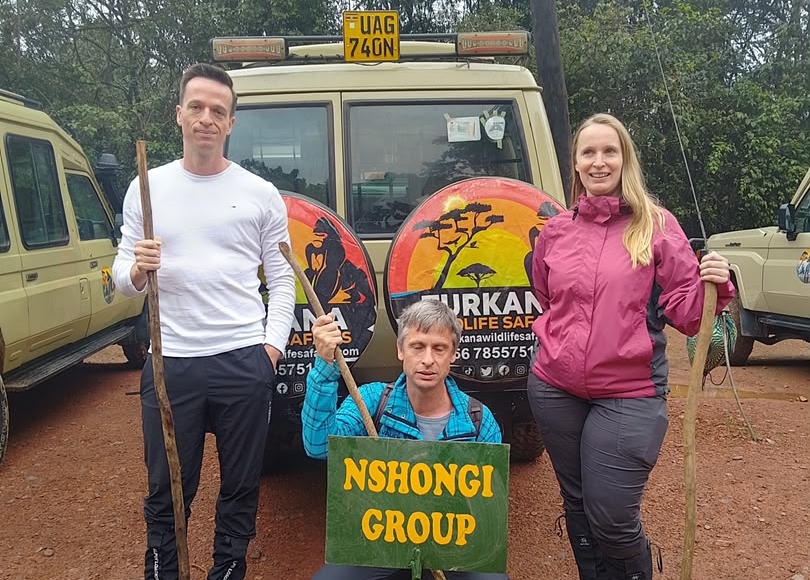
Gorilla trekking is the highlight of many Uganda safaris, and it demands specific clothing. The terrain in Bwindi and Mgahinga is dense, muddy, steep, and full of stinging nettles and thorny undergrowth. Trekking can last anywhere from two to eight hours.
Long sleeved shirts are non negotiable. They protect your arms from scratches, nettles, and insect bites. Choose lightweight, moisture wicking fabrics rather than heavy cotton. A base layer plus a fleece for cool mornings works well.
Long trousers are equally important. Tuck them into your socks to keep out ants and other insects. Lightweight hiking pants with reinforced knees are ideal. Avoid jeans because they become heavy and cold when wet and take hours to dry.
A waterproof rain jacket is essential. Rain can occur at any time of year in the rainforest, and a sudden downpour can soak you within minutes. A poncho or rain jacket with a hood is a must.
Gardening gloves are a small but valuable addition. They protect your hands when grabbing branches and vines on steep sections of the trail. Gaiters are also highly recommended, especially in the wet season, to keep mud, seeds, and insects out of your boots.
A wide brimmed hat protects your face and neck from sun and light rain. A warm beanie is useful for cold mornings at high altitude.
For a detailed packing list specifically for gorilla trekking, Turkana Wildlife Safaris offers a comprehensive guide: What Should I Wear for Gorilla Trekking. Their Gorilla Tracking Uganda Packing List also provides expert tips for a comfortable and safe trek.
Footwear: The Most Important Investment
Your shoes can make or break your safari. For gorilla and chimpanzee trekking, waterproof hiking boots with ankle support and deep tread are essential. The trails are often muddy, slippery, and uneven. Trail runners and regular sneakers do not provide enough grip or protection.
Break in your boots before you travel. Blisters on the first day of a multi day safari can ruin the rest of your trip.
For game drives and lodge evenings, bring a pair of comfortable walking shoes or trainers. Sandals or flip flops are useful for relaxing at camp.
Pack moisture wicking socks, ideally a wool blend. These prevent blisters and keep your feet dry. Bring more socks than you think you need, especially if you are trekking in the wet season.
Accessories and Extras
A wide brimmed hat and UV protection sunglasses are essential for sun protection. A scarf or buff is useful for dust protection on game drives and for warmth on cool mornings.
Insect repellent with DEET is critical for preventing mosquito and tsetse fly bites. Apply it to exposed skin and consider permethrin treated clothing for extra protection.
A small daypack is useful for carrying water, snacks, a camera, and rain gear. A waterproof cover or dry bag will protect your electronics during rainforest treks.
Bring a reusable water bottle to stay hydrated. A headlamp or small torch is helpful for remote lodges with limited power.
For a full overview of what to pack beyond clothing, Turkana Wildlife Safaris has a Safari Tips Checklist that covers planning essentials for a seamless journey.
Cultural Respect and Modest Dress
Uganda is a conservative country, and dressing modestly shows respect for local communities. This is especially important when visiting villages, markets, churches, or mosques.
Avoid very short shorts, tank tops, and revealing clothing in public settings. Lightweight pants, long skirts, and shirts that cover your shoulders are the best choices for cultural visits. In towns like Kampala or Entebbe, locals dress smartly, so clean, presentable casual clothing is appreciated.
For women, knee length or longer skirts and loose fitting pants are respectful and comfortable. Men are received warmly in trousers or neat long shorts with a simple shirt.
What Not to Wear on Safari in Uganda
Camouflage patterned clothing is strictly prohibited in Uganda. Camouflage is reserved for military and police forces, and wearing it can lead to unwanted attention from security officials. Leave all camo gear at home.
Avoid bright white, neon, and vivid colors. These stand out in the bush and can disturb wildlife.
Do not wear dark blue or black in tsetse fly areas. These colors attract the flies and can make your game drive miserable.
Skip jeans for trekking. They are heavy, slow to dry, and restrict movement on steep trails.
Do not wear open sandals or flip flops in the bush. They offer no protection from thorns, insects, or rough terrain.
Seasonal Considerations
Uganda has two main rainy seasons: March to May and September to November. During these months, trails are muddier, and rain is more frequent. Waterproof gear becomes even more critical. Quick dry fabrics and gaiters are highly recommended.
The dry seasons, from June to September and December to February, are generally warmer and sunnier. However, rain can still occur at any time, especially in forest regions. Lightweight, breathable clothing and sun protection are priorities during these months.
Highland areas like Bwindi are cool year round. Always pack a warm layer and a waterproof jacket regardless of the season.
Frequently Asked Questions
Can I wear shorts on a Uganda safari?
Shorts are fine for relaxing at the lodge, but they are not recommended for game drives or trekking. Long trousers protect against insects, sun, and scratches from vegetation. If you wear shorts during a game drive, you may attract tsetse flies and expose your legs to mosquito bites.
What colors should I avoid on a Uganda safari?
Avoid bright white, neon, red, orange, and yellow. Also avoid dark blue and black in tsetse fly areas. Camouflage patterns are prohibited entirely. Stick to khaki, olive, beige, tan, and brown.
Do I need special clothing for gorilla trekking?
Yes. Long sleeved shirts, long trousers, waterproof hiking boots, a rain jacket, and gardening gloves are essential. Gaiters are highly recommended. Tuck your trousers into your socks to keep out ants and insects.
How many layers should I pack for a Uganda safari?
Plan for three layers: a moisture wicking base layer, an insulating mid layer like a fleece, and a waterproof outer shell. This system works for cool mornings, warm afternoons, and sudden rain.
Is it okay to wear jeans on safari?
Jeans are not ideal for trekking because they become heavy and cold when wet and take a long time to dry. Lightweight hiking pants or quick dry trousers are much better choices. Jeans can be worn around the lodge in the evening.
What shoes are best for a Uganda safari?
Waterproof hiking boots with ankle support and deep tread are best for gorilla and chimpanzee trekking. Sturdy trainers or light hiking shoes work for game drives. Sandals or flip flops are fine at the lodge.
Do I need a hat and sunglasses?
Yes. A wide brimmed hat protects your face and neck from the equatorial sun. UV protection sunglasses reduce glare and protect your eyes. A scarf or buff is also useful for dust protection on game drives.
How should I dress for cultural visits in Uganda?
Dress modestly. Avoid very short shorts, tank tops, and revealing clothing. Lightweight pants, long skirts, and shirts that cover your shoulders are respectful and appropriate. In towns, smart casual clothing is appreciated.
Conclusion
Packing the right clothing for a Uganda safari is about preparation, comfort, and respect. The formula is simple: neutral earth tones, quick drying fabrics, strategic layers, and sturdy footwear. Long sleeves and long trousers protect you from sun, insects, and dense vegetation. A waterproof jacket handles Uganda’s unpredictable rain. Gaiters and gardening gloves make gorilla trekking safer and more comfortable. Modest clothing shows respect for local cultures.
With the right wardrobe, you can focus entirely on the extraordinary wildlife and landscapes of Uganda. Whether you are tracking mountain gorillas in Bwindi, cruising the Nile at Murchison Falls, or watching elephants in Queen Elizabeth National Park, the right clothing keeps you comfortable and ready for every adventure.
For more detailed guidance on planning your Uganda safari, including packing checklists and trekking tips, visit Turkana Wildlife Safaris. Their expert resources can help you prepare for an unforgettable journey.