
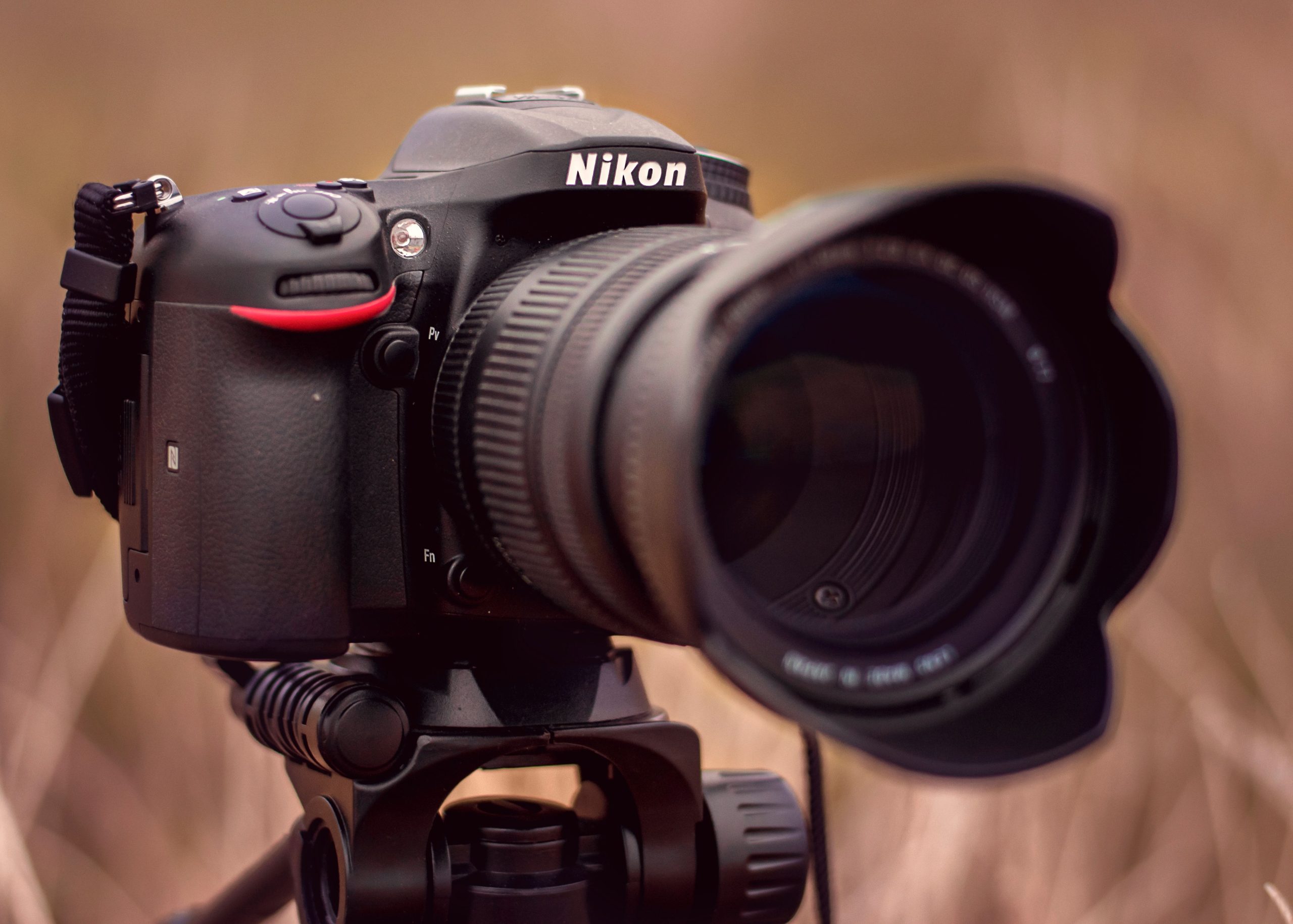
What type of camera is best for safari photography
What type of camera is best for safari photography
What Type of Camera is Best for Safari Photography in Uganda
Uganda, often called the Pearl of Africa, offers photographers a remarkable variety of wildlife and landscapes. From mountain gorillas in the misty forests of Bwindi to tree climbing lions in Queen Elizabeth National Park, the photographic opportunities are extraordinary. Choosing the right camera for safari photography in Uganda requires understanding the unique conditions you will encounter. This guide will help you select the best camera and gear for capturing unforgettable images of Uganda’s wildlife.
Understanding Uganda’s Photographic Environments
Uganda presents two distinct photographic challenges that your camera must handle well. The dense rainforests of Bwindi and Kibale have thick canopies that block up to eighty percent of natural sunlight, creating very low light conditions. Flash photography is not permitted during primate tracking, so your camera must perform exceptionally well at high ISO settings.
In contrast, the open savannahs of Murchison Falls and Kidepo Valley offer abundant light but require massive telephoto reach to photograph distant leopards, elephants, and birds. Your camera needs to excel in both extremes.
Best Camera Types for Uganda Safari Photography
Mirrorless Cameras
Mirrorless cameras have become the top choice for safari photography in Uganda. They offer fast autofocus, excellent low light performance, and silent shutter options that are crucial for photographing gorillas and chimpanzees without disturbing them. The electronic viewfinder also lets you preview exposure changes in real time, which helps in rapidly shifting forest light.
The Canon R6 Mark II stands out as an excellent all around choice for Uganda safaris. Its weather sealing handles sudden showers in Bwindi, and its low light performance is perfect for shaded forest floors where gorillas reside. The fast burst shooting at forty frames per second captures fleeting wildlife moments with precision.
The Canon R8 offers full frame quality in an ultra lightweight body, making it a game changer for gorilla trekking where every gram counts on steep muddy trails. For photographers who value portability without sacrificing image quality, this camera delivers outstanding results.
DSLR Cameras
DSLR cameras remain a solid option for safari photography in Uganda. They offer excellent battery life, which is valuable during long game drives, and a vast selection of lenses at various price points. However, they are generally heavier and bulkier than mirrorless alternatives, which can be a disadvantage during gorilla trekking.
Any DSLR with manual controls will work, but look for a body with fast reliable autofocus, good high ISO performance, and a quick burst rate. These features help you capture sharp images in challenging conditions.
APS-C Sensor Cameras
Cameras with APS-C sensors offer a significant advantage for wildlife photography. The crop factor of 1.5x or 1.6x extends the reach of your telephoto lenses, turning a 400mm lens into a 640mm equivalent. This extra reach is invaluable for photographing shy leopards and small birds. The Canon R10 is an excellent beginner powerhouse that provides this benefit in a lightweight package.
Essential Lenses for Uganda Safari Photography
Your lens choice matters more than almost anything else on safari. For game drives and bird photography, a telephoto zoom lens in the 100 to 400mm or 150 to 600mm range is the workhorse you need. This focal range covers most wildlife encounters in Uganda’s national parks.
For gorilla and chimpanzee photography, a mid range zoom such as a 70 to 200mm f/2.8 lens is ideal. The wide f/2.8 aperture lets in maximum light in the dim forest and creates beautiful background blur that separates your subject from distracting foliage.
A wide angle lens in the 16 to 35mm range is perfect for capturing sweeping landscapes, camps, and environmental shots that show animals in their habitat.
Camera Features That Matter Most in Uganda
When selecting a camera for Uganda safari photography, prioritize these features. Fast and reliable autofocus with animal eye detection helps you track moving subjects effortlessly. High ISO performance allows you to shoot at ISO 3200 or 6400 in Bwindi’s dark forest without excessive noise. A quick burst rate of at least ten frames per second captures split second action like a lion’s yawn or a bird taking flight. Weather sealing protects your investment from dust and sudden equatorial rains. Silent shutter mode is essential for primate photography where any sound could disturb the animals.
Accessories to Complement Your Camera
A bean bag is far more useful than a tripod for vehicle based photography in Uganda. Rest your lens on the window frame or roof edge for stability. Spare batteries and memory cards are critical because you will shoot more than you expect and humidity drains batteries faster. A rain cover protects your gear during sudden jungle downpours. Silica gel packs help protect equipment from constant humidity. A reliable lens cleaning kit keeps your optics free from dust and condensation.
Practical Tips for Safari Photography in Uganda
Shoot in early morning and late afternoon when light is soft and wildlife is most active. When photographing from a vehicle, stand rather than lean, and brace your elbows on the roof edge for stability. Ask your driver to switch off the engine when safely stationary near wildlife because even idling causes vibration that softens images at longer focal lengths. For moving animals, use a shutter speed of 1/1000s or faster. Never change lenses outdoors during dusty game drives, as this exposes your sensor to fine grit.
Turkana Wildlife Safaris provides specially designed safari vehicles with pop up roofs that serve as excellent photography platforms. Their experienced driver guides understand wildlife behavior and can position the vehicle for optimal lighting and angles.
Frequently Asked Questions
What is the best camera for gorilla trekking in Uganda?
A mirrorless camera with excellent low light performance and silent shutter is ideal for gorilla trekking. The Canon R6 Mark II or Sony Alpha 7 IV are top choices because they handle the dark forest conditions of Bwindi exceptionally well while remaining silent to avoid disturbing the gorillas.
Do I need a full frame camera for safari photography in Uganda?
While full frame cameras offer superior low light performance and dynamic range, they are not strictly necessary. APS-C sensor cameras actually provide extra reach due to their crop factor, which is beneficial for photographing distant wildlife. Both formats can produce outstanding safari images.
What lens should I bring for Uganda safari photography?
Bring at least two lenses: a telephoto zoom in the 100 to 400mm range for game drives and a mid range zoom like a 70 to 200mm f/2.8 for gorilla trekking. If possible, also pack a wide angle lens for landscapes. A bean bag is more practical than a tripod for vehicle based photography.
Can I use a smartphone for safari photography in Uganda?
Smartphones can capture lovely landscape images and close subjects, but they lack the telephoto reach needed for distant wildlife. For serious safari photography, a DSLR or mirrorless camera with interchangeable lenses is strongly recommended.
How should I protect my camera in Uganda’s humid forests?
Use a rain cover for your camera and lens, carry silica gel packs in your camera bag to absorb moisture, and avoid changing lenses in humid environments. A dry bag provides additional protection during boat safaris and forest treks.
What camera settings work best for Uganda safari photography?
For moving wildlife, use shutter priority or manual mode with a shutter speed of 1/1000s or faster. For stationary subjects, 1/250 to 1/500s is usually sufficient. Use auto ISO with a maximum of 3200 to 6400 on modern cameras. Enable continuous autofocus for tracking moving subjects.
Should I bring two camera bodies to Uganda?
Yes, carrying two camera bodies is highly recommended. This allows you to keep a telephoto lens on one body and a mid range or wide angle lens on the other, eliminating the need to swap lenses in dusty conditions and ensuring you never miss a shot.
Conclusion
Choosing the right camera for safari photography in Uganda depends on your specific needs and budget. Mirrorless cameras like the Canon R6 Mark II and Canon R8 offer an excellent balance of performance, portability, and weather sealing that suits Uganda’s diverse photographic environments. Pair your camera with a telephoto zoom for game drives and a fast mid range zoom for primate photography.
Remember that the best camera is the one you know how to use well. Practice with your gear before your trip, understand its limitations in low light, and master the autofocus system. Uganda’s wildlife encounters, from mountain gorillas to tree climbing lions, are once in a lifetime experiences that deserve to be captured beautifully.
For photographers seeking a tailored safari experience, Turkana Wildlife Safaris offers customized itineraries designed around photography. Their fleet of 4×4 Land Cruisers with pop up roofs provides excellent mobile photography platforms, and their experienced guides understand how to position you for the best shots. You can reach them through their website or contact them directly at info@turkanawildlifesafaris.com or by phone at +256-785575165.
Start planning your Uganda safari photography adventure today and prepare to bring home images that capture the magic of the Pearl of Africa.