
Uganda Safari Safety Guide for First Time Visitors
Uganda Safari Safety Guide for First Time Visitors
Uganda Safari Safety Guide for First Time Visitors
Introduction
A Uganda safari is one of Africa’s most rewarding travel experiences. The country offers mountain gorilla trekking in Bwindi Impenetrable Forest, chimpanzee tracking in Kibale, classic game drives in Queen Elizabeth National Park, and the dramatic Nile scenery of Murchison Falls. For first time visitors, the question is simple: is a Uganda safari safe? The answer is yes, provided you prepare properly, follow guide instructions, and travel with a reputable local operator.
This Uganda safari safety guide covers the essential health precautions, wildlife rules, road safety advice, and practical tips that every first time visitor should know. It also explains how Turkana Wildlife Safaris Uganda supports safe, well organised safari experiences from Kampala and beyond.
Health Preparation Before Your Uganda Safari
Health preparation is the most important safety step for any first time visitor to Uganda. A little planning before departure prevents most problems on the road. For a detailed pre-trip checklist, see the Safari Tips Checklist.
Vaccinations and Entry Requirements
Yellow fever vaccination is a mandatory entry requirement for Uganda. You will need to show a valid yellow fever certificate at immigration. Beyond yellow fever, travel health professionals commonly recommend hepatitis A, hepatitis B, typhoid, and routine vaccinations being current. Book a travel health consultation at least four to six weeks before departure so that vaccines have time to take effect.
Malaria Prevention
Malaria is present across most of Uganda, including the national parks and lower altitude areas around Lake Victoria. Malaria prevention has two parts: antimalarial tablets prescribed by a qualified healthcare professional, and bite prevention using insect repellent with DEET or Picaridin, long sleeves in the evening, and mosquito nets where provided. If you develop a fever during or after your safari, seek a malaria test promptly. Turkana Wildlife Safaris Uganda also covers malaria precautions in its Safari Safety Tips in Uganda.
Water and Food Safety
Tap water should be avoided. Stick to bottled or filtered water, and most safari lodges provide purified drinking water as standard. Avoid ice in drinks outside reputable lodges, and choose freshly cooked food served hot. Wash hands frequently and carry alcohol based sanitiser.
Travel Insurance and Medical Evacuation
Comprehensive travel insurance is essential for a Uganda safari. Your policy should include medical evacuation cover, since some safari areas are remote and transfers to specialist care may be required. Carry a copy of your insurance details and emergency contact numbers with you at all times.
Wildlife Safety on Safari
Uganda’s national parks are home to elephants, lions, leopards, buffalo, hippos, and primates. Wildlife encounters are the highlight of any safari, but they require respect and discipline. The good news is that organised safaris with professional guides are very safe when park rules are followed. Turkana Wildlife Safaris Uganda outlines these principles in its Safari Safety Tips in Uganda.
Game Drive Safety
Stay inside the safari vehicle during game drives unless your guide explicitly says it is safe to step out. Safari vehicles are purpose built for safe viewing, and guides maintain safe distances from dangerous animals. Never ask a driver to approach an animal too closely, and never stand through the pop up roof in areas where lions or elephants are nearby. If you are in an unfenced lodge, ask for an escort after dark, as hippos often graze near lakes and rivers at night.
Gorilla Trekking Safety
Gorilla trekking is remarkably safe when you follow the rules. Mountain gorillas in Bwindi and Mgahinga are habituated to human presence and are generally calm around visitors. Uganda Wildlife Authority rangers lead every trek and enforce strict rules: maintain a distance of at least seven metres from the gorillas, do not use flash photography, do not eat near the gorillas, and do not trek if you are unwell, to protect the gorillas from human diseases. For a complete guide to rules and preparation, see Uganda Gorilla Safety and the Uganda Gorilla Trekking for First Time Visitors guide.
The main physical risks on a gorilla trek are steep, muddy slopes and altitude. Wear sturdy hiking boots, hire a porter for your day pack, and walk at a pace that suits you. Walking sticks are usually provided at the trailhead.
Chimpanzee Tracking Safety
Chimpanzee tracking in Kibale Forest follows similar principles. Keep your distance, follow ranger instructions, and never attempt to touch or feed the chimpanzees. Chimpanzees are wild animals and can be unpredictable, so staying with your group and remaining calm is essential.
Hippos, Crocodiles, and Boat Safaris
Hippos are statistically the most dangerous large animal in Africa, but organised boat safaris on the Kazinga Channel and the Nile are managed carefully with experienced captains who keep a safe distance. Never walk unaccompanied near lakes or rivers, especially at night. Avoid swimming in still fresh water unless your lodge confirms it is safe, as some water bodies carry bilharzia.
Road and Transport Safety in Uganda
Road travel is part of every Uganda safari, and it is the area where first time visitors benefit most from professional planning. Uganda’s main highways have improved, but routes to national parks can be rough, slow, and longer than expected. A journey that looks like four hours on a map may take seven or eight hours in reality.
Travel with an experienced driver guide who knows the roads, fuel stops, and park entrances. Avoid night driving outside towns, and allow generous time between destinations. If you are transferring within Kampala or Entebbe, use transport arranged by your hotel or safari operator rather than hailing unknown vehicles. Boda bodas, the motorbike taxis common in Ugandan cities, have a poor safety record and are not recommended for safari visitors. For a realistic breakdown of routes and driving times, see Uganda Safari from Kampala: Routes, Prices and Travel Times.
Accommodation and General Travel Awareness
Choose well reviewed lodges and camps that are familiar with international safari guests. Keep valuables in the lodge safe, carry only the cash you need for the day, and keep phones and cameras out of sight in busy public areas. Exercise normal travel awareness in towns and transport hubs, and rely on your guide or lodge staff for local advice.
Respect local customs. Ask before photographing people, dress modestly away from lodges, and never photograph military or government sites. These simple habits help you avoid misunderstandings and show respect for the communities you visit.
What to Pack for Safety and Comfort
Packing the right gear makes a Uganda safari safer and more enjoyable. Essentials include sturdy hiking boots with good grip, light rain gear, long trousers and long sleeved shirts for evening insect protection, a wide brimmed hat, high DEET insect repellent, bottled water, a small first aid kit, and a headlamp or torch. Carry copies of your passport, yellow fever certificate, insurance policy, and emergency contacts in a separate bag from the originals. A full packing list is available in the Safari Tips Checklist.
Why Choose Turkana Wildlife Safaris Uganda
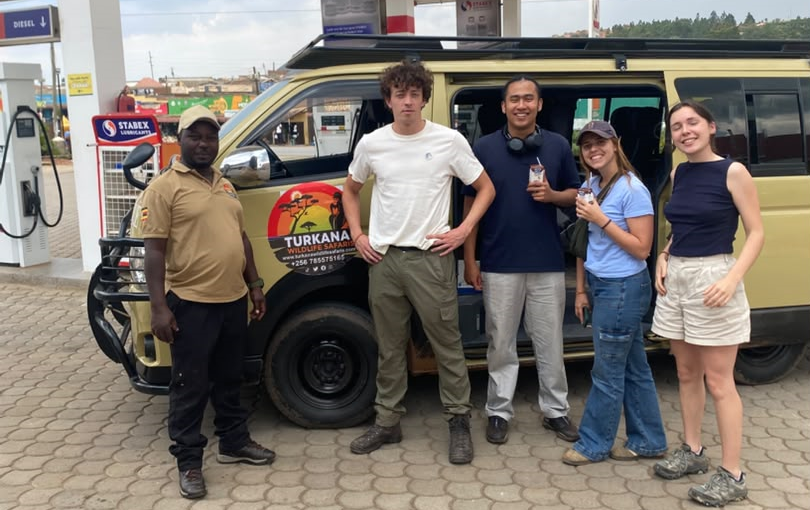
Turkana Wildlife Safaris Uganda is a Kampala based operator that designs private and small group safaris across Uganda and East Africa. The company offers tailor made itineraries, professional driver guides, and well maintained safari vehicles, which removes much of the logistical uncertainty that first time visitors face.
Turkana Wildlife Safaris Uganda provides a range of packages that suit different budgets and travel styles. The Private Uganda Safari Packages page covers fully customised itineraries with a private 4×4 vehicle, pop up roof, charging ports, and a dedicated guide. Travellers who prefer a balance of comfort and value can explore the Mid Range Safari Packages, which include gorilla trekking, chimpanzee tracking, and game viewing across Uganda and neighbouring countries. Budget conscious travellers can compare options on the Budget Safari Packages page.
For first time visitors who want a focused primate experience, the 3 Days Luxury Gorilla Trekking and Batwa Experience includes airport transfers, gorilla trekking permits, accommodation, meals, an Equator photo stop, and a Batwa cultural experience. For a broader introduction to Uganda, the Uganda Safari from Kampala guide explains the main routes, driving times, and package options from the capital to Bwindi, Murchison Falls, Queen Elizabeth, and Kibale.
Choosing a local operator like Turkana Wildlife Safaris Uganda means your safety questions are answered before you travel, your itinerary is realistic about driving times, and your guide is experienced in park rules and wildlife behaviour.
Frequently Asked Questions
Is a Uganda safari safe for first time visitors?
Yes. Uganda is generally safe for tourists, especially those travelling on organised safaris with a reputable operator. The main considerations for first time visitors are health preparation, road travel, and following wildlife rules.
Do I need a yellow fever vaccination for Uganda?
Yes. A valid yellow fever vaccination certificate is a mandatory entry requirement for Uganda and is checked at immigration.
Is malaria a risk on Uganda safaris?
Yes. Malaria is present across most of Uganda, including the national parks. Travellers should take antimalarial tablets as prescribed and use insect repellent, long sleeves, and mosquito nets. See Turkana Wildlife Safaris Uganda’s Safari Safety Tips in Uganda for more health guidance.
Is gorilla trekking in Uganda safe?
Yes. Gorilla trekking is led by Uganda Wildlife Authority rangers and is very safe when rules are followed. Maintain a seven metre distance from the gorillas, do not use flash photography, and do not trek if you are unwell. Full guidelines are available in the Uganda Gorilla Safety resource.
Can I drink tap water in Uganda?
No. Stick to bottled or filtered water. Most safari lodges provide purified drinking water, but avoid tap water and ice from unknown sources.
What should I do if I encounter a hippo or elephant on foot?
Never approach a hippo or elephant on foot. Follow your guide’s instructions immediately, move away calmly, and never run. In unfenced lodges, use an escort after dark.
Is it safe to drive at night in Uganda?
Night driving outside towns is not recommended. Roads can be rough, lighting is limited, and wildlife may cross the road. Travel during daylight hours with an experienced driver guide.
Which safari operator should first time visitors choose in Uganda?
Choose a local operator with strong safety practices and transparent itineraries. Turkana Wildlife Safaris Uganda offers Private Uganda Safari Packages, Mid Range Safari Packages, and Budget Safari Packages with professional guides and realistic travel planning.
Conclusion
A Uganda safari is safe for first time visitors when health preparation, wildlife rules, and road safety are taken seriously. The most important steps are simple: get the yellow fever vaccination, arrange malaria prevention, drink bottled or filtered water, stay in the vehicle on game drives, follow ranger instructions on primate treks, and travel with an experienced local operator.
Turkana Wildlife Safaris Uganda removes much of the guesswork from a first Uganda safari. From Private Uganda Safari Packages and Mid Range Safari Packages to focused gorilla trekking experiences and detailed Safari Safety Tips in Uganda, the company provides the guides, vehicles, and local knowledge that keep a safari smooth and secure. With the right preparation and the right team, a Uganda safari is not only safe but unforgettable.