
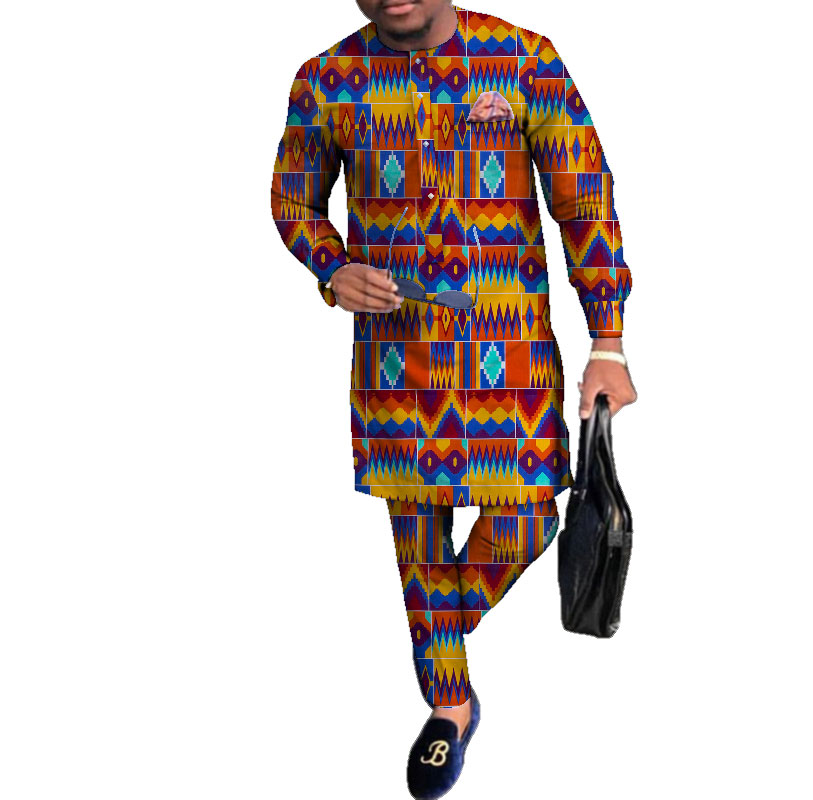
African Menswears
African Menswears
The Evolution and Influence of African Menswear: A Cultural and Modern Perspective
African menswear has become a global phenomenon, blending traditional aesthetics with contemporary fashion trends. Rooted in centuries of rich cultural heritage, African menswear is not just clothing—it is a reflection of identity, history, and innovation. From the vibrant patterns of Ankara to the regal elegance of Agbada, African menswear has transcended borders, influencing global fashion while maintaining its authenticity. This article explores the evolution, cultural significance, and modern-day impact of African menswear, showcasing its versatility and timeless appeal.
The Historical Roots of African Menswear
African menswear has its origins deeply embedded in the continent’s diverse cultures and traditions. Each region boasts unique clothing styles that reflect its history, climate, and societal norms. Here are some notable examples:
- Agbada: Originating from West Africa, the Agbada is a flowing robe worn by men, symbolizing prestige and royalty. It is often intricately embroidered, showcasing the wearer’s status.
- Dashiki: The Dashiki, a colorful garment with bold patterns, gained prominence in the 1960s as a symbol of African pride and resistance against colonialism.
- Kente Cloth: Native to Ghana, Kente is a handwoven fabric made of silk and cotton. Its vibrant colors and patterns carry symbolic meanings, often representing proverbs or historical events.
- Shuka: Worn by the Maasai people of East Africa, the Shuka is a bright red cloth that serves both functional and cultural purposes, symbolizing bravery and strength.
These garments were not just functional; they were also deeply symbolic, representing social status, marital status, and even spiritual beliefs.
The Cultural Significance of African Menswear
African menswear is more than just fashion—it is a medium of storytelling and cultural expression. Each piece of clothing carries a narrative, often tied to the wearer’s heritage or community. Here are some key aspects of its cultural significance:
- Identity and Heritage: Traditional African clothing serves as a marker of identity, connecting individuals to their ethnic groups and ancestors.
- Ceremonial Use: Many African garments are reserved for special occasions such as weddings, funerals, and religious ceremonies. For example, the Agbada is often worn during traditional Yoruba weddings.
- Symbolism: Colors and patterns in African menswear often have symbolic meanings. For instance:
- Red: Represents strength and bravery.
- Gold: Symbolizes wealth and prosperity.
- Green: Reflects fertility and growth.
- Craftsmanship: The intricate designs and handwoven fabrics highlight the skill and artistry of African textile makers, preserving traditional techniques passed down through generations.
Modern African Menswear: A Global Influence
In recent years, African menswear has gained international recognition, influencing designers and fashion houses worldwide. The fusion of traditional elements with modern designs has made African menswear a staple in contemporary fashion. Here’s how it has evolved:
1. Blending Tradition with Modernity
Modern African designers are reimagining traditional garments, creating pieces that appeal to a global audience. For example:
- Dashiki-inspired suits: Combining the bold patterns of Dashikis with tailored suits for a modern, professional look.
- Casual Agbada: Designers are creating lightweight, casual versions of the Agbada for everyday wear.
2. Sustainability and Ethical Fashion
African menswear is often crafted using sustainable practices, such as handweaving and natural dyeing. This aligns with the global shift towards ethical fashion, making African clothing more appealing to environmentally conscious consumers.
3. Celebrity Endorsements
Celebrities like Chadwick Boseman, Jidenna, and Burna Boy have popularized African menswear on red carpets and global stages, showcasing its versatility and elegance.
4. Streetwear and Urban Fashion
African prints and patterns have made their way into streetwear, with hoodies, sneakers, and jackets featuring traditional designs. This fusion of cultures has created a unique style that resonates with younger generations.
Key Elements of African Menswear
To truly appreciate African menswear, it’s essential to understand its key elements:
1. Fabrics
African menswear is known for its high-quality fabrics, including:
- Ankara: A vibrant, wax-printed fabric that is versatile and widely used.
- Kente: A luxurious fabric with intricate patterns, often reserved for special occasions.
- Adire: A tie-dye fabric from Nigeria, known for its unique patterns.
2. Patterns and Colors
The bold patterns and vibrant colors of African menswear are instantly recognizable. These designs often tell stories or convey messages, making each piece unique.
3. Accessories
Accessories play a crucial role in African menswear, adding a touch of elegance and personality. Common accessories include:
- Beaded necklaces: Often worn for ceremonial purposes.
- Caps and hats: Such as the Yoruba Fila or the Zulu Isicholo.
- Leather sandals: Handcrafted and durable, they complement traditional outfits.
The Rise of African Menswear Brands
Several African designers and brands have gained international acclaim for their innovative designs. Here are a few notable names:
- Ozwald Boateng: A British-Ghanaian designer known for his bespoke suits that blend African aesthetics with Western tailoring.
- Orange Culture: A Nigerian brand that combines traditional Nigerian fabrics with contemporary designs.
- Maxhosa Africa: A South African brand celebrated for its knitwear inspired by Xhosa beadwork.
These brands are not only promoting African fashion but also creating opportunities for local artisans and communities.
Styling African Menswear: Tips and Trends
If you’re looking to incorporate African menswear into your wardrobe, here are some styling tips:
- Mix and Match: Pair traditional African garments with modern pieces for a balanced look. For example, wear a Dashiki with jeans or an Ankara blazer with chinos.
- Accessorize Wisely: Add traditional accessories like beaded bracelets or leather sandals to enhance your outfit.
- Experiment with Patterns: Don’t be afraid to mix different patterns and colors, as long as they complement each other.
- Tailoring is Key: Ensure your garments are well-fitted to achieve a polished look.
FAQ: African Menswear
1. What makes African menswear unique?
African menswear is unique because of its vibrant colors, bold patterns, and deep cultural significance. Each garment tells a story, making it more than just clothing.
2. Where can I buy authentic African menswear?
You can purchase authentic African menswear from local markets in Africa, online stores specializing in African fashion, or renowned brands like Ozwald Boateng and Maxhosa Africa.
3. Can African menswear be worn casually?
Yes, many modern designs incorporate African elements into casual wear, such as Dashiki shirts, Ankara jackets, and patterned sneakers.
4. What fabrics are commonly used in African menswear?
Common fabrics include Ankara, Kente, Adire, and Shweshwe, each known for its unique patterns and cultural significance.
5. How has African menswear influenced global fashion?
African menswear has inspired global fashion through its bold designs, sustainable practices, and fusion of traditional and modern elements. Designers worldwide are incorporating African aesthetics into their collections.
African Menswears
Conclusion
African menswear is a celebration of culture, creativity, and craftsmanship. Its rich history and modern adaptations have made it a global fashion powerhouse, inspiring designers and fashion enthusiasts alike. Whether you’re drawn to its vibrant patterns, symbolic meanings, or sustainable practices, African menswear offers something for everyone. By embracing African fashion, we not only celebrate its beauty but also honor the traditions and stories it represents. African Menswears