
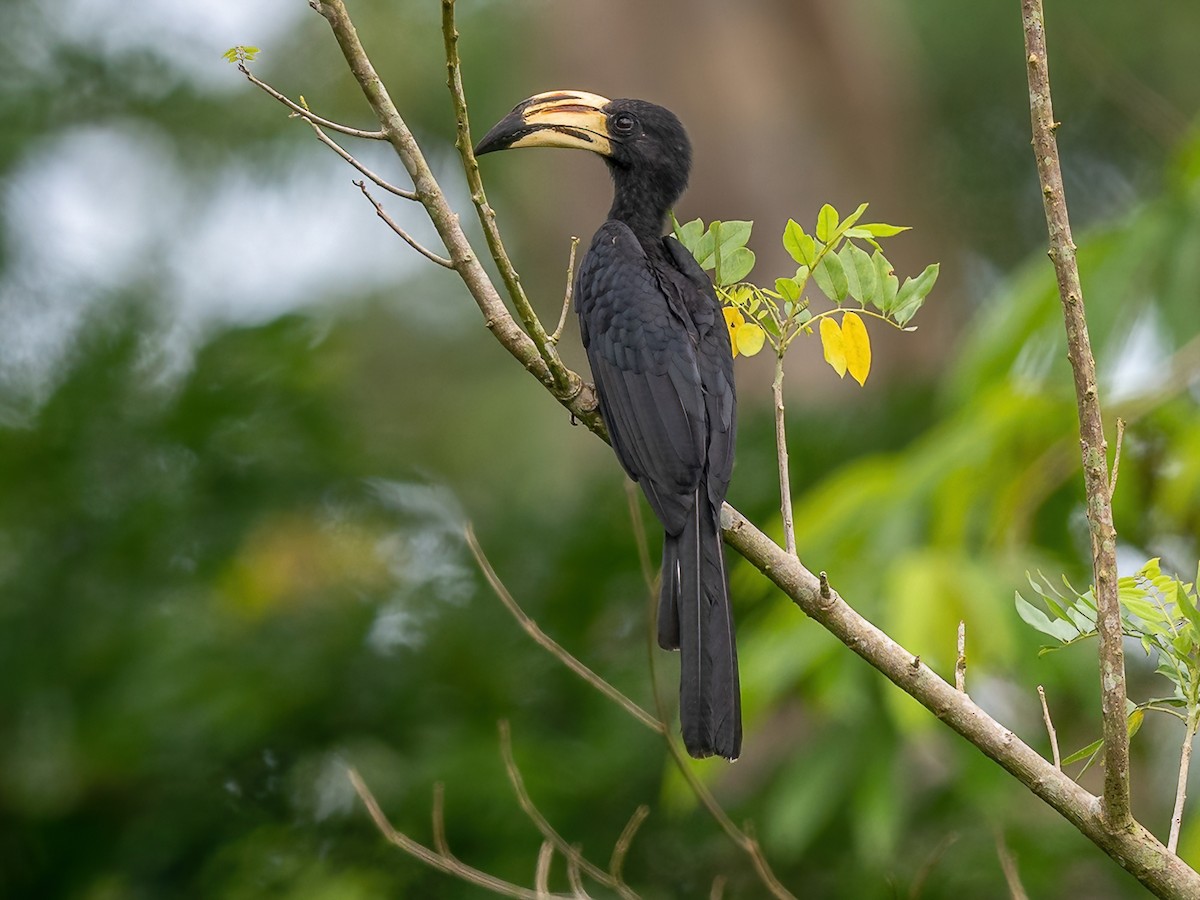
African Pied Hornbill
African Pied Hornbill
The African Pied Hornbill: Nature’s Feathered Trumpeter of the Tropics
Introduction
The African Pied Hornbill (Lophoceros fasciatus) is a captivating avian species that thrives in the lush, tropical forests of Sub-Saharan Africa. With its striking black-and-white plumage and iconic curved bill, this bird is not only a marvel of evolution but also a vital player in the ecological balance of its habitat. In this comprehensive guide, we’ll explore the biology, behavior, habitat, and conservation status of the African Pied Hornbill.
Overview and Taxonomy
The African Pied Hornbill belongs to the family Bucerotidae, a group of birds known for their prominent bills and unique nesting behavior. Scientifically named Lophoceros fasciatus, this species was previously classified under the genus Tockus, but recent taxonomic revisions have placed it in Lophoceros.
- Kingdom: Animalia
- Phylum: Chordata
- Class: Aves
- Order: Bucerotiformes
- Family: Bucerotidae
- Genus: Lophoceros
- Species: L. fasciatus
This bird is often confused with its cousin, the Black-and-white-casqued Hornbill, but the African Pied Hornbill is smaller and lacks the prominent casque.
Physical Characteristics
The African Pied Hornbill is easily recognizable thanks to its distinctive appearance. It sports a glossy black body with contrasting white underparts and a large, curved bill that is mostly yellow with a black base.
Key Features:
- Size: Approximately 45 cm (18 inches) in length
- Weight: Around 200–300 grams
- Bill: Long, curved, and slightly serrated; males have a more prominent casque
- Eyes: Deep-set with a dark iris
- Tail: Long and white-tipped
- Wings: Broad and rounded, adapted for forest flight
This bird’s bill is not just for show—it plays a crucial role in feeding, mating, and even defense.
Habitat and Distribution
The African Pied Hornbill is found across a wide range of tropical and subtropical forests in West and Central Africa. Its range extends from Guinea and Sierra Leone in the west to Uganda and western Kenya in the east.
Preferred Habitats:
- Lowland rainforests
- Secondary forests
- Forest edges
- Plantations and agroforestry systems
Unlike some hornbills that are strictly arboreal, this species is known to adapt well to fragmented habitats, making it more resilient to deforestation than other forest-dependent birds.
Diet and Foraging Behavior
The African Pied Hornbill is an omnivore with a varied diet that includes fruits, insects, and small vertebrates. Its feeding habits play a vital role in seed dispersal, making it a keystone species in forest regeneration.
Typical Diet:
- Fruits: Figs, berries, and drupes
- Insects: Beetles, caterpillars, termites
- Small animals: Lizards, frogs, and rodents
- Occasional: Bird eggs and nestlings
Foraging Techniques:
- Uses its bill to pluck fruits from trees
- Catches insects mid-air or gleans them from foliage
- Sometimes follows monkey troops to feed on disturbed insects
This behavior not only benefits the hornbill but also contributes to the biodiversity of its ecosystem.
Breeding and Nesting Habits
One of the most fascinating aspects of the African Pied Hornbill is its unique nesting behavior. The female seals herself inside a tree cavity using mud, feces, and fruit pulp, leaving only a narrow slit through which the male feeds her and the chicks.
Breeding Season:
- Varies by region but typically coincides with the rainy season
Reproductive Cycle:
- Courtship: Involves bill-touching and food offerings
- Nesting: Female enters cavity and seals it
- Incubation: Lasts about 25–30 days
- Chick Rearing: Male feeds both female and chicks
- Fledging: Chicks break out after 6–8 weeks
This behavior protects the vulnerable female and chicks from predators, a remarkable adaptation among avian species.
Vocalizations and Communication
The African Pied Hornbill is a vocal bird, often heard before it is seen. Its calls are loud, nasal, and repetitive, serving various purposes from territory defense to mate attraction.
Common Calls:
- “Kak-kak-kak”: Alarm or territorial call
- “Waa-waa”: Contact call between mates
- “Krooo-krooo”: Courtship or feeding call
These vocalizations are amplified by the bird’s casque, which acts as a resonating chamber.
Ecological Role
The African Pied Hornbill is more than just a striking bird—it’s a crucial component of its ecosystem.
Ecological Contributions:
- Seed Dispersal: Helps regenerate forests by spreading seeds far from parent trees
- Pest Control: Reduces insect populations
- Prey Base: Serves as food for larger predators like eagles and snakes
By maintaining the health of tropical forests, the hornbill indirectly supports countless other species, including humans who rely on forest resources.
Threats and Conservation Status
Despite its adaptability, the African Pied Hornbill faces several threats, primarily due to human activities.
Major Threats:
- Deforestation: Logging and agriculture reduce nesting sites
- Hunting: Hunted for meat and traditional medicine
- Pet Trade: Occasionally captured for illegal wildlife trade
Conservation Status:
According to the IUCN Red List, the African Pied Hornbill is currently listed as “Least Concern.” However, localized declines have been noted in areas with intense habitat destruction.
Conservation Efforts:
- Protected Areas: Found in several national parks and reserves
- Community Education: Promoting awareness of the bird’s ecological role
- Reforestation Projects: Restoring degraded habitats
Cultural Significance
In many African cultures, hornbills are seen as symbols of fertility, wisdom, and communication. Their loud calls and striking appearance have inspired folklore, art, and even tribal totems.
Cultural Roles:
- Totemic Symbol: Representing ancestors or deities
- Folklore: Believed to bring rain or good fortune
- Art and Music: Featured in traditional masks and instruments
These cultural connections can be leveraged to promote conservation through community-based initiatives.
How to Spot an African Pied Hornbill
Birdwatchers and eco-tourists often seek out this bird for its beauty and behavior. Here’s how to increase your chances of spotting one.
Best Locations:
- Kakum National Park, Ghana
- Kibale Forest, Uganda
- Cross River National Park, Nigeria
Tips for Observation:
- Look for movement in the canopy during early morning
- Listen for loud, nasal calls
- Use binoculars to spot their distinctive flight pattern
Frequently Asked Questions
1. What is the lifespan of the African Pied Hornbill?
In the wild, they can live up to 10–15 years, while in captivity, they may live longer due to the absence of predators and consistent food supply.
2. Are African Pied Hornbills endangered?
Currently, they are listed as “Least Concern” by the IUCN, but habitat loss and hunting are causing regional population declines.
3. What do African Pied Hornbills eat?
They are omnivores, feeding on fruits, insects, and small animals. Their diet plays a crucial role in seed dispersal and pest control.
4. Why do hornbills seal their nests?
The female seals herself in to protect against predators and parasites. The male feeds her through a small slit until the chicks are ready to fledge.
5. Can African Pied Hornbills be kept as pets?
While sometimes kept in captivity, it is not recommended due to their complex dietary and social needs. Many countries also regulate or ban their capture and trade.
Conclusion
The African Pied Hornbill is a remarkable bird that embodies the complexity and beauty of Africa’s tropical forests. From its unique nesting behavior to its role in seed dispersal, this species is a cornerstone of its ecosystem. As pressures from deforestation and hunting increase, understanding and protecting this bird becomes ever more critical.
By promoting awareness, supporting conservation efforts, and respecting the natural habitats of these birds, we can ensure that future generations will continue to hear the echoing calls of the African Pied Hornbill in the forests of Africa.