
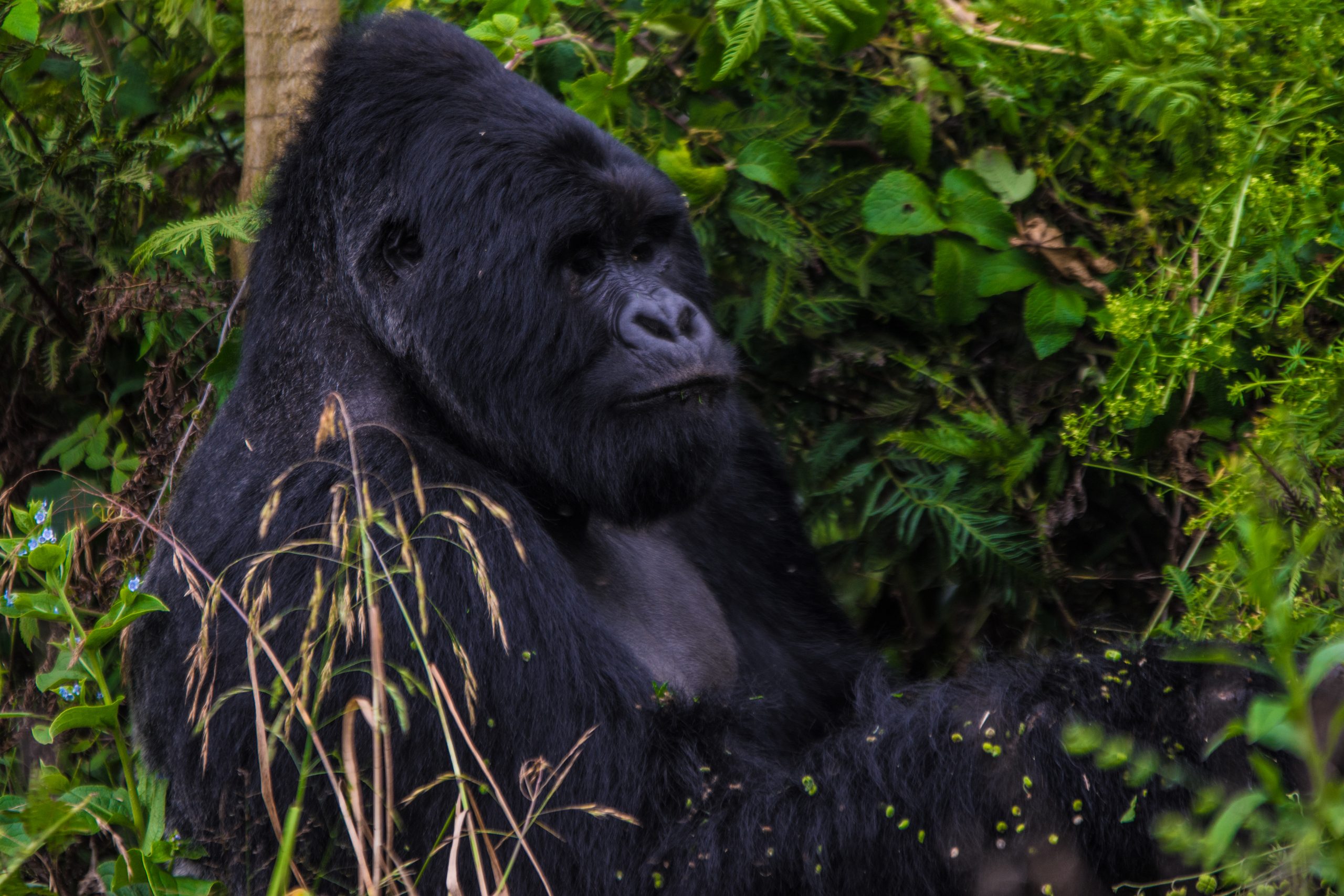
How Difficult Is Gorilla Trekking in Uganda
How Difficult Is Gorilla Trekking in Uganda
How Difficult Is Gorilla Trekking in Uganda? A Complete Guide to Fitness, Terrain, and Preparation
Gorilla trekking in Uganda is one of the most memorable wildlife experiences in Africa, but many travelers want a realistic answer before they book. Is it a gentle forest walk, a strenuous mountain hike, or something in between? The honest answer is that gorilla trekking in Uganda is moderately challenging for most visitors, yet achievable for a wide range of ages and fitness levels with the right preparation. The difficulty varies greatly from one day to the next because the gorillas move freely, the weather changes quickly, and the terrain ranges from gentle forest paths to steep, muddy slopes.
This guide explains exactly what makes Uganda gorilla trekking physically demanding, how fit you need to be, how long the trek can take, and how to choose a suitable itinerary with Turkana Wildlife Safaris Uganda.
Quick Answer: Moderate Challenge With Unpredictable Variables
Gorilla trekking in Uganda is not an extreme sport, but it is also not a casual stroll. Most travelers with a reasonable level of fitness can complete the trek. The challenge comes from four main factors: trek duration, steep terrain, altitude, and trail conditions. Some groups find gorillas within 30 to 60 minutes, while others hike for four to seven hours before returning to the trailhead. You will not know the exact difficulty until the morning of your trek, when ranger guides locate the gorilla family.
The good news is that trekking groups move at a manageable pace, ranger guides set a steady rhythm, and local porters can assist with carrying bags. Travelers who prepare physically and choose the right Uganda gorilla trekking package usually find the experience demanding but very rewarding.
What Makes Gorilla Trekking in Uganda Challenging
Trek Duration Can Range From 30 Minutes to 7 Hours
The time it takes to reach the gorillas depends on where the family spent the previous night and how far they have moved through the forest. A short trek may last less than an hour before you reach the gorillas. A longer trek can involve several hours of hiking before you spend one hour with the family and then hike back to the starting point. Total trekking time often ranges from two to six hours, with some exceptional days stretching longer.
This unpredictability is part of the adventure, but it also means you should plan for a full day in the forest rather than expecting a short walk.
Steep and Muddy Forest Terrain
Bwindi Impenetrable National Park is rightly named. The forest is dense, the trails are often narrow, and the ground can be slippery after rain. You may encounter roots, vines, fallen leaves, and steep sections that require careful footing. Mgahinga Gorilla National Park offers different terrain, including bamboo forest and volcanic slopes, and can also be physically demanding.
The terrain is one of the main reasons gorilla trekking feels harder than a normal nature walk. Even fit travelers notice the effort when climbing a steep ridge or navigating a muddy descent.
Altitude in Bwindi and Mgahinga
Bwindi sits at elevations of roughly 1,160 to 2,600 meters above sea level, while many trekking routes take place between 1,500 and 2,600 meters. Mgahinga also reaches high elevations. At these altitudes, some visitors feel breathless more quickly than they would at home, especially on uphill sections. The altitude is not extreme, but it can make a moderately steep trail feel more tiring.
Travelers arriving from lower elevations should allow a little time to adjust, drink plenty of water, and walk at a comfortable pace.
Weather and Trail Conditions
Rain is possible at any time of year in the gorilla highlands. Wet conditions make trails muddier and slower, while bright sunshine can make exposed sections feel warm. The forest can also be humid, which adds to the physical effort. Good footwear, a light rain jacket, and a walking stick or trekking pole can make a big difference.
One Hour With the Gorillas
The trek itself is only part of the day. Once you reach the gorilla family, you will spend one hour observing them. This hour may involve standing on uneven ground, moving short distances as the gorillas feed, and keeping your balance while taking photographs. It is not physically intense, but it comes after the hike and can feel tiring if the trek has been long.
Fitness Level Needed for Uganda Gorilla Trekking
You do not need to be an athlete to go gorilla trekking in Uganda. You do need to be comfortable walking on uneven ground for several hours and able to handle sustained uphill sections at a gentle pace. A reasonable baseline is the ability to walk for two to three hours on hilly terrain without becoming completely exhausted. If you exercise regularly, walk often, and can climb stairs without difficulty, you are likely to manage a standard trek.
Travelers with limited mobility or low fitness can still enjoy gorilla trekking, but they should discuss their needs in advance. Some groups are assigned to shorter routes when possible, and porters can help carry daypacks. A customized itinerary with Turkana Wildlife Safaris Uganda can include extra time, suitable lodging, and guidance on preparation.
Who Should Consider a Shorter or Easier Trek
Gorilla trekking difficulty is not fixed. Travelers who are older, recovering from injury, or simply less confident on rough ground should consider the following:
-
Choose a shorter Uganda gorilla trekking package that reduces travel days and allows more rest before the trek.
-
Request a trekking group that is likely to receive a shorter route, although this cannot be guaranteed.
-
Hire a porter to carry your bag and provide a steady hand on difficult sections.
-
Use a walking stick for balance on muddy and steep trails.
-
Start a simple fitness routine several weeks before departure, focusing on walking and stair climbing.
For a focused itinerary that includes gorilla trekking and golden monkey tracking, the 4 Days Gorilla Trekking and Golden Monkey Tracking in Uganda is a practical option. It keeps the trip short and concentrates on the primate experience.
How to Prepare Physically for Gorilla Trekking
Preparation can make the difference between a tough day and an enjoyable challenge. Start with regular walking, ideally on hills or uneven ground, in the weeks before your trip. Stair climbing, light hiking, and short cardio sessions can also help. Practice carrying a small daypack with water, snacks, and a rain jacket.
On the trek itself, keep your pace slow and steady, drink water before you feel thirsty, and tell your ranger guide if you need a break. The guides are experienced at setting a comfortable pace for the group.
What Turkana Wildlife Safaris Uganda Provides
Turkana Wildlife Safaris Uganda designs Uganda gorilla trekking packages that match different fitness levels and travel styles. A standard itinerary includes park transfers, gorilla permits, ranger guide fees, accommodation, meals, and guided support. The team can advise on how to prepare, what to pack, and which park sector may suit your needs.
For travelers who want to combine gorillas with chimpanzees and wider wildlife viewing, the 5 Days Uganda Gorilla and Chimpanzee Trekking offers a balanced introduction. If you prefer a longer safari with savannah game drives and boat cruises before the gorilla trek, consider the 8 Day Uganda Wildlife and Gorilla Trekking Safari. Travelers with more time can choose the 9 Days Uganda Wildlife Safari with Gorillas and Chimpanzee, which spreads the journey over a wider range of parks.
For permit costs, booking steps, and practical planning advice, the Turkana Wildlife Safaris Uganda guide to Gorilla Trekking in Uganda: Costs, Permits and Booking Guide is a useful next read.
Frequently Asked Questions
Is gorilla trekking in Uganda very hard?
Gorilla trekking in Uganda is moderately hard. Most reasonably fit travelers can complete it, but steep terrain, altitude, mud, and variable trek length make it more demanding than a casual forest walk.
How long does gorilla trekking take in Uganda?
The trek can take anywhere from 30 minutes to seven hours, including the hike to the gorillas and the return journey. Most travelers spend two to six hours in the forest, followed by one hour with the gorilla family.
Do I need to be very fit for gorilla trekking?
No. You do not need to be an athlete, but you should be able to walk for several hours on uneven ground and handle gentle uphill sections. Regular walking and stair climbing before the trip are helpful.
What is the altitude during gorilla trekking in Uganda?
Bwindi ranges from about 1,160 to 2,600 meters above sea level, and many trekking routes are between 1,500 and 2,600 meters. Mgahinga also reaches high elevations. The altitude can make uphill sections feel more tiring.
Can older travelers go gorilla trekking in Uganda?
Yes. Many older travelers complete gorilla treks successfully. Hiring a porter, using a walking stick, taking a slow pace, and choosing a shorter itinerary can make the experience more comfortable.
What should I wear for gorilla trekking?
Wear sturdy closed shoes with good grip, long trousers, and layers. Bring a light rain jacket, gardening gloves for grabbing vegetation, a hat, sunscreen, insect repellent, and a small daypack. Avoid bright colors and choose neutral clothing.
Are porters available for gorilla trekking?
Yes. Local porters are usually available at the trailhead to carry bags and assist on difficult sections. Hiring a porter is a practical way to reduce the physical load and support the local community.
What is the best time to go gorilla trekking in Uganda?
Gorilla trekking is possible throughout the year. The drier months are often preferred because trails are less muddy, but the forest is lush and beautiful in the wetter months. Travelers should be prepared for rain at any time.
How far in advance should I book a Uganda gorilla trekking package?
Gorilla permits are limited, so booking several months in advance is wise, especially during popular travel periods. A reputable operator such as Turkana Wildlife Safaris Uganda can help secure permits and build a suitable itinerary.
Conclusion
How difficult gorilla trekking in Uganda feels depends on your fitness, the weather, the terrain, and how far the gorillas have moved. For most travelers, it is a moderate challenge that is well within reach with basic preparation. The trek can be short and gentle or long and steep, but the reward of spending an hour with a mountain gorilla family makes the effort worthwhile.
If you want a realistic, well organized gorilla trekking experience, Turkana Wildlife Safaris Uganda offers packages for different fitness levels and travel schedules. Start with a focused primate itinerary, add extra wildlife viewing if time allows, and prepare with regular walks before you travel. With the right approach, gorilla trekking in Uganda is challenging in the best possible way: demanding enough to feel like an adventure and accessible enough for most travelers to enjoy.