
Mabira Adventures
Mabira Adventures
Mabira Adventures: Exploring Uganda’s Enchanting Rainforest
Introduction to Mabira Forest
Nestled in the heart of Uganda, Mabira Forest is a sprawling tropical rainforest that offers a haven for nature enthusiasts, adventurers, and eco-tourists alike. Located just 54 kilometers from Kampala, Uganda’s bustling capital, and a short drive from Jinja, the source of the Nile, this lush forest is a treasure trove of biodiversity, cultural heritage, and thrilling activities. Spanning over 300 square kilometers, Mabira is one of Uganda’s largest surviving rainforests, making it a must-visit destination for anyone seeking a blend of adventure and tranquility.
In this article, we’ll dive deep into the wonders of Mabira Forest, exploring its rich biodiversity, thrilling activities, cultural significance, and practical tips for planning your adventure. Whether you’re a hiker, birdwatcher, or simply someone looking to reconnect with nature, Mabira Forest has something for everyone.
The Biodiversity of Mabira Forest
Mabira Forest is a biodiversity hotspot, home to an incredible variety of flora and fauna. Its dense canopy and unique ecosystem support hundreds of species, many of which are endemic to the region. Here’s a closer look at what makes Mabira’s biodiversity so remarkable:
Flora
- Over 200 tree species: Mabira Forest boasts a rich variety of trees, including the iconic mahogany, fig trees, and medicinal plants used by local communities.
- Medicinal plants: The forest is a natural pharmacy, with plants like Prunus Africana and Warburgia Ugandensis used in traditional medicine.
- Orchids and ferns: Mabira is also home to a stunning array of orchids and ferns, adding to its lush beauty.
Fauna
- Primates: Mabira is home to several primate species, including the red-tailed monkey, vervet monkey, and the rare mangabey monkey, which is endemic to the region.
- Birdlife: With over 300 bird species, Mabira is a paradise for birdwatchers. Look out for the Great Blue Turaco, Nahan’s Francolin, and the African Grey Parrot.
- Butterflies: The forest is teeming with over 200 species of butterflies, making it a vibrant and colorful destination.
- Mammals and reptiles: Other wildlife includes duikers, bush pigs, and a variety of snakes and lizards.
Thrilling Activities in Mabira Forest
Mabira Forest offers a wide range of activities that cater to adventurers and nature lovers alike. Here are some of the top experiences you can enjoy:
1. Hiking and Nature Walks
- Explore over 68 kilometers of well-maintained trails that wind through the forest.
- Popular trails include the Griffin Falls Trail, which leads to a stunning waterfall, and the Butterfly Trail, perfect for spotting colorful butterflies.
- Guided nature walks are available, offering insights into the forest’s ecology and history.
2. Birdwatching
- Mabira is a birdwatcher’s paradise, with opportunities to spot rare and endemic species.
- Bring your binoculars and a bird guide to make the most of your experience.
- Key birding spots include the forest edges and swampy areas.
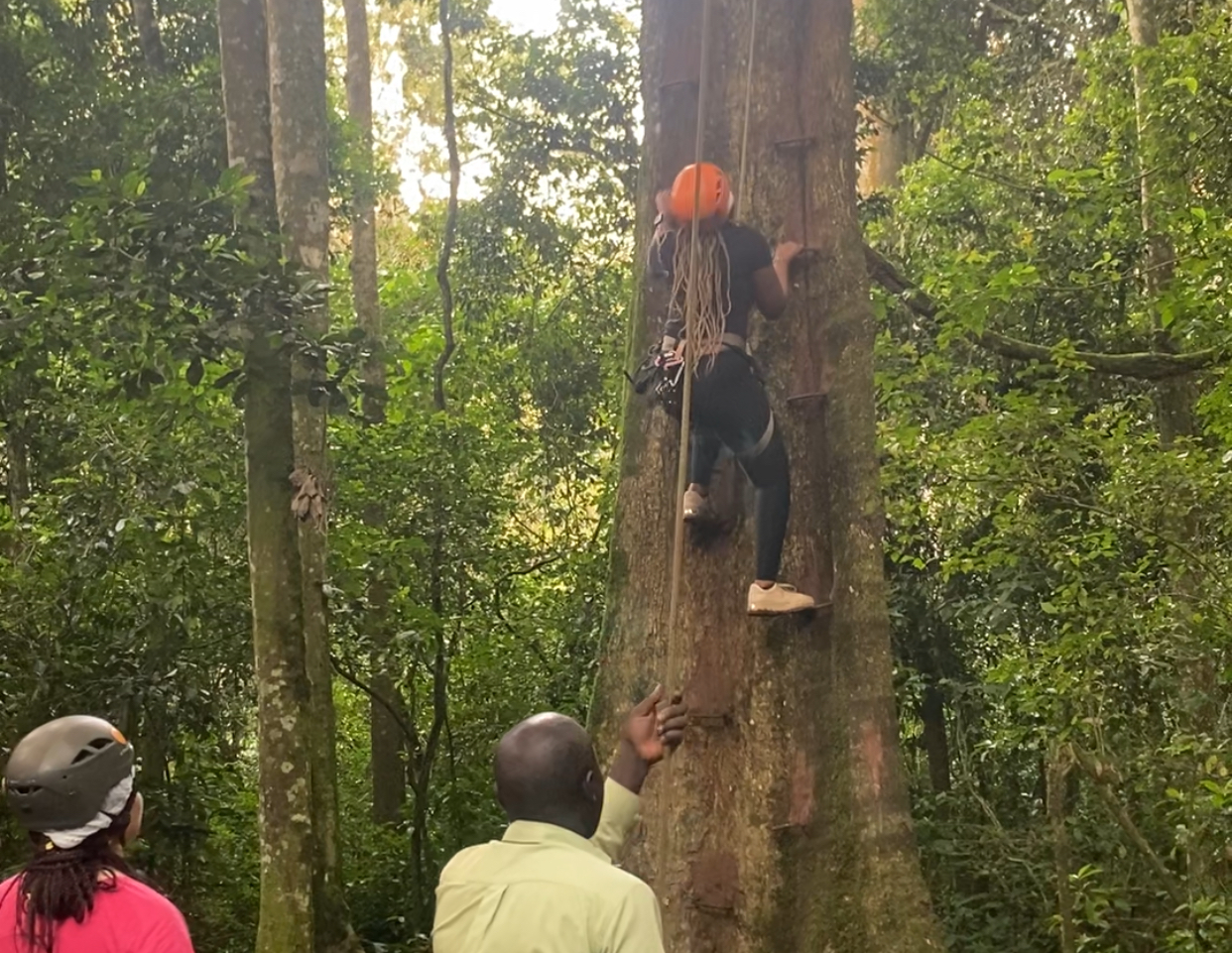
3. Zip-lining
- For adrenaline junkies, the Mabira Forest Canopy Super Skyway offers a thrilling zip-lining experience.
- Glide through the treetops and enjoy breathtaking views of the forest canopy.
4. Mountain Biking
- Rent a bike and explore the forest on two wheels.
- The trails range from easy to challenging, catering to all skill levels.
5. Cultural Encounters
- Visit nearby villages to learn about the traditions and lifestyles of the Baganda people.
- Participate in activities like traditional cooking, basket weaving, and storytelling sessions.
Cultural and Historical Significance of Mabira Forest
Mabira Forest is not just a natural wonder; it’s also deeply rooted in the cultural and historical fabric of Uganda. For centuries, the forest has been a source of livelihood, medicine, and spiritual significance for local communities.
Spiritual Importance
- The forest is considered sacred by the Baganda people, who believe it is home to ancestral spirits.
- Traditional rituals and ceremonies are still conducted in certain parts of the forest.
Conservation Efforts
- Mabira Forest has faced threats from deforestation and industrialization, but conservation efforts have helped preserve its unique ecosystem.
- Organizations like the National Forestry Authority (NFA) and local NGOs are actively involved in protecting the forest.
Practical Tips for Visiting Mabira Forest
Planning a trip to Mabira Forest? Here are some practical tips to make your adventure smooth and enjoyable:
Getting There
- Location: Mabira Forest is located along the Kampala-Jinja highway, making it easily accessible by road.
- Transport options: You can hire a private car, take a taxi, or use public transport to reach the forest.
Best Time to Visit
- The forest is open year-round, but the best time to visit is during the dry seasons (December to February and June to August) for easier navigation of trails.
Accommodation
- Stay at the Mabira Rainforest Lodge, an eco-friendly lodge located within the forest.
- Other options include camping sites and budget-friendly guesthouses in nearby towns.
What to Pack
- Comfortable hiking shoes
- Lightweight, breathable clothing
- Insect repellent and sunscreen
- Binoculars and a camera for wildlife spotting
- A reusable water bottle to stay hydrated
FAQs About Mabira Adventures
1. What is the best way to explore Mabira Forest?
The best way to explore Mabira Forest is through guided nature walks or hiking trails. These offer an immersive experience and insights into the forest’s biodiversity.
2. Are there any safety concerns in Mabira Forest?
Mabira Forest is generally safe for visitors. However, it’s advisable to stick to designated trails and follow the guidance of local guides.
3. Can I visit Mabira Forest on a day trip?
Yes, Mabira Forest is perfect for a day trip, especially if you’re traveling from Kampala or Jinja. However, staying overnight allows you to fully experience the forest’s beauty.
4. Is Mabira Forest suitable for families with children?
Absolutely! Activities like nature walks, birdwatching, and zip-lining are family-friendly and suitable for children.
5. How can I support conservation efforts in Mabira Forest?
You can support conservation by visiting responsibly, avoiding littering, and contributing to local initiatives that protect the forest.
Conclusion
Mabira Forest is a gem in Uganda’s natural landscape, offering a unique blend of adventure, biodiversity, and cultural heritage. Whether you’re zip-lining through the treetops, spotting rare birds, or simply soaking in the tranquility of the rainforest, Mabira promises an unforgettable experience. Plan your visit today and discover the magic of this enchanting rainforest.