
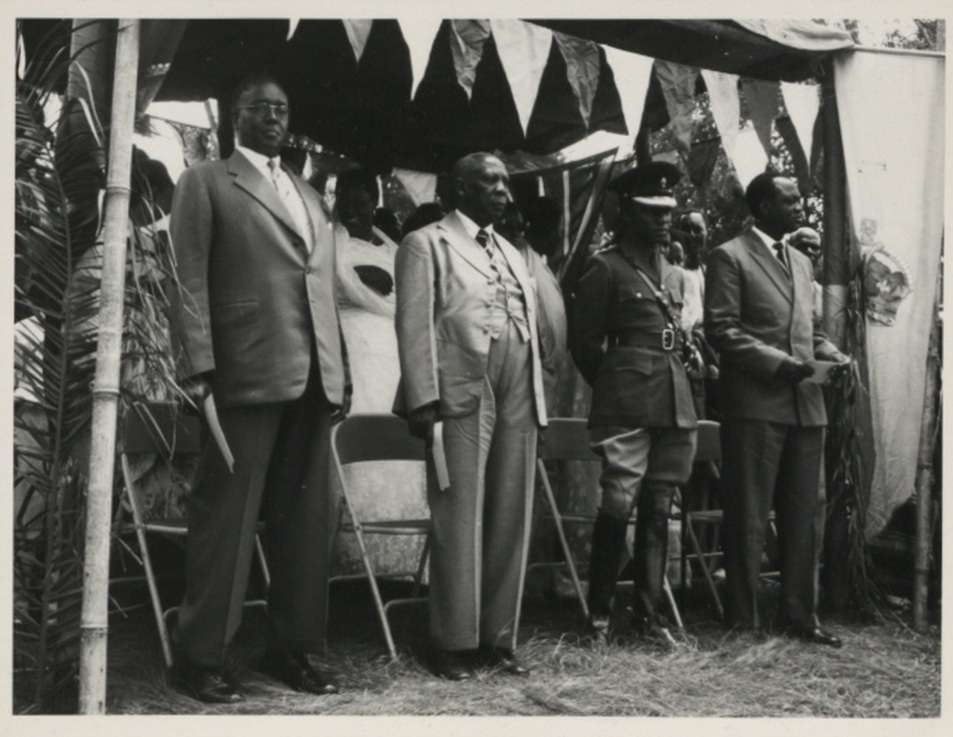
Omugabe of Ankole
Omugabe of Ankole
The Omugabe of Ankole: A Historical and Cultural Exploration
Introduction
The Omugabe of Ankole represents a significant figure in the history and culture of the Ankole kingdom, a region located in present-day Uganda. This article delves into the intricate history, cultural significance, and the evolving role of the Omugabe in Ankole society. Through a comprehensive exploration, we aim to provide a nuanced understanding of this regal title and its enduring legacy.
Historical Background
The Origins of Ankole
Ankole, historically known as Nkore, is a kingdom in southwestern Uganda. It is one of the traditional kingdoms in the country, with a rich history that dates back several centuries. The kingdom is predominantly inhabited by the Banyankole people, who are known for their pastoral lifestyle and vibrant cultural practices.
The Emergence of the Omugabe
The title “Omugabe” is derived from the Runyankole language, meaning “king” or “ruler.” The Omugabe was the paramount leader of the Ankole kingdom, wielding both political and spiritual authority. The role of the Omugabe was not only to govern but also to serve as a custodian of cultural traditions and a symbol of unity among the Banyankole people.
The Role and Responsibilities of the Omugabe
Political Leadership
The Omugabe was the supreme political leader of Ankole, responsible for maintaining law and order, overseeing governance, and ensuring the welfare of the kingdom’s subjects. The Omugabe’s court was the center of political power, where decisions affecting the kingdom were made and implemented.
Cultural Custodian
As a cultural custodian, the Omugabe played a pivotal role in preserving and promoting the cultural heritage of the Banyankole people. This included overseeing traditional ceremonies, rituals, and festivals that were integral to the kingdom’s identity.
Spiritual Authority
The Omugabe was also regarded as a spiritual leader, believed to possess divine attributes that connected the earthly realm with the spiritual world. This spiritual authority was essential in legitimizing the Omugabe’s rule and maintaining the kingdom’s cohesion.
The Decline and Resurgence of the Omugabe
Colonial Impact
The advent of colonialism in the late 19th and early 20th centuries significantly altered the political landscape of Ankole. The British colonial administration imposed new governance structures, which diminished the traditional authority of the Omugabe. Despite these changes, the Omugabe remained a symbolic figurehead, representing the cultural identity of the Banyankole people.
Post-Independence Era
Following Uganda’s independence in 1962, the role of the Omugabe continued to evolve. The abolition of traditional kingdoms in 1967 by the Ugandan government marked a significant turning point, as the Omugabe’s official powers were dissolved. However, the cultural significance of the Omugabe persisted, with efforts to revive and celebrate the kingdom’s heritage in subsequent years.
The Cultural Significance of the Omugabe Today
Preservation of Traditions
In contemporary Ankole, the Omugabe remains a revered figure, embodying the kingdom’s rich cultural traditions. Efforts to preserve and promote Ankole’s heritage have gained momentum, with cultural festivals and events celebrating the kingdom’s history and customs.
Symbol of Unity
The Omugabe continues to serve as a symbol of unity among the Banyankole people, fostering a sense of pride and identity. The revival of traditional practices and the recognition of the Omugabe’s cultural role have contributed to strengthening community bonds.
Conclusion
The Omugabe of Ankole is a testament to the enduring legacy of traditional leadership and cultural heritage in Uganda. Despite historical challenges and transformations, the Omugabe remains a symbol of Ankole’s rich history and cultural identity. As efforts to preserve and celebrate this heritage continue, the Omugabe’s role as a cultural custodian and unifying figure will undoubtedly endure.
FAQ
What is the significance of the Omugabe in Ankole culture?
The Omugabe holds a central role in Ankole culture as a political leader, cultural custodian, and spiritual authority. The Omugabe’s significance lies in preserving the kingdom’s traditions, fostering unity, and serving as a symbol of Ankole’s rich heritage.
How did colonialism impact the role of the Omugabe?
Colonialism imposed new governance structures that diminished the traditional authority of the Omugabe. Despite these changes, the Omugabe remained a symbolic figurehead, representing the cultural identity of the Banyankole people.
What efforts are being made to preserve Ankole’s cultural heritage?
Efforts to preserve Ankole’s cultural heritage include organizing cultural festivals, promoting traditional practices, and recognizing the Omugabe’s role as a cultural custodian. These initiatives aim to celebrate and sustain Ankole’s rich history and customs.
How has the role of the Omugabe evolved in the post-independence era?
In the post-independence era, the Omugabe’s official powers were dissolved, but the cultural significance of the Omugabe persisted. Efforts to revive and celebrate Ankole’s heritage have contributed to the Omugabe’s continued role as a cultural symbol and unifying figure.
What is the future of the Omugabe in Ankole society?
The future of the Omugabe in Ankole society lies in the continued preservation and celebration of the kingdom’s cultural heritage. As efforts to promote Ankole’s traditions gain momentum, the Omugabe’s role as a cultural custodian and symbol of unity will likely endure.