
Rwenzori Hiking Packing List
Rwenzori Hiking Packing List
Rwenzori Hiking Packing List: The Ultimate Guide for a Successful Mountain Adventure with Turkana Wildlife Safaris Uganda
The majestic Rwenzori Mountains National Park is one of Africa’s most breathtaking trekking destinations. Commonly known as the “Mountains of the Moon,” the Rwenzori Mountains offer spectacular glaciers, alpine meadows, giant lobelias, waterfalls, and challenging hiking trails that attract adventurers from across the globe.
Whether you’re planning a 3-day trekking experience or a multi-day summit expedition to Margherita Peak, carrying the right gear is essential for safety, comfort, and a successful journey.
At Turkana Wildlife Safaris Uganda, we provide professionally guided Rwenzori hiking expeditions, ensuring every traveler enjoys a memorable and safe mountain adventure. This comprehensive packing guide will help you prepare for your trek.
Why Proper Packing Matters for Rwenzori Hiking
The Rwenzori Mountains experience unpredictable weather. You may encounter:
- Heavy rainfall
- Freezing temperatures
- Strong sunshine
- Muddy trails
- Rocky terrain
- Snow and glaciers at higher elevations
Packing correctly helps you stay warm, dry, comfortable, and prepared throughout your expedition.
Complete Rwenzori Hiking Packing List
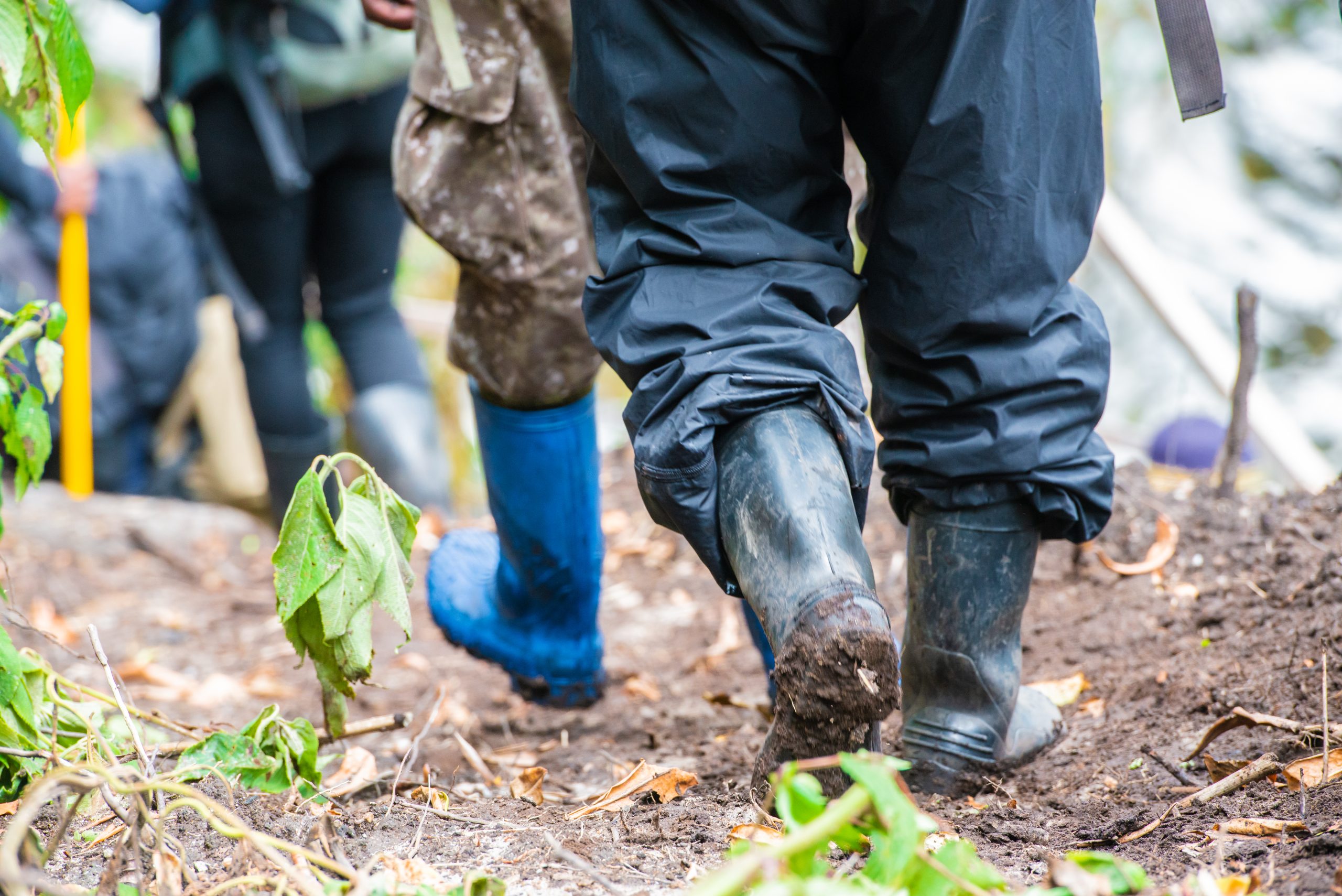
1. Hiking Boots
Your hiking boots are your most important piece of equipment.
Choose boots that are:
- Waterproof
- High ankle support
- Comfortable
- Well broken-in
- Strong grip for muddy terrain
Avoid using brand-new boots during your expedition.
2. Waterproof Jacket
The Rwenzori Mountains receive rainfall throughout the year.
A quality waterproof jacket should be:
- Lightweight
- Breathable
- Windproof
- Hooded
3. Waterproof Hiking Pants
Quick-drying hiking trousers perform much better than jeans.
Pack:
- Two hiking trousers
- Waterproof outer shell
Avoid cotton clothing because it absorbs moisture.
4. Base Layers
Thermal base layers keep your body warm.
Bring:
- 2–3 thermal tops
- 2 thermal leggings
Merino wool is highly recommended.
5. Fleece Jacket
A warm fleece provides insulation during cold mornings and evenings.
6. Down Jacket
If you’re trekking above 4,000 meters, a down jacket is highly recommended.
Temperatures often fall below freezing during summit attempts.
7. Hiking Socks
Pack several pairs of moisture-wicking hiking socks.
Recommended:
- 4–6 hiking socks
- Avoid cotton socks
8. Gloves
Carry:
- Waterproof gloves
- Warm fleece gloves
Cold hands reduce comfort during climbing.
9. Warm Hat
A thermal beanie helps conserve body heat during chilly evenings.
10. Sun Hat
The African sun can be surprisingly intense, even at high altitudes.
A wide-brim hat provides excellent protection.
11. Sunglasses
UV exposure increases with altitude.
Choose sunglasses offering:
- UV400 protection
- Polarized lenses
12. Backpack
Recommended size:
- 30–40 liters for your daily essentials
Porters usually carry your larger duffel bag.
13. Waterproof Backpack Cover
Frequent rainfall makes a rain cover essential.
14. Dry Bags
Protect electronics and clothing using waterproof dry bags.
Ideal for:
- Camera
- Passport
- Clothing
- Phone
- Power bank
15. Trekking Poles
Highly recommended for:
- Steep climbs
- Muddy trails
- River crossings
- Descents
They greatly reduce pressure on your knees.
16. Headlamp
Bring a quality LED headlamp with extra batteries.
Useful for:
- Early summit hikes
- Camp activities
- Emergencies
17. Water Bottles or Hydration Bladder
Carry at least:
- 2–3 liters of water capacity
Hydration is essential at altitude.
18. Water Purification Tablets
Useful as an emergency backup during longer expeditions.
19. Personal First Aid Kit
Include:
- Painkillers
- Bandages
- Blister treatment
- Antiseptic wipes
- Personal medications
- Motion sickness tablets
20. Sunscreen
Use SPF 50+ sunscreen.
Apply regularly during hiking.
21. Lip Balm
Cold mountain air causes dry lips.
Choose one with UV protection.
22. Insect Repellent
Useful in lower elevations where mosquitoes may be present.
23. Snacks
Energy-rich snacks include:
- Chocolate
- Energy bars
- Nuts
- Dried fruits
24. Camera
The Rwenzori Mountains offer incredible photography opportunities.
Don’t forget:
- Extra memory cards
- Spare batteries
25. Power Bank
Electricity is unavailable on the mountain.
A high-capacity power bank is highly recommended.
26. Passport and Travel Documents
Keep these inside a waterproof pouch.
27. Cash
Carry small amounts for:
- Tips
- Souvenirs
- Local purchases
Optional Packing Items
Depending on your preferences, consider bringing:
- Binoculars
- Notebook
- Lightweight book
- Compression bags
- Gaiters
- Camp shoes
- Travel towel
What Not to Pack
Avoid bringing:
- Heavy suitcases
- Jeans
- Cotton hoodies
- High-heeled shoes
- Large laptops
- Excess jewelry
- Unnecessary electronics
Pack only what you truly need.
Best Time to Hike the Rwenzori Mountains
The best months for trekking are:
- January to February
- June to August
- December
These periods generally experience lower rainfall, making hiking conditions more favorable.
Why Choose Turkana Wildlife Safaris Uganda?
Turkana Wildlife Safaris Uganda specializes in unforgettable trekking and wildlife adventures throughout Uganda and East Africa.
Our services include:
- Professional mountain guides
- Customized Rwenzori trekking packages
- Gorilla trekking safaris
- Wildlife game drives
- Bird watching tours
- Cultural experiences
- Airport transfers
- Luxury, mid-range, and budget safari options
We prioritize safety, exceptional customer service, and sustainable tourism to ensure every traveler enjoys an authentic African adventure.
Frequently Asked Questions (FAQs)
1. How difficult is hiking the Rwenzori Mountains?
The trek is considered challenging due to steep ascents, muddy trails, high altitude, and changing weather. Good physical fitness is recommended.
2. Do I need previous hiking experience?
Previous hiking experience is helpful but not mandatory for shorter treks. Summit expeditions are better suited to experienced hikers.
3. Can I rent hiking equipment in Uganda?
Yes. Many essential items, including boots, jackets, sleeping bags, trekking poles, and gaiters, can be rented before your trek.
4. What is the highest point in the Rwenzori Mountains?
The highest point is Margherita Peak at 5,109 meters (16,762 feet), located on Mount Stanley.
5. How many days does the trek take?
Treks range from 2-day nature walks to 8-day summit expeditions, depending on your chosen route and objectives.
6. Is altitude sickness common?
Some hikers experience mild altitude sickness. Proper acclimatization, hydration, and a gradual ascent help reduce the risk.
7. Are porters available?
Yes. Hiring porters is highly recommended to carry heavy luggage, allowing you to hike more comfortably while supporting local livelihoods.
8. What wildlife can I see during the trek?
You may encounter primates, colorful birds, chameleons, forest elephants, giant lobelias, unique alpine vegetation, and other endemic species.
9. Is travel insurance necessary?
Yes. Comprehensive travel insurance that covers trekking and emergency evacuation is strongly recommended.
10. Can I combine Rwenzori hiking with a wildlife safari?
Absolutely. Many travelers combine their mountain adventure with game drives in Queen Elizabeth National Park, gorilla trekking in Bwindi Impenetrable National Park, chimpanzee tracking, or a visit to Murchison Falls National Park for a complete Ugandan safari experience.
Conclusion
Packing appropriately is one of the most important steps in preparing for a successful Rwenzori hiking adventure. From waterproof clothing and sturdy hiking boots to warm layers and essential safety equipment, every item contributes to a safer and more enjoyable journey through Uganda’s legendary Mountains of the Moon.
With Turkana Wildlife Safaris Uganda, you’ll benefit from experienced guides, carefully planned itineraries, and personalized support from arrival to departure. Whether your goal is reaching Margherita Peak, exploring the lower mountain trails, or combining your trek with an unforgettable wildlife safari, we are committed to delivering an exceptional East African adventure.
Start planning your Rwenzori expedition today and discover why the Mountains of the Moon remain one of Africa’s most rewarding trekking destinations.