
Uganda Weather and Climate
Uganda Weather and Climate
Uganda Weather and Climate: The Complete Guide for Travelers
Uganda, famously known as the Pearl of Africa, enjoys a pleasant tropical climate throughout the year, making it one of Africa’s best all-season travel destinations. Thanks to its location along the Equator and its relatively high altitude, Uganda experiences warm days, cool evenings in many regions, and moderate temperatures that are ideal for wildlife safaris, gorilla trekking, hiking, birdwatching, and cultural tours.
Whether you are planning to explore the vast savannahs of northern Uganda, trek endangered mountain gorillas in Bwindi, climb the Rwenzori Mountains, or enjoy a boat cruise on the Nile, understanding Uganda’s weather and climate will help you plan the perfect safari.
Overview of Uganda’s Climate
Although Uganda lies on the Equator, it does not experience extreme heat. Elevation plays a significant role in keeping temperatures comfortable throughout the country.
Average temperatures include:
- Daytime: 24°C–30°C (75°F–86°F)
- Nighttime: 16°C–20°C (61°F–68°F) in many regions
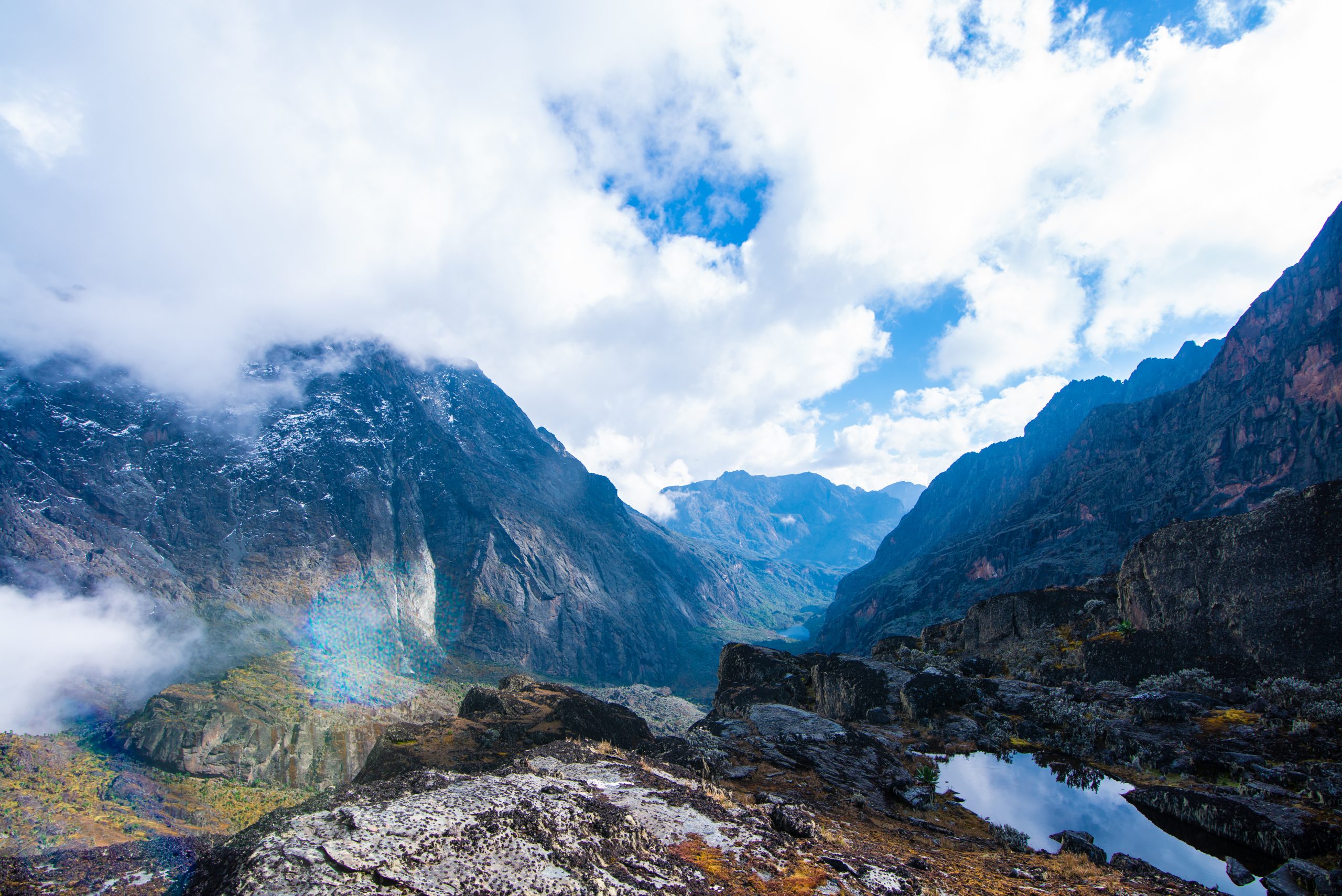
- Mountain areas such as the Rwenzori Mountains can experience temperatures close to freezing at higher elevations.
Instead of four traditional seasons, Uganda has two dry seasons and two rainy seasons. These seasonal patterns make it possible to visit the country year-round, although certain months are better suited for specific activities.
Uganda’s Dry Seasons
December to February
This is one of the most popular travel periods.
During these months visitors enjoy:
- Sunny weather
- Excellent road conditions
- Easier gorilla trekking
- Outstanding wildlife viewing
- Comfortable hiking conditions
Animals gather around rivers and waterholes, making game viewing easier in national parks.
June to August
This is considered the peak safari season in Uganda.
Advantages include:
- Less rainfall
- Better visibility for photography
- Dry hiking trails
- Comfortable temperatures
- Ideal conditions for mountain climbing
Most travelers choose these months for gorilla trekking and wildlife safaris.
Uganda’s Rainy Seasons
March to May
The long rainy season transforms Uganda into a lush green paradise.
Although some roads become muddy, there are many benefits:
- Beautiful landscapes
- Excellent birdwatching
- Lower accommodation prices
- Fewer tourists
- Great photography opportunities
September to November
The short rainy season also offers wonderful experiences, especially for bird enthusiasts and travelers looking for quieter parks.
Rain showers often occur in the afternoon, while mornings remain suitable for game drives and excursions.
Weather by Region
Southwestern Uganda
This region includes Bwindi Impenetrable Forest, Mgahinga Gorilla National Park, Lake Bunyonyi, and the Rwenzori Mountains.
Climate characteristics:
- Cooler temperatures
- Frequent rainfall
- Misty mountain mornings
- Comfortable daytime weather
Ideal for:
- Gorilla trekking
- Golden monkey tracking
- Mountain hiking
Western Uganda
Home to Queen Elizabeth National Park, Kibale Forest, and Semuliki National Park.
Expect:
- Warm temperatures
- Moderate rainfall
- Excellent year-round wildlife viewing
Northern Uganda
Including Kidepo Valley National Park and Murchison Falls National Park.
Features:
- Hotter temperatures
- Longer dry seasons
- Lower rainfall
- Outstanding wildlife viewing during dry months
Eastern Uganda
Home to Mount Elgon, Sipi Falls, and Jinja.
Expect:
- Pleasant temperatures
- Seasonal rainfall
- Ideal weather for hiking and adventure sports.
Best Time for Different Activities
Gorilla Trekking
Best months:
- January
- February
- June
- July
- August
- December
Dry trails make hiking easier and improve visibility.
Wildlife Safaris
Ideal months:
- June to August
- December to February
Animals gather near permanent water sources, making sightings more frequent.
Birdwatching
Best months:
- March to May
- September to November
Migratory birds join Uganda’s resident species, creating exceptional birding opportunities.
Mountain Hiking
Best time:
- January to February
- June to August
These months provide the safest and driest trail conditions.
What to Pack for Uganda’s Weather
Regardless of when you travel, pack:
- Lightweight clothing
- Waterproof rain jacket
- Hiking boots
- Warm fleece for evenings
- Hat and sunglasses
- Sunscreen
- Insect repellent
- Reusable water bottle
- Camera with waterproof protection
If trekking in mountainous regions, include gloves and thermal layers.
Why Weather Shouldn’t Stop You Visiting Uganda
One of Uganda’s greatest advantages is that it remains a year-round destination. Even during rainy months, showers are often brief, leaving plenty of time for outdoor activities. The green season also brings dramatic landscapes, fewer crowds, and attractive accommodation rates, making it an excellent choice for budget conscious travelers.
Explore Uganda with Turkana Wildlife Safaris Uganda
At Turkana Wildlife Safaris Uganda, we design unforgettable journeys throughout Uganda regardless of the season. Our experienced guides monitor local weather conditions to ensure every itinerary maximizes wildlife sightings, trekking comfort, and scenic experiences.
Whether you’re dreaming of mountain gorillas, thrilling game drives, birdwatching adventures, cultural encounters, or hiking expeditions, we tailor your safari to match the best weather conditions during your visit.
Our safari packages include:
- Gorilla Trekking Safaris
- Wildlife Safaris
- Chimpanzee Tracking
- Birdwatching Tours
- Rwenzori Mountain Hiking
- Mount Elgon Hiking
- Cultural Experiences
- Luxury, Mid-range, and Budget Safaris
- Customized Uganda Safari Holidays
With Turkana Wildlife Safaris Uganda, every season offers a unique opportunity to discover the incredible beauty of the Pearl of Africa.
Frequently Asked Questions (FAQs)
Is Uganda hot throughout the year?
No. Uganda enjoys a moderate tropical climate with average daytime temperatures between 24°C and 30°C, while higher elevations remain pleasantly cool.
What is the best time to visit Uganda?
The best months are June to August and December to February for gorilla trekking, wildlife safaris, and hiking due to drier conditions.
Does it rain every day during the rainy season?
Not usually. Rain often falls in short afternoon showers, with mornings remaining suitable for outdoor activities.
Can I go gorilla trekking during the rainy season?
Yes. Gorilla trekking operates year-round. Trails may be muddier during rainy months, but sightings are excellent throughout the year.
Which month is best for wildlife viewing?
July and August are among the best months because vegetation is thinner and animals congregate around water sources.
Is Uganda good for birdwatching?
Absolutely. Uganda has over 1,000 recorded bird species, and the rainy seasons are especially rewarding for birdwatchers.
What clothes should I pack?
Bring lightweight clothing, hiking boots, a waterproof jacket, warm layers for evenings and mountains, sunscreen, insect repellent, and a hat.
Does weather vary across Uganda?
Yes. Mountainous regions are cooler and wetter, while northern Uganda is generally hotter and drier than the southwest.
Conclusion
Uganda’s favorable climate makes it one of Africa’s most versatile travel destinations. With two dry seasons ideal for safaris and trekking, and two rainy seasons that bring lush scenery and exceptional birdlife, every time of year offers a memorable experience. By understanding the country’s weather patterns, you can choose the season that best matches your travel goals.
Whether you seek unforgettable gorilla encounters, spectacular wildlife safaris, mountain adventures, or cultural discoveries, Turkana Wildlife Safaris Uganda is ready to help you experience Uganda at its finest. Our expert team creates personalized itineraries that take advantage of the best seasonal conditions, ensuring an extraordinary journey through the Pearl of Africa.