
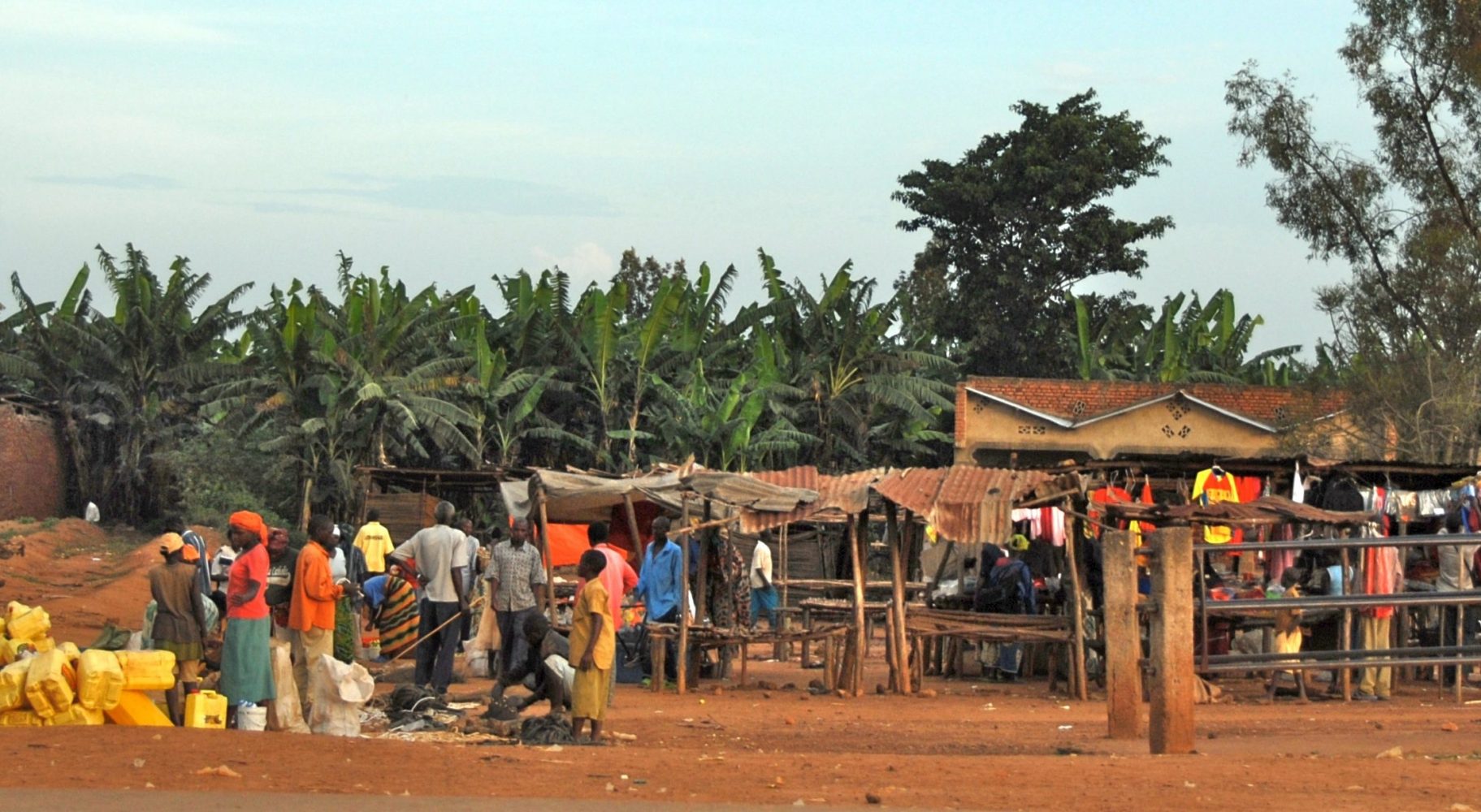
Rwanda’s Social Structure
Rwanda’s Social Structure
Rwanda’s Social Structure: A Deep Dive into Its Historical and Contemporary Dynamics
Introduction
Rwanda, often referred to as the “Land of a Thousand Hills,” is not only famous for its breathtaking landscapes but also for its complex and evolving social structure. Understanding Rwanda’s societal organization requires a journey through its history, colonial influences, post-genocide reconstruction, and modern-day transformations. This article will explore the intricate layers of Rwanda’s social hierarchy, its evolution, and its impact on contemporary Rwandan society.
Historical Overview of Rwanda’s Social Structure
Pre-Colonial Rwanda: A Stratified Society
Before colonial intervention, Rwanda had a highly organized and hierarchical society. The social structure was primarily divided into three main groups:
- Tutsi: Traditionally associated with cattle herding and aristocracy.
- Hutu: Primarily agriculturalists, forming the majority of the population.
- Twa: A marginalized group, often hunters and potters.
This division was not initially rigid or based solely on ethnicity but was more fluid, with social mobility possible through wealth accumulation, particularly cattle ownership.
Colonial Impact: Institutionalizing Divisions
The arrival of German and later Belgian colonizers dramatically altered Rwanda’s social fabric. The Belgians, in particular, institutionalized ethnic divisions by:
- Introducing identity cards specifying ethnicity.
- Favoring the Tutsi minority for administrative roles.
- Deepening socio-economic disparities.
This manipulation sowed seeds of discord that would have devastating consequences in the decades to follow.
Post-Independence and the 1994 Genocide
The Shift in Power
After gaining independence in 1962, Rwanda saw a significant shift in power:
- Hutu elites rose to political dominance.
- Tutsi populations faced discrimination and periodic violence.
- Waves of Tutsi refugees fled to neighboring countries.
The Genocide and Its Aftermath
The 1994 Rwandan Genocide was a horrific culmination of long-standing tensions, resulting in the deaths of an estimated 800,000 Tutsis and moderate Hutus. The genocide profoundly disrupted Rwanda’s social structure, leading to:
- Massive population displacements.
- A shattered trust among communities.
- A pressing need for national reconciliation and rebuilding.
Modern Rwanda: Rebuilding a Unified Society
Government Policies for Social Cohesion
Post-genocide, the Rwandan government, led by the Rwandan Patriotic Front (RPF), implemented several measures to foster unity:
- Abolition of ethnic identity in official documents.
- Promotion of “Ndi Umunyarwanda” (“I am Rwandan”) as a national identity.
- Gacaca courts for community-based justice and reconciliation.
These initiatives aimed to dismantle the divisive social categories entrenched during colonial rule.
Economic and Social Reforms
Rwanda has embarked on ambitious economic and social reforms, including:
- Vision 2020 and Vision 2050 development plans.
- Investments in education, healthcare, and technology.
- Empowerment of women and marginalized groups.
These efforts have significantly transformed Rwanda’s social landscape, promoting greater inclusivity and upward mobility.
Key Elements of Contemporary Rwandan Social Structure
Urban vs. Rural Divide
Despite progress, disparities between urban and rural areas persist:
- Urban centers like Kigali boast modern infrastructure and services.
- Rural regions often lag in access to quality education and healthcare.
Gender Dynamics
Rwanda is a global leader in gender equality:
- Women hold over 60% of parliamentary seats.
- Policies promote women’s participation in all sectors.
This shift has redefined traditional gender roles within Rwandan society.
Youth and Education
With a median age of around 19 years, Rwanda is a youthful nation:
- Emphasis on education and skills development.
- Youth entrepreneurship programs to combat unemployment.
The youth are pivotal in shaping Rwanda’s future social structure.
Challenges Facing Rwanda’s Social Structure
Economic Inequality
While Rwanda has made significant economic strides, inequality remains a concern:
- Wealth concentration in urban elites.
- Persistent poverty in rural communities.
Political Centralization
Critics argue that political power is highly centralized, potentially stifling diverse voices and grassroots participation.
Memory and Reconciliation
Balancing remembrance of the genocide with national unity remains delicate:
- Memorialization efforts are vital for healing.
- However, managing historical narratives without reigniting divisions is complex.
Future Prospects for Rwanda’s Social Structure
Embracing Diversity
Rwanda’s future social cohesion depends on:
- Continued promotion of inclusive national identity.
- Respect for individual and community differences.
Sustainable Development
Achieving equitable development across all regions is crucial:
- Enhancing rural infrastructure.
- Supporting smallholder farmers and local businesses.
Strengthening Democratic Institutions
Building robust, participatory democratic institutions will ensure:
- Greater political inclusivity.
- Long-term social stability.
FAQ: Understanding Rwanda’s Social Structure
1. How was Rwanda’s pre-colonial society organized?
Pre-colonial Rwanda had a hierarchical but fluid social structure, primarily divided among the Tutsi, Hutu, and Twa groups based on occupation rather than rigid ethnic lines.
2. What role did colonialism play in shaping Rwanda’s social divisions?
Colonial powers, especially Belgium, institutionalized ethnic divisions by favoring the Tutsi minority and introducing identity cards, exacerbating social tensions.
3. How has Rwanda addressed ethnic divisions post-genocide?
The government abolished ethnic identifiers in official documents and promotes a unified Rwandan identity through initiatives like “Ndi Umunyarwanda.”
4. What are the main challenges facing Rwanda’s social structure today?
Key challenges include economic inequality, political centralization, and the delicate balance between genocide remembrance and national unity.
5. What is the role of youth in Rwanda’s social structure?
Youth play a critical role in Rwanda’s future, with significant investments in education, entrepreneurship, and leadership development aimed at empowering the younger generation.
Conclusion
Rwanda’s social structure is a testament to resilience, transformation, and the enduring quest for unity. From its stratified pre-colonial society to the trauma of genocide and the ongoing journey toward inclusive development, Rwanda offers profound lessons in social reconstruction. As the nation continues to evolve, fostering equity, diversity, and democratic participation will be key to sustaining its remarkable progress.
For more insights on social structures and Rwandan history, explore our detailed guides and stay informed about the dynamic changes shaping this extraordinary nation.