
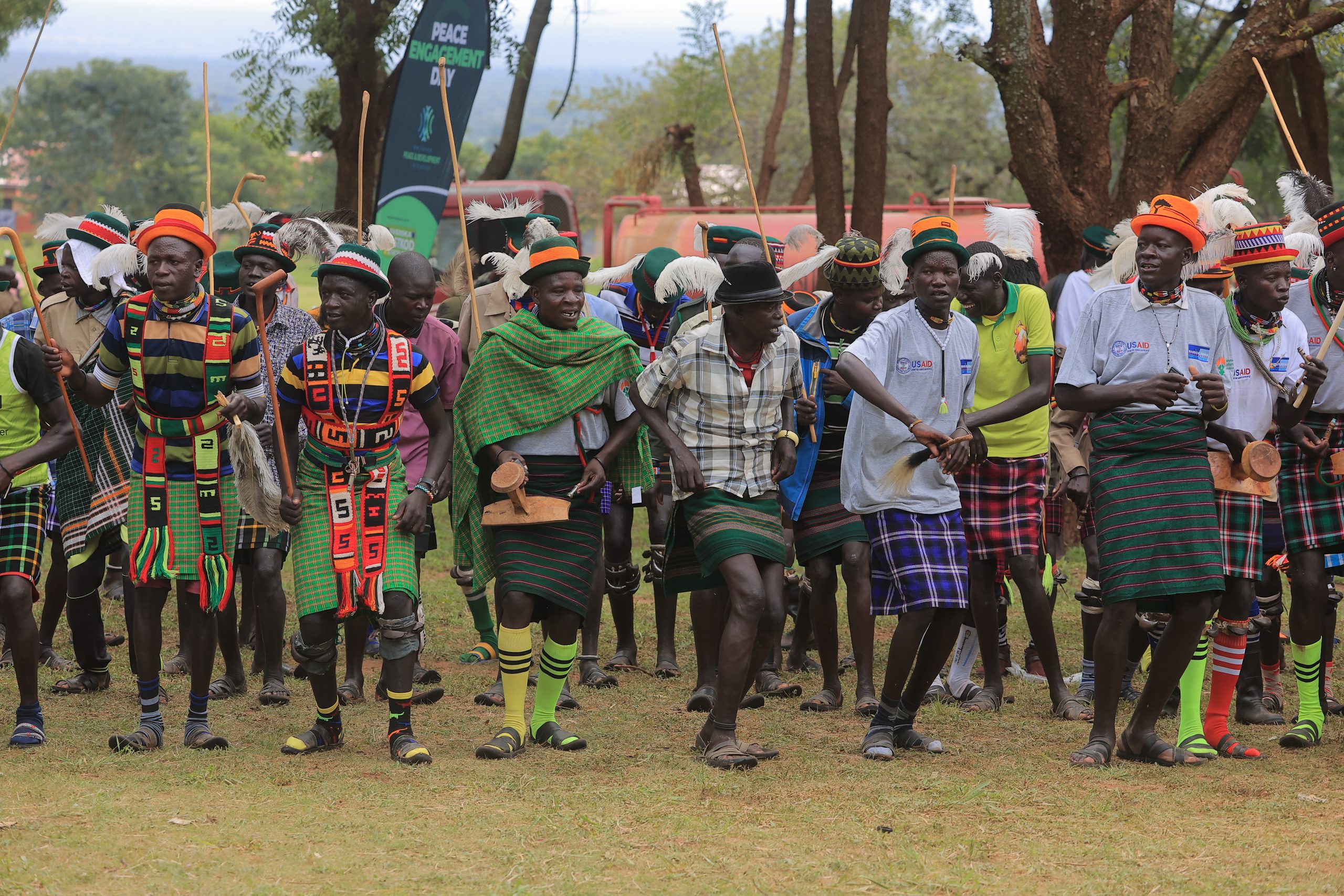
Culture Karamoja
Culture Karamoja
Karamoja Culture: Traditions, Heritage, and Living Identity in Northeastern Uganda
Karamoja is one of East Africa’s most culturally distinctive regions, an expansive, semi-arid landscape in northeastern Uganda where identity is deeply interwoven with cattle, clan, ceremony, and a resilient relationship with the land. Often reduced in casual travel narratives to stereotypes about remoteness, Karamoja is better understood as a living cultural continuum: communities adapting to modernization while maintaining forms of social organization and expressive arts that remain strikingly intact.
For travelers and researchers alike, engaging with Karamoja culture means looking beyond “performances” and toward context, how people speak, work, celebrate, mourn, and negotiate belonging. When approached with respect, cultural visits can support local livelihoods, amplify community-led storytelling, and encourage preservation of heritage without turning it into a commodity.
If you’re exploring culturally focused travel in the broader region, you may find it useful to browse Turkana Wildlife Safaris for East Africa itineraries and destination context, including Uganda-related travel planning resources: Turkana Wildlife Safaris.
Understanding Karamoja: Peoples, Place, and Identity
Karamoja is home to several related Nilotic and Ateker-speaking groups, most prominently the Karamojong (often used as an umbrella term), including sub-groups such as the Jie, Matheniko, Bokora, Pian, Tepeth, and Dodoth. While each community has distinct local practices, shared cultural foundations—particularly around pastoralism, age systems, and communal ethics create a recognizable regional identity.
Key cultural anchors include:
- Pastoral lifeways centered on cattle, goats, and seasonal mobility
- Clan and kinship structures shaping governance, marriage, and conflict resolution
- Ritual life connected to weather, fertility, protection, and social transitions
- Oral traditions preserving history, moral lessons, and identity narratives
For a wider East Africa safari context (useful when combining culture with wildlife routes), explore: East Africa safaris.
Pastoralism and the Cultural Meaning of Cattle
In Karamoja, cattle are not merely economic assets; they are repositories of status, social ties, and cultural meaning. Bridewealth, alliances, and the symbolism of prosperity often revolve around livestock. Traditional songs, praise poetry, and even personal identity can be tied to one’s herd.
Why livestock matters beyond “wealth”
- Social capital: Herd ownership influences respect and voice in communal affairs
- Ritual significance: Cattle may be central in ceremonies and blessings
- Food security: Milk, blood (in certain practices), and meat support survival in harsh seasons
- Identity: Herds are tied to lineage and reputation
This pastoral worldview is also a practical adaptation to arid and semi-arid environments—an indigenous strategy for thriving where crop agriculture can be uncertain.
Homesteads (Manyattas), Community, and Daily Life
Traditional homesteads—often referred to as manyattas—are typically enclosed compounds built for protection and communal living. They reflect an architecture of necessity: security, livestock management, and social cohesion.
Daily life in and around a manyatta includes:
- Herding routines determined by season and pasture conditions
- Food preparation emphasizing sorghum, milk, greens, and occasionally meat
- Craftwork such as beadwork and metalwork (varies by community)
- Storytelling and songs that transmit values and history
Dress, Adornment, and Aesthetics
Karamoja is renowned for striking personal adornment—beads, metal ornaments, layered necklaces, and distinctive hairstyles. While outsiders often view adornment as “decoration,” in Karamoja it can communicate:
- Age-set position or life stage
- Marital status
- Clan association
- Personal pride, artistry, and social expression
Beadwork as visual language
Beads can encode meaning through:
- Color combinations
- Pattern repetition (or deliberate asymmetry)
- Placement on the body
These aesthetics are not static; they evolve, absorbing new materials and influences while maintaining cultural logic.
Music, Dance, and the Social Power of Performance
Song and dance in Karamoja are not just entertainment; they are social instruments. Gatherings can include competitive dance, call-and-response singing, and rhythmic movement that reinforces unity and shared emotion.
Common functions of music and dance include:
- Celebrating community milestones
- Building collective morale in harsh seasons
- Communicating praise, critique, or advice through lyrics
- Courting and social bonding
If you are planning a culture-and-nature itinerary in the broader region and want a grounding in safari logistics, see: Safari packages.
Age Sets, Elders, and Social Organization
Many Karamoja societies have structures that elevate the role of elders and organize community responsibilities through age-based systems. Elders may act as moral authorities, mediators, and guardians of ritual knowledge.
Roles frequently associated with elders
- Conflict resolution and reconciliation
- Stewardship of communal norms
- Guiding rites of passage
- Decision-making around grazing, settlement, and alliances
While modernization, education, and state governance have introduced new power centers, elder authority remains culturally significant in many settings.
Marriage, Family, and Kinship Responsibilities
Marriage practices vary among groups, but kinship responsibilities tend to be collective rather than purely individual. Bridewealth traditions—often linked to livestock—can be central, reflecting not “purchase,” but the formalization of bonds between families and lineages.
Important cultural dynamics include:
- Extended-family participation in major decisions
- Emphasis on respect and reciprocal support
- Community roles in dispute mediation
For travelers, it’s essential not to treat family life as “display.” Ethical cultural engagement means seeking consent, avoiding intrusive photography, and supporting community-led initiatives.
Spirituality, Belief, and Relationship to the Land
Karamoja spiritual life is diverse and can include indigenous belief systems alongside Christianity and other influences. Land and weather often carry sacred significance, and rituals may address:
- Rain and drought
- Fertility (human and livestock)
- Protection from misfortune
- Healing and reconciliation
Understanding spirituality in Karamoja requires nuance: beliefs may be practiced quietly and privately, and some knowledge is restricted to certain community members.
Cultural Tourism in Karamoja: How to Engage Respectfully
Cultural tourism can be beneficial when it is community-led, transparent, and fair. It becomes harmful when it turns people into spectacles or extracts stories without reciprocity.
Ethical guidelines for visitors
- Ask before photographing people, homes, or ceremonies
- Use local guides and pay agreed fees transparently
- Avoid “poverty tourism” narratives
- Learn basic cultural etiquette and greetings
- Purchase crafts directly (when appropriate) to support artisans
For broader planning and travel reading, you can explore: Turkana Wildlife Safaris blog/resources (or share the exact link you prefer from their site and I’ll insert it accurately).
Suggested Cultural Highlights (Karamoja-Focused)
Depending on access, season, and local permissions, culturally meaningful experiences can include:
- Guided community walks explaining plants, grazing logic, and homestead design
- Storytelling sessions led by elders (with translation)
- Demonstrations of craft traditions (beadwork, metalwork, instruments)
- Attendance at public dance gatherings (where visitors are welcome)
Tip: Always prioritize experiences facilitated by local organizations or trusted operators with community agreements.
FAQ: Karamoja Culture
1) Is Karamoja safe to visit?
Safety conditions vary by area and time. It’s best to consult updated local guidance, travel advisories, and reputable operators with current on-the-ground networks.
2) What is the most respectful way to take photos?
Ask permission first, explain how the photos will be used, and respect “no.” Avoid photographing sensitive moments (medical issues, private rituals, grief).
3) What should I wear when visiting communities?
Choose modest, practical clothing suitable for heat and dust. Avoid overly revealing outfits; neutral tones are often best for travel comfort.
4) Are cultural performances “authentic”?
Some dances and songs are performed for visitors, but that doesn’t automatically make them inauthentic. Authenticity depends on community control, fair compensation, and cultural context.
5) How can tourism support communities in Karamoja?
By hiring local guides, paying fair fees, purchasing crafts ethically, staying in community-benefiting lodges, and avoiding exploitative bargaining or intrusive behavior.